
What Causes a Coolant Expansion Tank to Crack?
You open the hood and notice a wet line down the side of the coolant reservoir. The tank itself looks fine from a distance, but there is dried residue around the seam, and the coolant level keeps dropping. Plastic coolant tanks take years of heat and pressure, then sometimes split in a place that is easy to overlook.
A small crack is enough to leave the cooling system short on coolant.
What the Coolant Expansion Tank Does
As coolant heats up, it expands. A cooling system needs room to manage that change in volume without losing fluid every time the engine reaches operating temperature. Depending on the vehicle, an expansion tank is part of the pressurized cooling circuit, while other designs use a separate overflow reservoir.
A pressurized expansion tank has to tolerate hot coolant, repeated pressure changes, and vibration. Some tanks have molded seams, hose fittings, sensors, and narrow plastic necks where the cap attaches. A tank can look completely normal when the engine is cold, then begin seeping once everything heats up and pressure rises.
Heat Cycling and Cracks in the Plastic Coolant Reservoir
Plastic coolant tanks spend their lives heating up and cooling down. Every drive expands the material a little, and every shutdown lets it contract. After thousands of heat cycles, the plastic loses flexibility and tiny cracks begin forming around stressed areas.
The seam joining two molded sections is one place to look. Another is the fitting where a hose connects or the small return nipple near the top. A hose that pulls sideways because of tight routing puts constant stress on the plastic fitting. By the time the crack opens enough to spray coolant, the tank has been weakening for months.
Check for these signs of a coolant expansion tank beginning to fail:
- Dried coolant along the plastic tank seam
- Hairline cracks near the hose connections
- A sweet smell after parking
- Repeated low coolant warnings
- Wet residue around the reservoir cap
The tank may look dry after the engine cools, so the residue's location matters.
Excess Cooling System Pressure and Expansion Tank Failure
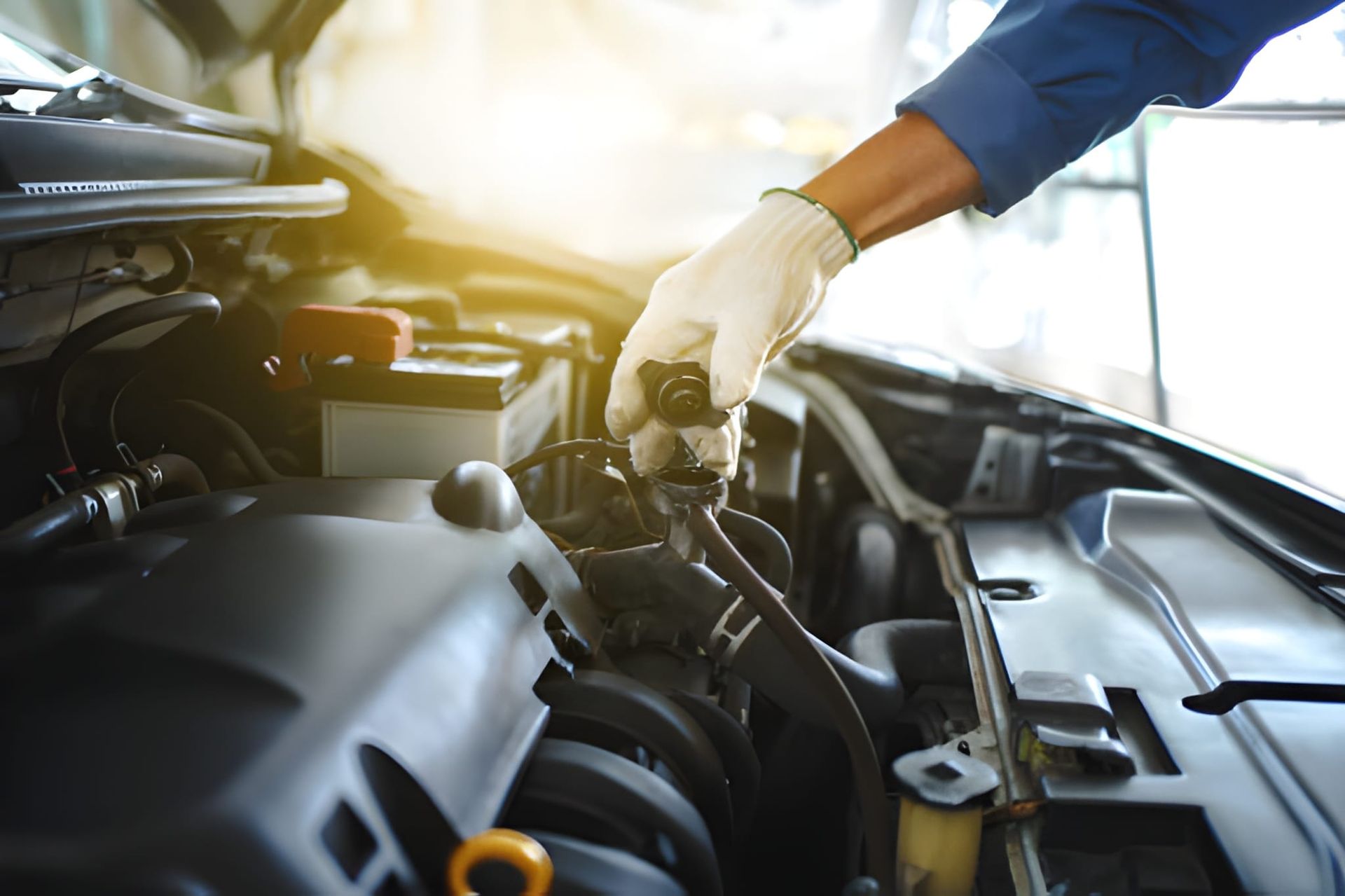
The pressure cap is a controlled valve, not just a lid. On systems that use a pressurized tank, the cap helps maintain the proper operating pressure and releases excess pressure when required. A cap that no longer regulates pressure correctly can place added strain on plastic parts, hoses, and radiator connections.
An overheating engine sometimes drives pressure higher too. A stuck thermostat, cooling fan problem, or restricted circulation can push an older tank past its limit. In some cases, combustion gas entering the cooling system because of an engine problem creates abnormal pressure. We don't assume that's happening just because a tank cracked. But when a replacement tank fails again, or hoses become unusually hard soon after startup, system pressure needs a closer look before installing more plastic parts.
Coolant Loss, Air Pockets, and Engine Overheating
Once a crack forms, coolant begins escaping. If the engine then overheats, that added heat and pressure can enlarge the original crack or damage other aging components.
Drivers sometimes add coolant every few days and keep driving because the car appears to run normally between top-offs. That approach carries risk. Air can enter as coolant is lost, and hot spots sometimes develop before the gauge gives much warning. If the temperature climbs, steam escapes, or a low-coolant warning appears, the cause should be investigated promptly. Never unscrew a hot pressurized cap. The liquid inside can erupt and cause severe burns.
Coolant Hose Stress and Expansion Tank Installation Damage
Not every cracked tank is simply old. Incorrect mounting, missing rubber isolators, overtightened fasteners, or hoses pulling against plastic connections can shorten the life of a replacement tank. Even a small amount of movement can eventually work on a molded fitting as the engine vibrates.
Coolant compatibility deserves attention as well. Different vehicles need specific coolant chemistries. Mixing incompatible products creates deposits and sometimes leads to material problems elsewhere in the cooling system. That doesn't mean every coolant color mismatch cracks a reservoir, but using the correct fluid is part of a reliable repair. We check the nearby hoses, clips, and cap so the new tank isn't installed into the same conditions that damaged the old one.
Why a Cracked Coolant Expansion Tank Needs Replacement
A plastic tank leak often looks small enough to seal with epoxy. The trouble is that a pressurized coolant tank has to handle heat, pressure, and expansion repeatedly. A patch that holds in the driveway remains unreliable once the cooling system heats up and builds pressure on the road.
Pour-in stop-leak products introduce another concern. They leave deposits in narrow cooling passages, heater cores, or other parts of the system. Replacing the cracked tank is a reliable repair. Replacing the tank is usually straightforward, but the cooling system still needs the correct fill procedure, bleeding when required, and a pressure test for other leaks. Otherwise, the new tank is often blamed when the coolant level continues falling for a different reason.
How Our Technicians Pressure-Test the Cooling System
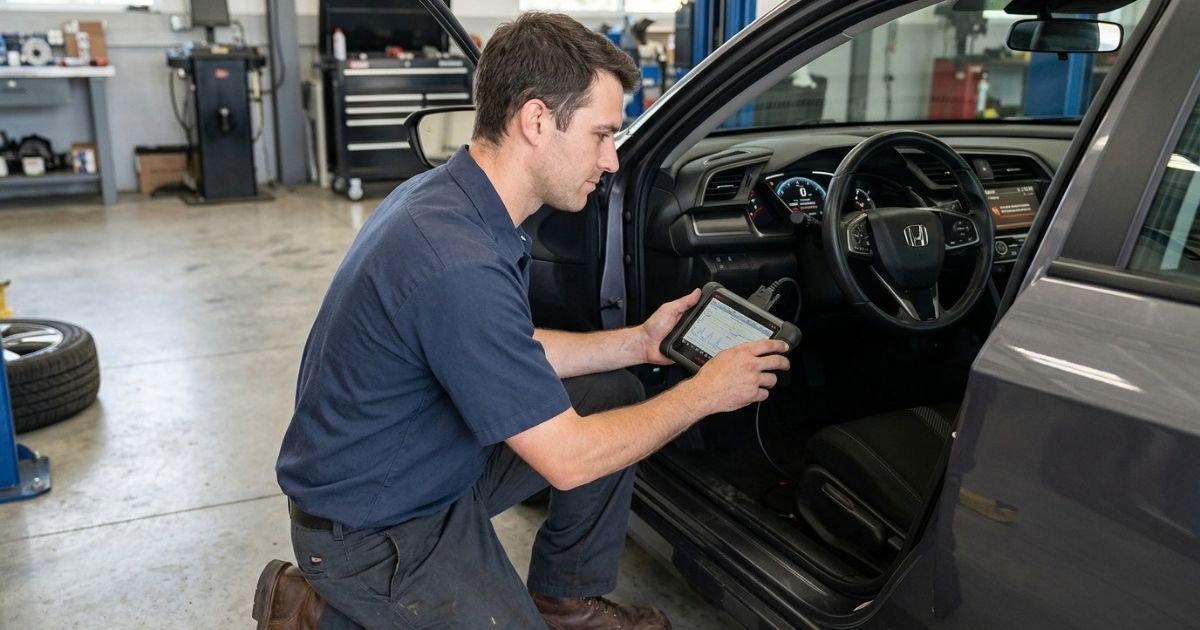
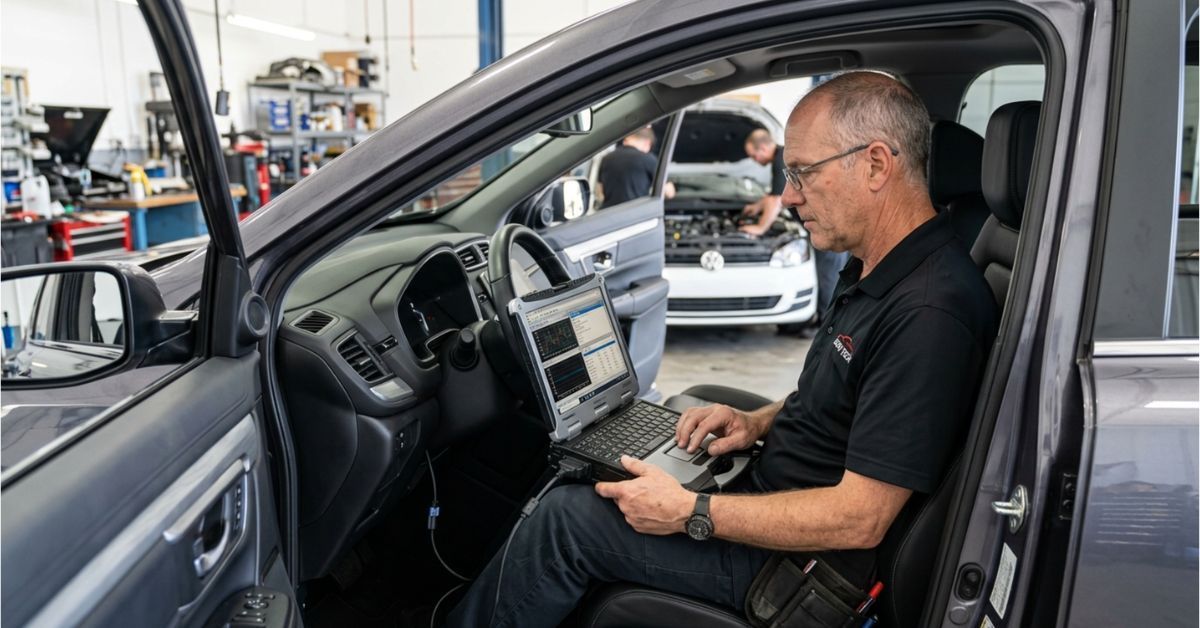
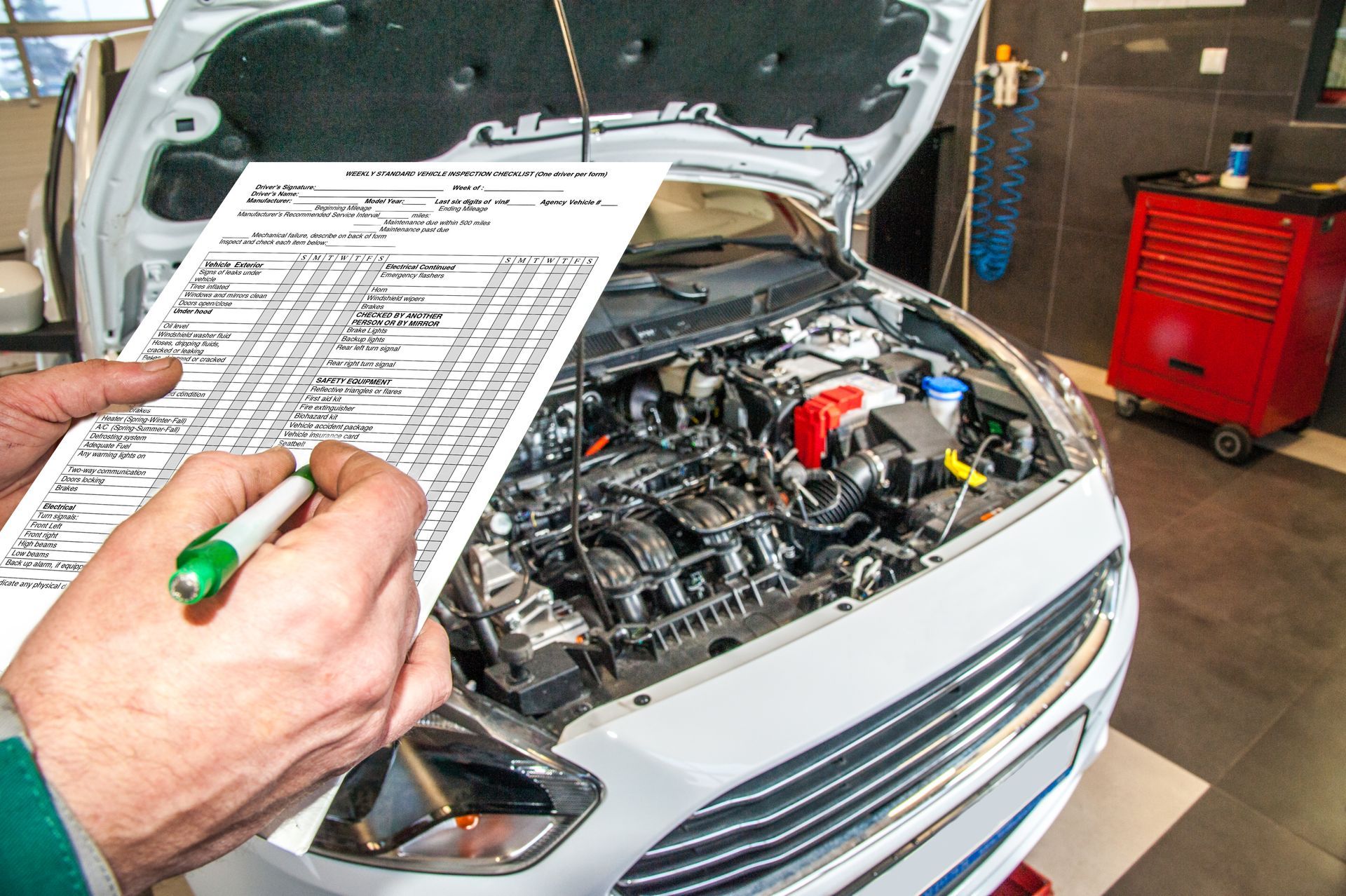
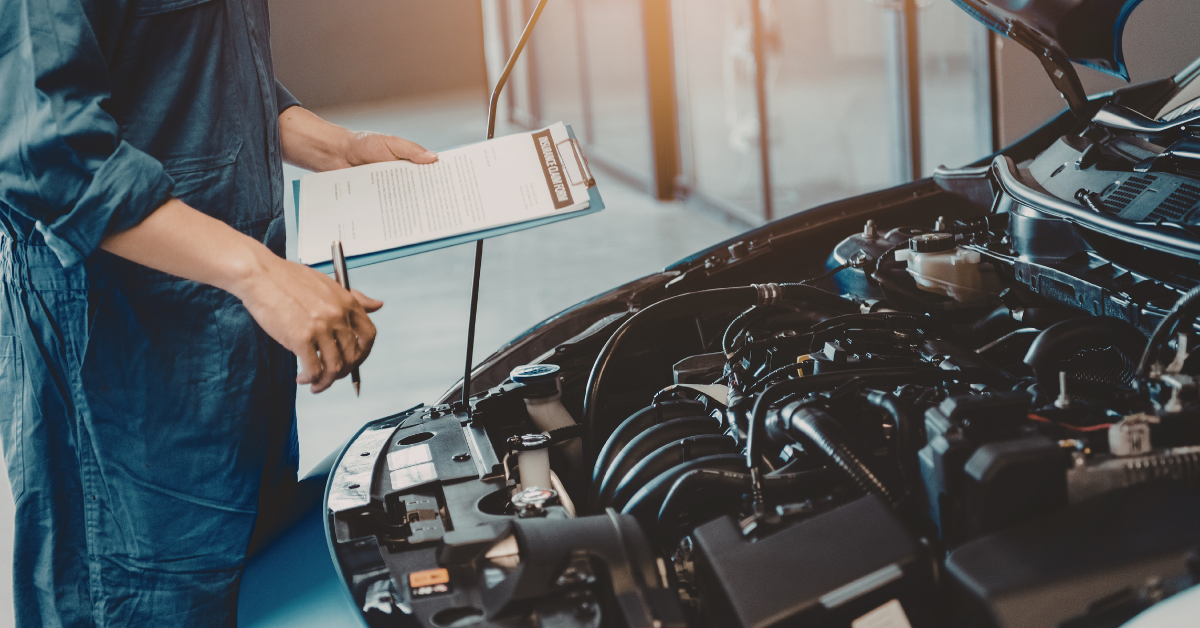
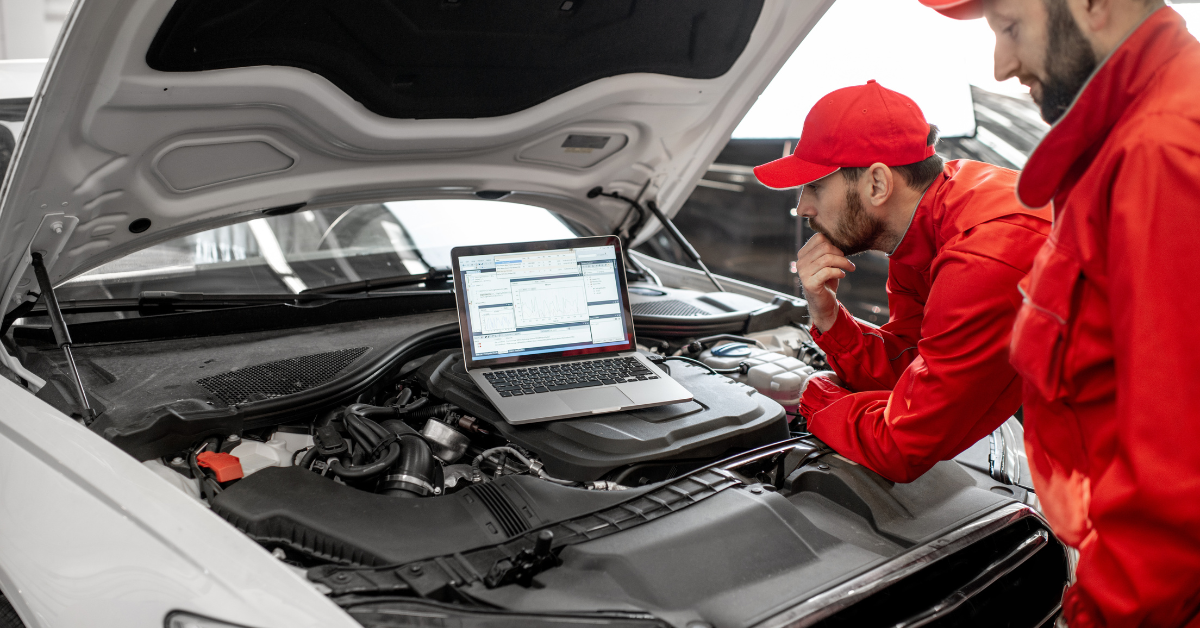
We examine the tank body, seams, neck, cap, level sensor seal, and hose connections for fresh coolant and dried residue. A cooling system pressure test helps bring out leaks that don't show while the engine is cold. We check fan operation, thermostat behavior, actual engine temperature, and signs that pressure has been excessive.
If the engine has overheated repeatedly, we look beyond the visible crack. The radiator, water pump, and other plastic cooling components have been exposed to the same heat and age.
Get Coolant Expansion Tank Repair in Campbell, CA, With Autotrend Auto Repair
Autotrend Auto Repair in Campbell, CA, inspects coolant expansion tanks, pressure caps, hoses, and the rest of the cooling system for leaks or excess pressure.
Have the cracked tank inspected before another coolant loss leaves the engine running hot.