
Why Your Car Might Be Pulling or Riding Rough and How Diagnostics Can Fix It
You know how your vehicle normally feels. So when the steering wheel starts tugging to one side, every bump suddenly feels sharper, or the vehicle seems less settled on the highway, it is hard not to wonder what changed. For families who rely on vehicles like a Toyota Highlander, Honda Pilot, Subaru, or Toyota RAV4 for commuting, school runs, and everyday errands, even a small handling change can become frustrating quickly. More importantly, a car pulling to one side or riding rough may be telling you that something in the tires, steering, suspension, brakes, or alignment needs attention.
The important part is not guessing which part has failed. At Autotrend Auto Repair, we believe the right approach is to inspect and test the vehicle first. Once the cause is clear, you can make an informed repair decision instead of replacing parts that may still be perfectly good.
Why Is My Car Pulling to One Side?
A car pulling to one side is one of those symptoms that sounds simple but can have several different causes. Wheel alignment is often the first thing drivers think about, and alignment can certainly be part of the problem. Hitting potholes, curbs, or rough pavement can change alignment angles and affect how the vehicle tracks down the road. But alignment is not the only possibility.
Uneven tire pressure, abnormal tire wear, a damaged tire, worn suspension parts, loose steering components, or even a brake that is not releasing correctly can make a vehicle drift or pull. That is why simply scheduling an alignment without inspecting the rest of the vehicle may not solve the concern. If your Toyota Highlander or RAV4 suddenly starts drifting right, for example, a technician should first look at tire condition, steering components, suspension wear, and braking behavior before deciding what adjustment or repair is actually needed. Our steering and suspension service in Campbell focuses on identifying the source of handling problems before repairs are recommended.
What Causes a Rough or Bouncy Ride?
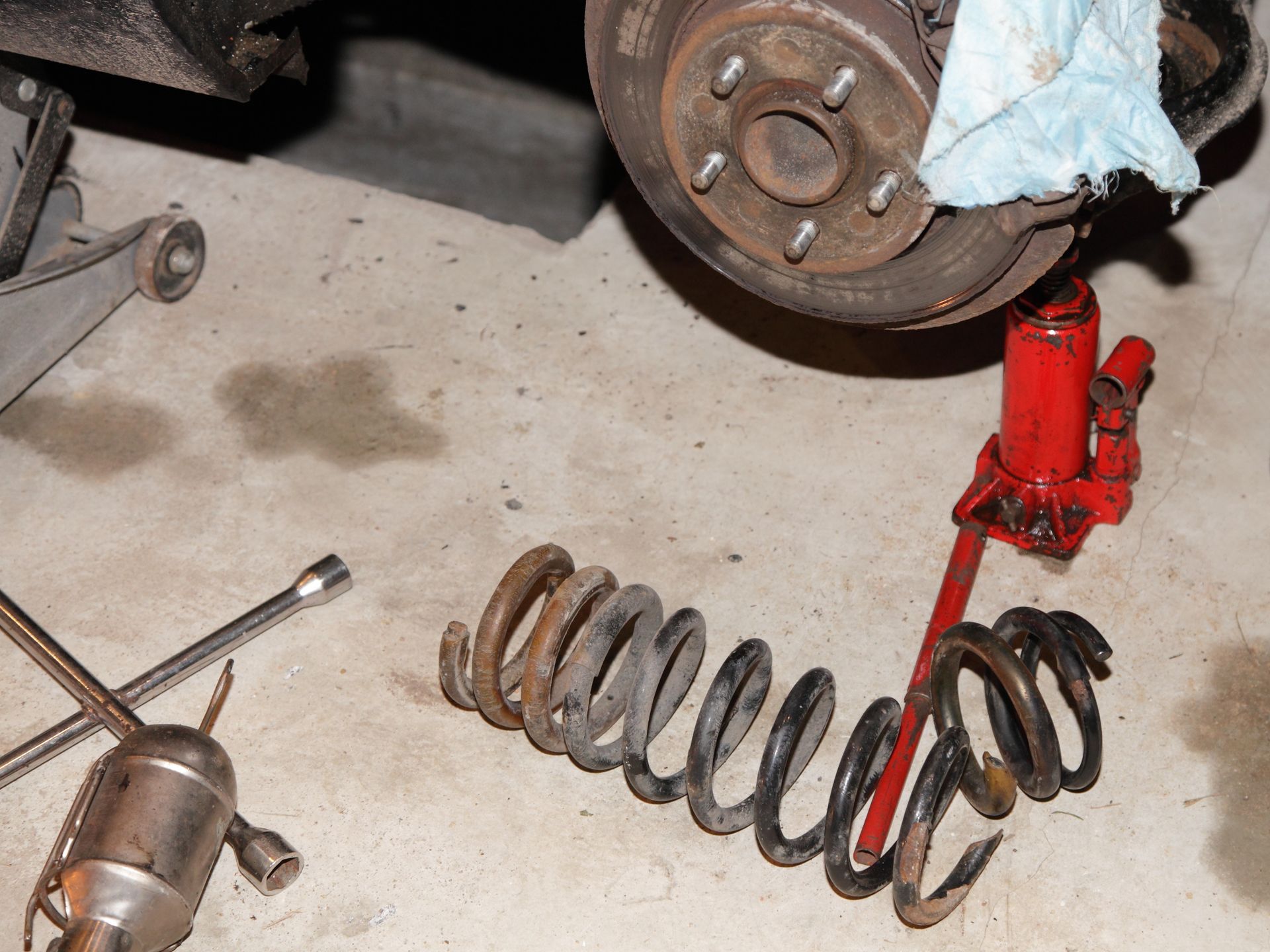
A rough ride often develops slowly. You may first notice that bumps feel sharper than they used to. The vehicle may continue bouncing after crossing a dip, feel unsettled on uneven pavement, or lean more than expected when turning. Shocks and struts are common suspects, but they are only part of the suspension system. Control arms, bushings, ball joints, springs, sway bar components, wheel bearings, and tires can all influence how smoothly and predictably a vehicle rides.
A worn bushing may create movement where there should not be any. Weak shocks or struts may allow excessive bouncing. A damaged tire can create vibration that feels surprisingly similar to a suspension problem. Even tire pressure can change ride quality. This is why a rough ride should be inspected as a complete vehicle concern rather than treated as an automatic shock or strut replacement.
Pay Attention to Steering Changes
The steering system and suspension work closely together. When one system develops wear, the driver may feel it through the steering wheel. You might notice that the steering feels loose, requires constant correction, becomes unusually stiff, or does not return to center normally after a turn. Clunking or knocking while turning can also indicate wear. Possible causes include tie rods, ball joints, steering rack components, power steering parts, suspension bushings, or other related components.
Modern vehicles may use hydraulic or electronic power steering systems, so accurate steering diagnosis depends on knowing how that specific vehicle is designed. A Subaru with unusual steering feedback, for example, should not automatically receive the same repair recommendation as a Honda Pilot with similar symptoms. The symptom may feel similar from the driver's seat while the underlying cause is completely different.
Could the Tires Be Causing the Problem?
Tires play a bigger role in ride quality and steering than many drivers realize. If one tire has significantly lower pressure than the others, the vehicle may pull. Uneven tread wear can also affect tracking, vibration, braking, and overall stability. A tire that has developed internal damage may create a shake or rough feeling even when the suspension itself is in good condition.
Before replacing steering or suspension components, tire pressure, tread depth, wear patterns, and general tire condition should be checked. Wear patterns can also provide useful clues. If the inside or outside edges of the tires are wearing unusually fast, alignment or suspension geometry may need attention. Cupping or irregular wear may indicate a combination of tire, suspension, balance, or alignment concerns. The tire itself may be showing the symptom, while another component is creating the problem.
Brakes Can Make a Vehicle Pull Too
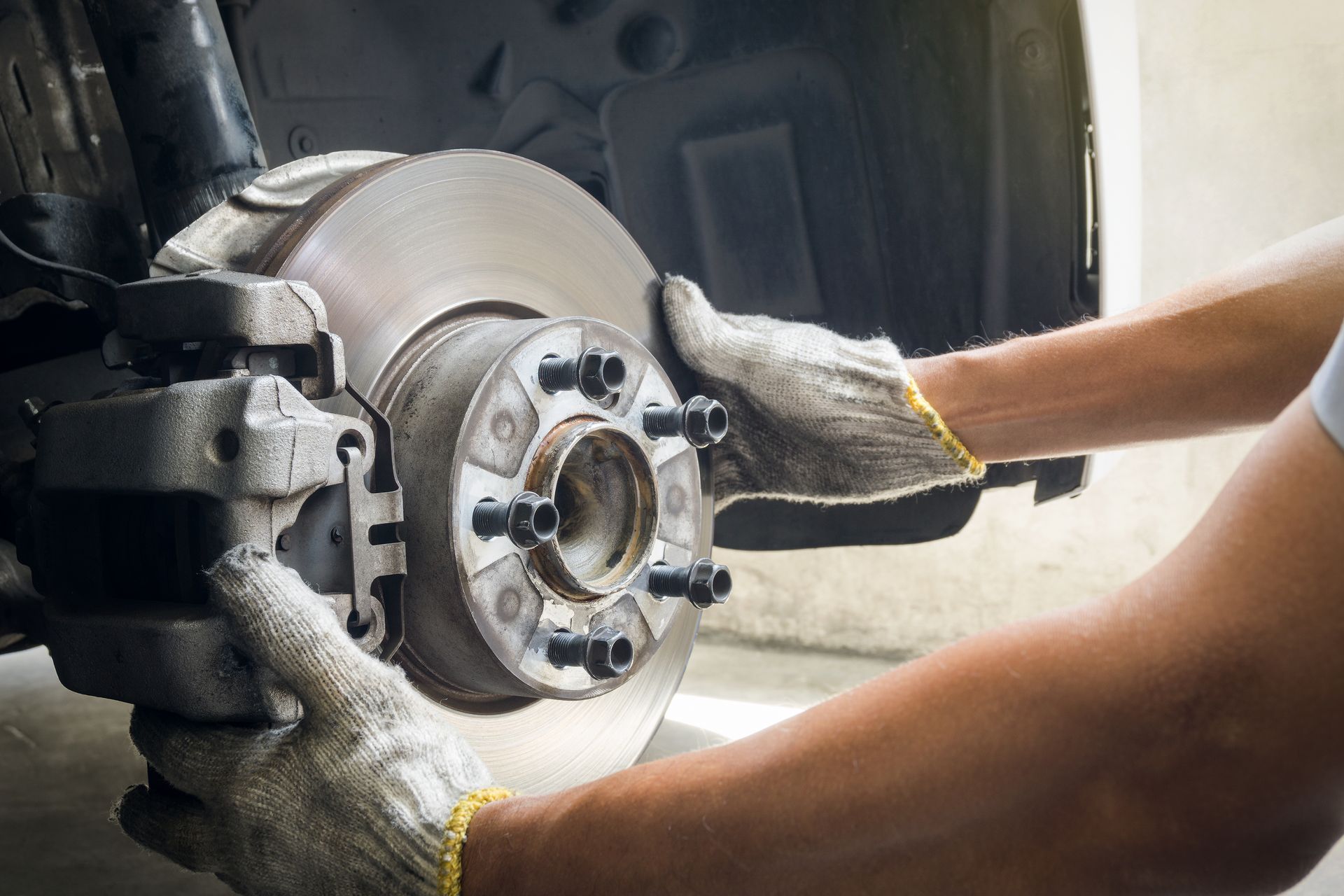
Not every pulling problem begins with steering or alignment. If your vehicle pulls mainly while braking, the braking system deserves a closer look. A sticking caliper, uneven brake pad wear, rotor concerns, or another brake problem can create uneven braking force between the left and right sides of the vehicle.
You may also notice vibration through the steering wheel or brake pedal, unusual brake noise, increased stopping distance, or a burning smell near one wheel. Autotrend Auto Repair provides brake service and diagnostics in Campbell to help determine whether a braking issue is contributing to the pulling sensation. This is another good example of why symptoms should be tested before an alignment or suspension repair is performed.
Why Alignment Alone May Not Fix the Problem
A wheel alignment adjusts specific angles so the tires meet the road correctly and the vehicle tracks as designed. It can make a noticeable difference when alignment is actually the problem. But alignment cannot repair a worn ball joint, loose tie rod, weak bushing, damaged tire, or failing suspension component.
If worn parts allow the wheel to move out of position while driving, performing an alignment first may not provide a lasting result. That is why steering and suspension evaluation should come before or alongside alignment when a vehicle is pulling, wandering, or showing abnormal tire wear. The goal is not simply to make the steering wheel appear straight. It is to understand why the vehicle stopped tracking correctly in the first place.
How Proper Diagnostics Find the Real Cause
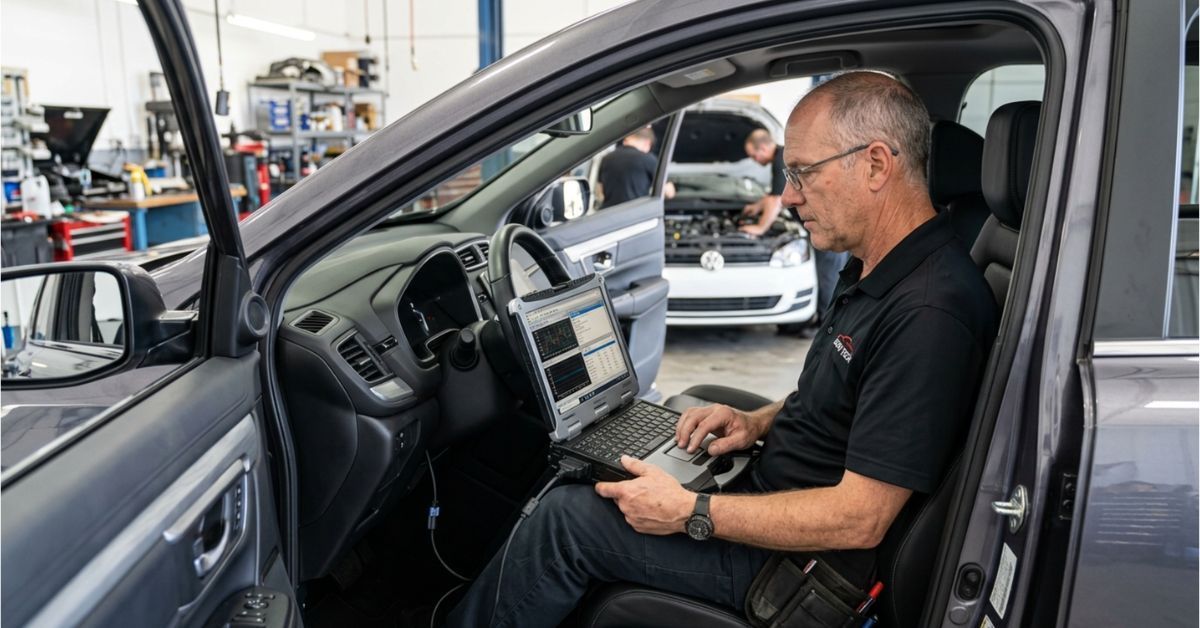
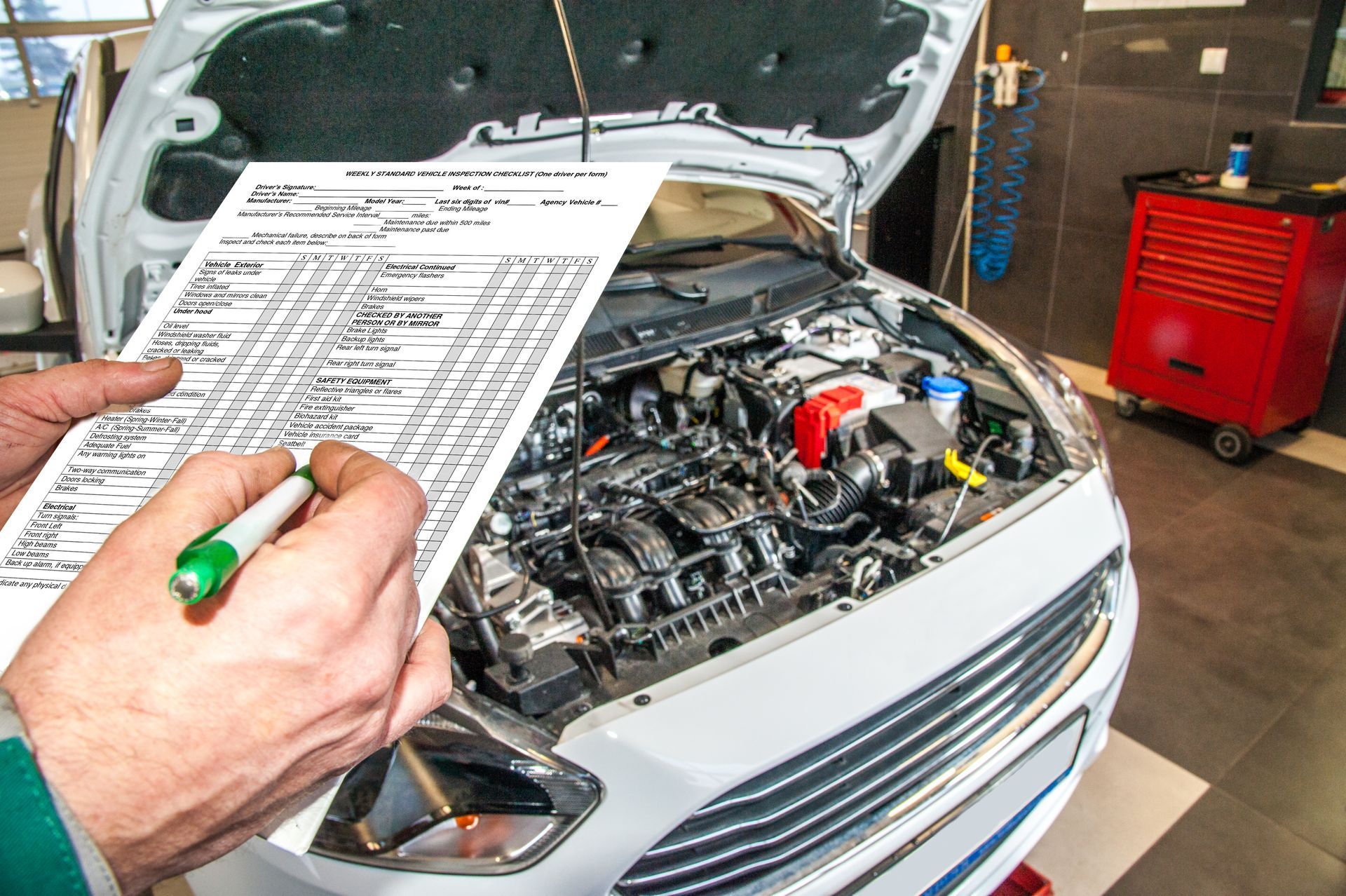
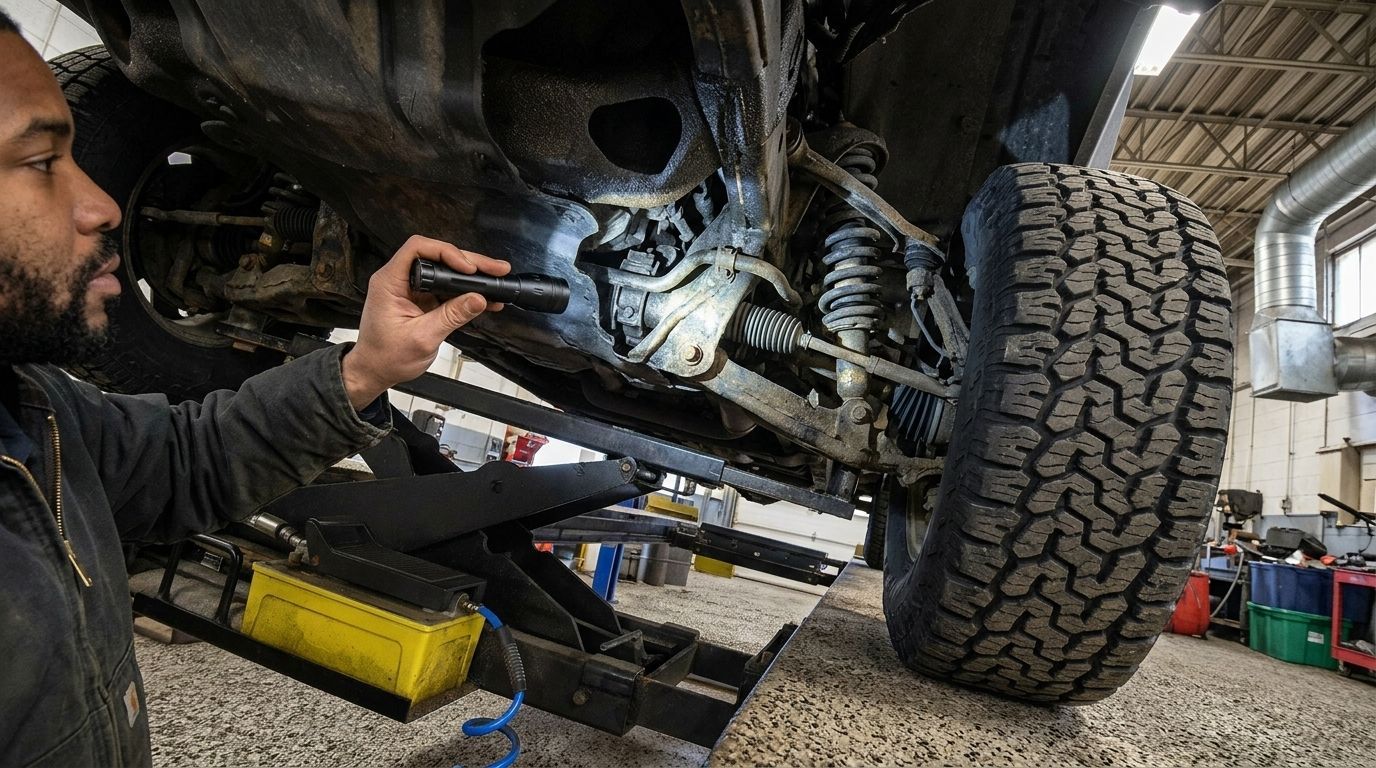
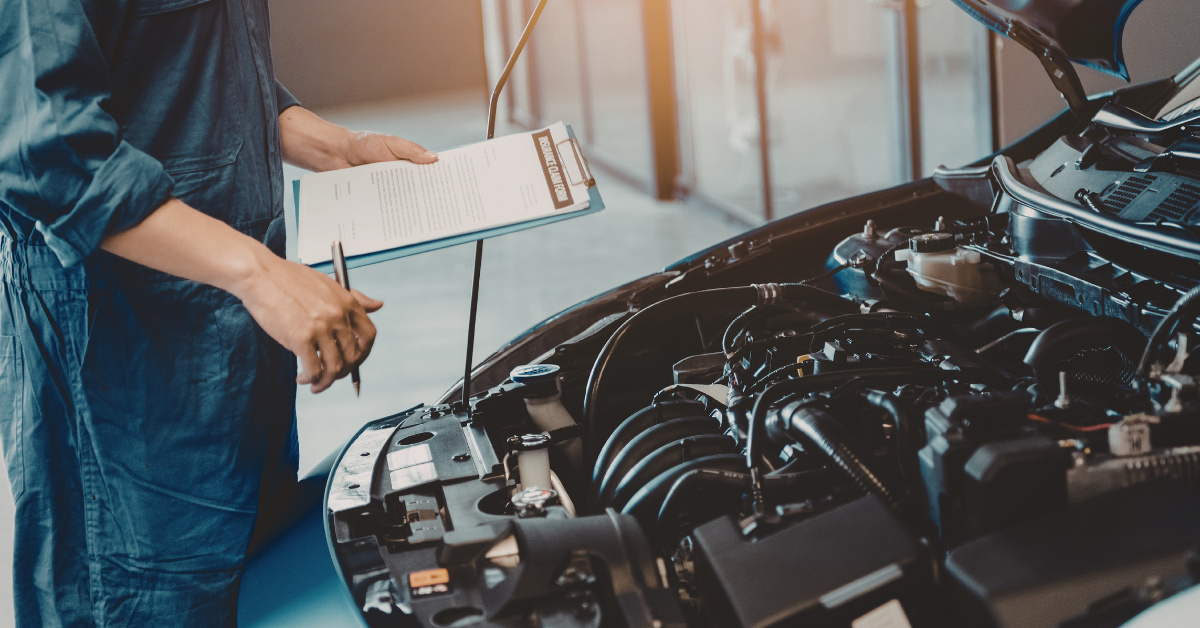
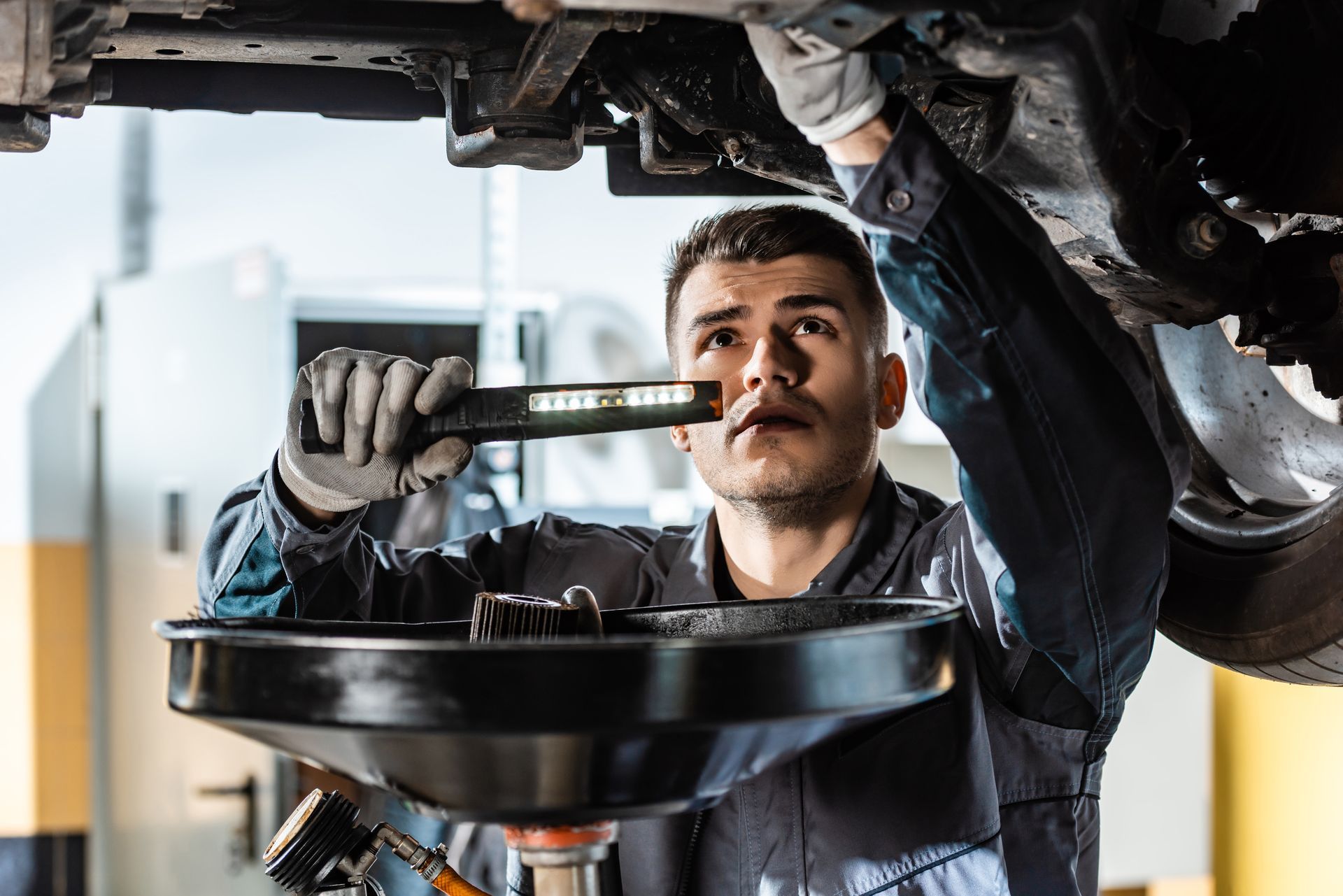
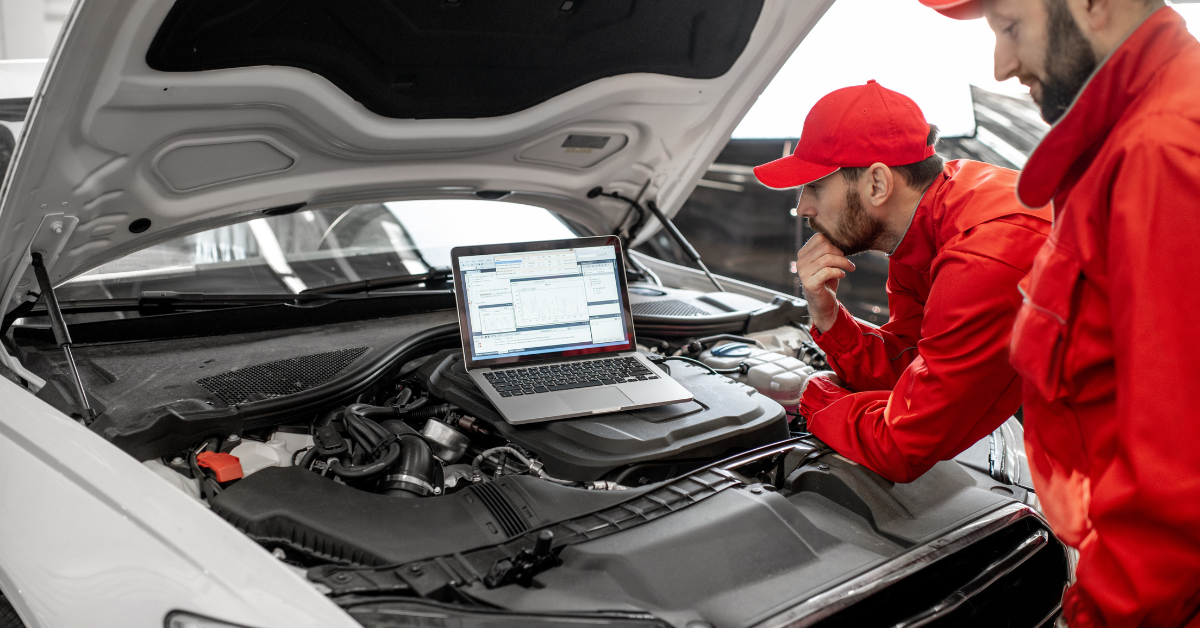
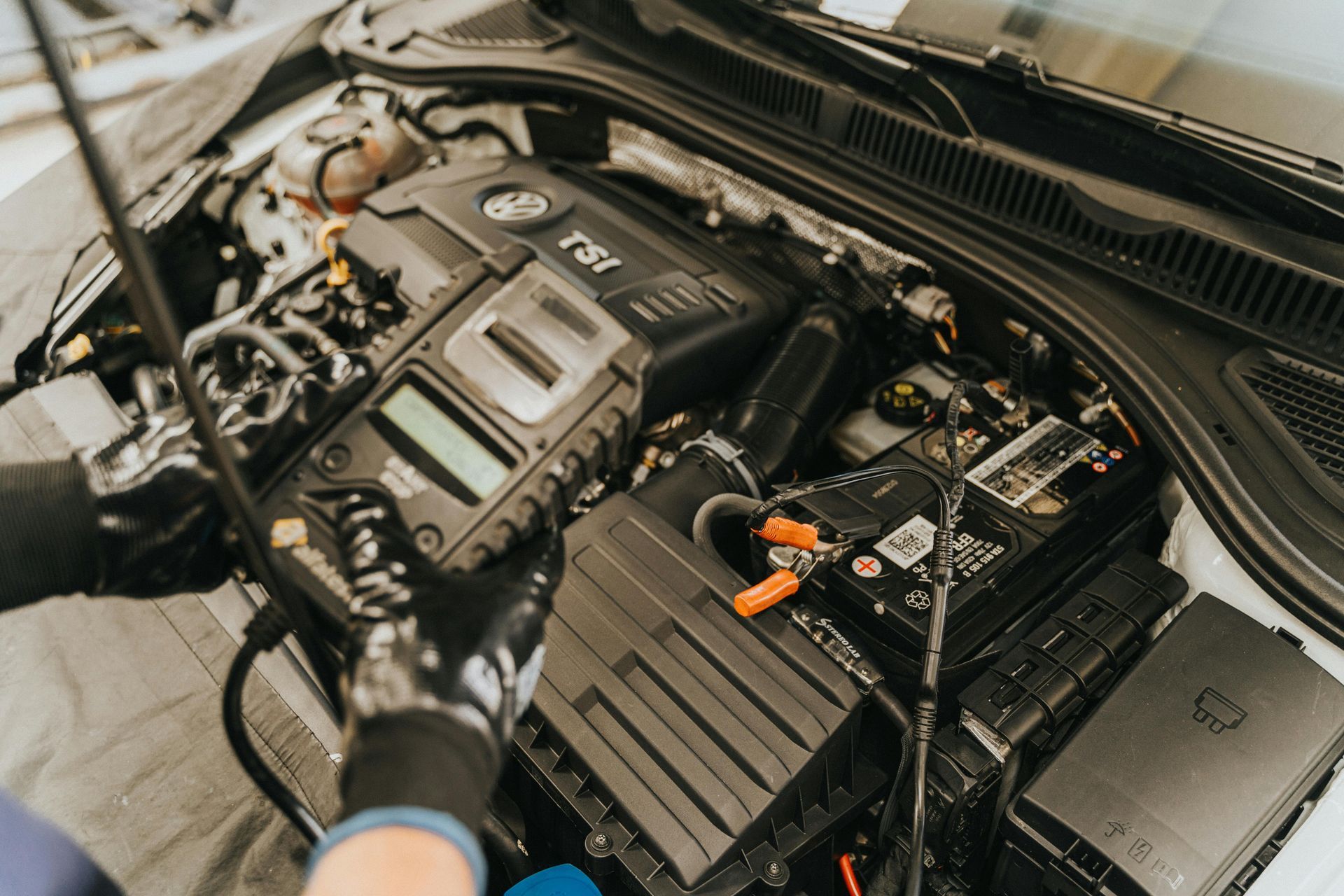
Good automotive diagnostics involve more than connecting a scan tool. For steering and suspension concerns, diagnosis may include a road test, tire inspection, steering checks, suspension inspection, brake evaluation, and measurements when needed. What the technician feels during a road test can help narrow down when the problem occurs. Does the vehicle pull all the time? Only during braking? Only under acceleration? Does the vibration change with vehicle speed? Those details matter. From there, the technician can inspect components for looseness, damage, leakage, abnormal movement, or wear.
Autotrend Auto Repair uses current diagnostic methods and equipment to help pinpoint vehicle concerns rather than relying on assumptions. You can explore the shop's broader auto repair services to see the range of systems the team evaluates and repairs. Accurate diagnostics help you understand what actually needs attention and what does not.
What Happens if Suspension Wear Is Ignored?
Suspension and steering wear usually does not improve on its own. A vehicle that initially feels slightly loose may gradually become harder to control. Tire wear can accelerate. Steering response may become less predictable, and braking stability can be affected. A worn component can also place additional stress on surrounding parts.
For example, continuing to drive with suspension problems may contribute to uneven tire wear. By the time the original issue is repaired, the tires may also need replacement. The reason to address a rough ride or car pulling to one side is not to assume something dangerous is about to happen. It is to find out what is changing before the problem becomes more involved or expensive.
Why This Matters for Family Commuters
SUVs and crossovers such as the Highlander, Pilot, RAV4, and many Subaru models are commonly used for daily family transportation. They carry passengers, groceries, sports equipment, work gear, and everything else that comes with daily life. Because suspension wear often develops gradually, drivers can adapt to changes without realizing how different the vehicle feels compared with when everything was working properly.
Having steering and suspension concerns inspected can restore more than ride comfort. It can improve steering confidence, tire contact with the road, and the predictable handling you expect during everyday driving. Autotrend Auto Repair has served drivers in Campbell and the surrounding community for decades with an emphasis on customer education and informed repair decisions. You can learn more about that approach on the shop's About Autotrend Auto Repair page.
Frequently Asked Questions
Why is my car pulling to one side while driving?
Possible causes include wheel alignment, unequal tire pressure, uneven tire wear, worn steering or suspension parts, or certain brake problems. An inspection is the best way to determine which issue is actually responsible.
Can bad shocks or struts make my car ride rough?
Yes. Worn shocks or struts can reduce the suspension's ability to control movement after bumps. However, tires, bushings, springs, control arms, and other suspension components can create similar symptoms, so the system should be inspected before parts are replaced.
Does a car pulling to one side always need an alignment?
No. Alignment is one possible cause, but tire problems, suspension wear, steering components, or brake issues can also cause pulling. Those areas should be checked before assuming alignment will solve the problem.
Why does my vehicle pull only when I brake?
Pulling during braking may point toward uneven braking force caused by a caliper, brake pad, rotor, or another brake-system issue. Steering, suspension, and tire condition may also need to be checked.
Can worn suspension parts damage my tires?
Yes. Suspension wear can change how the tires contact the road and may contribute to uneven or accelerated tread wear. Addressing the underlying suspension or alignment issue can help prevent the same wear pattern from continuing.
When should I have my steering and suspension inspected?
Schedule an evaluation if you notice pulling, wandering, excessive bouncing, clunking, steering looseness, unusual vibration, uneven tire wear, or a noticeable change in ride quality. Getting the problem checked early can help prevent additional wear and unnecessary repairs.
Get Your Vehicle Driving Like It Should Again
If your Highlander, Pilot, Subaru, RAV4, or daily commuter is pulling, bouncing, wandering, or simply does not feel right anymore, do not start replacing parts based on a guess. Let Autotrend Auto Repair inspect the steering, suspension, tires, alignment-related components, and brakes to find the real cause.