
How to read your digital inspection report
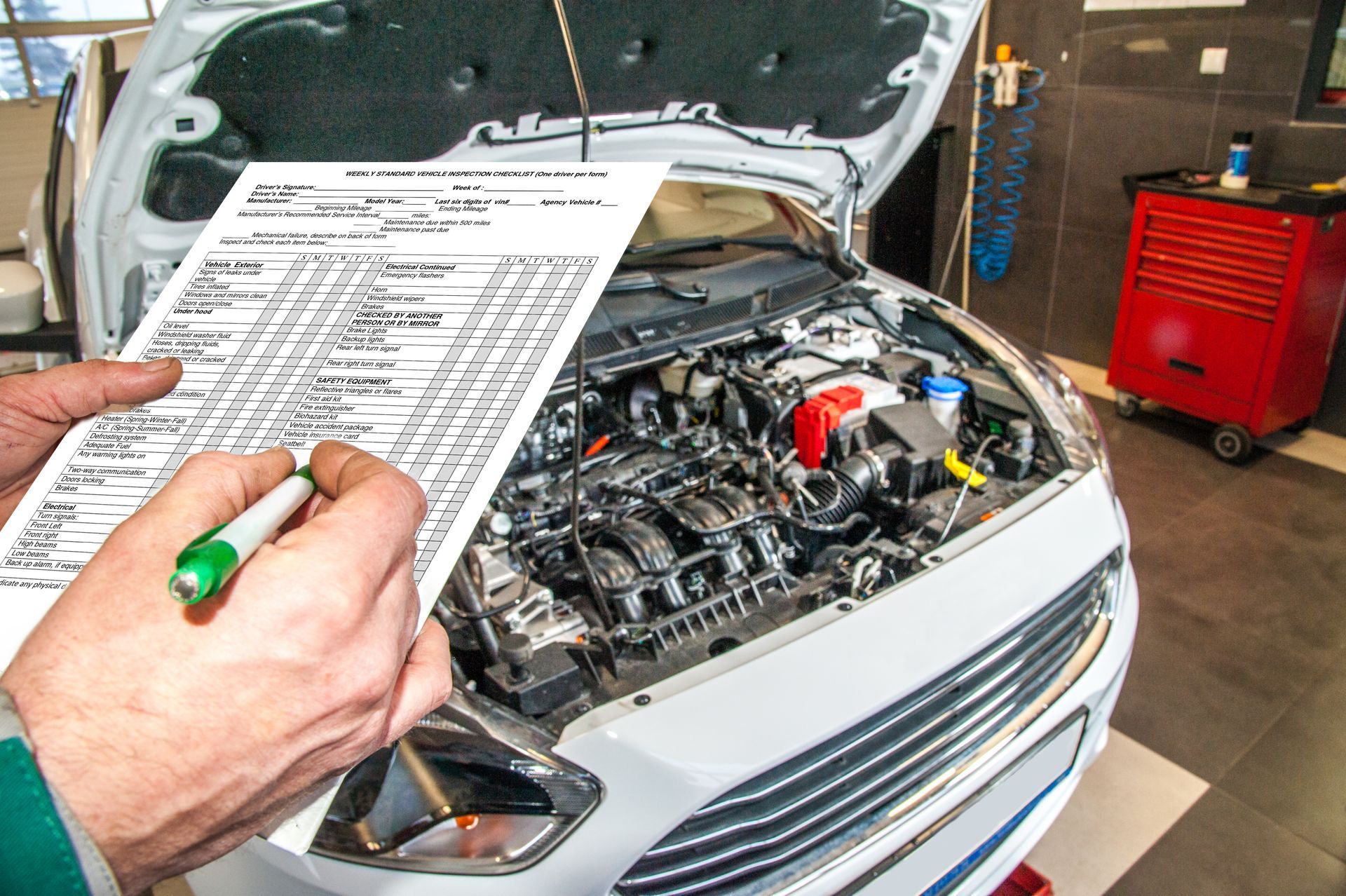
A digital inspection report is 3 things in one: photos of your car, a list of what the technician found, and an itemized quote for the work. Read it in that order. The photos tell you whether a line item is real. The quote tells you what acting on it involves. At Autotrend Auto Repair in Campbell, you see the photos and the itemized quote before you approve anything.
Most people open the report, scroll to the total, and feel cornered. You don't have to. The report is built to be argued with, and every line on it is a separate decision you get to make.
What is actually in the report?
3 parts, and each one does a different job. Knowing which part you're looking at is most of the skill.
- The photos. Whether a finding is real, and how far along it is. This is evidence you can look at yourself.
- The findings list. What was checked and what was noticed. A finding is an observation, not yet a job.
- The itemized quote. Which findings have been turned into proposed work, broken out line by line.
A finding and a line item aren't the same thing. Plenty of findings are recorded so somebody can watch them, and never become work at all. If something is on the findings list but not on the quote, that usually means we're noting it, not selling it.
What do the photos actually show you?
A photo turns a claim into something you can check. That's the whole point of sending it.
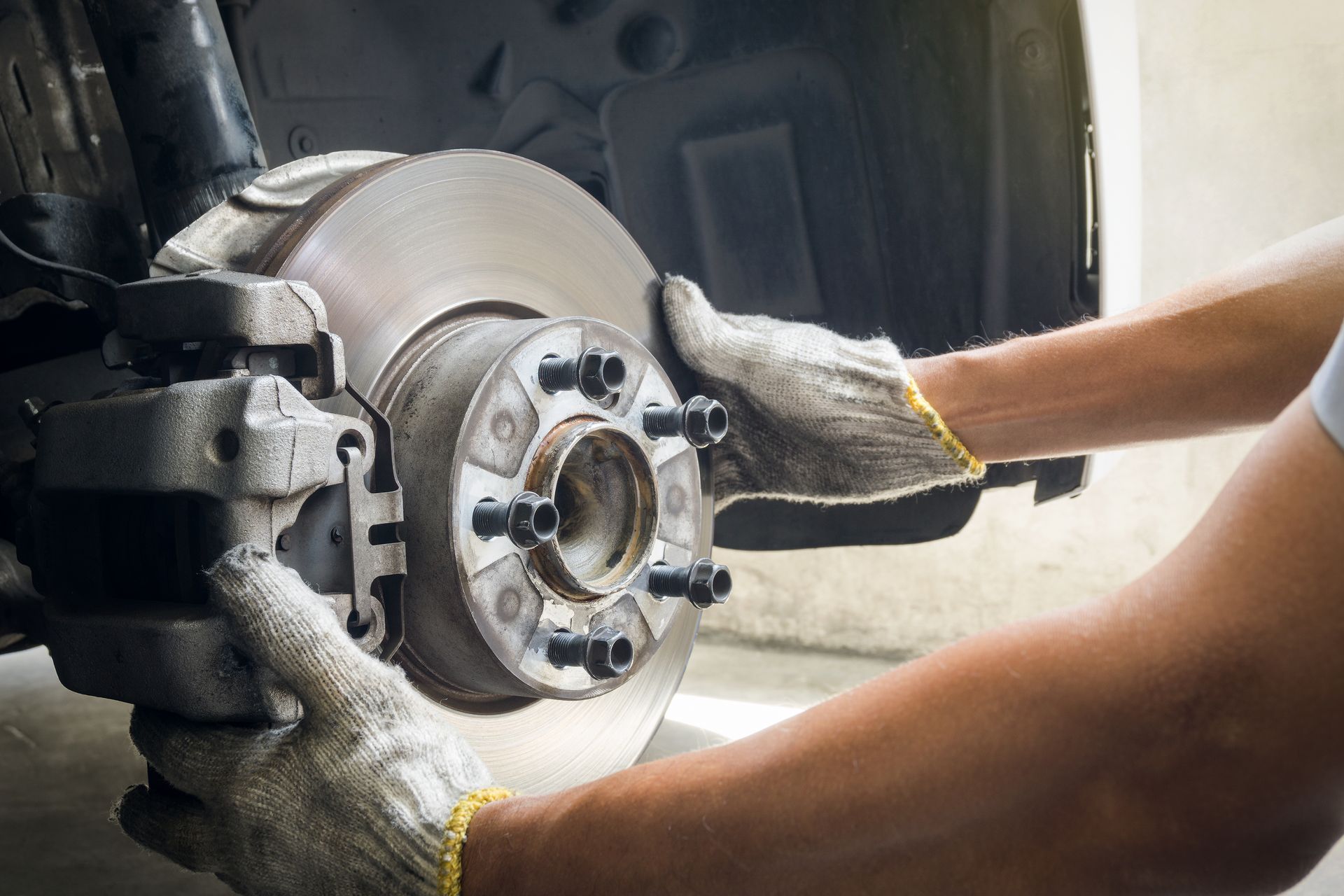
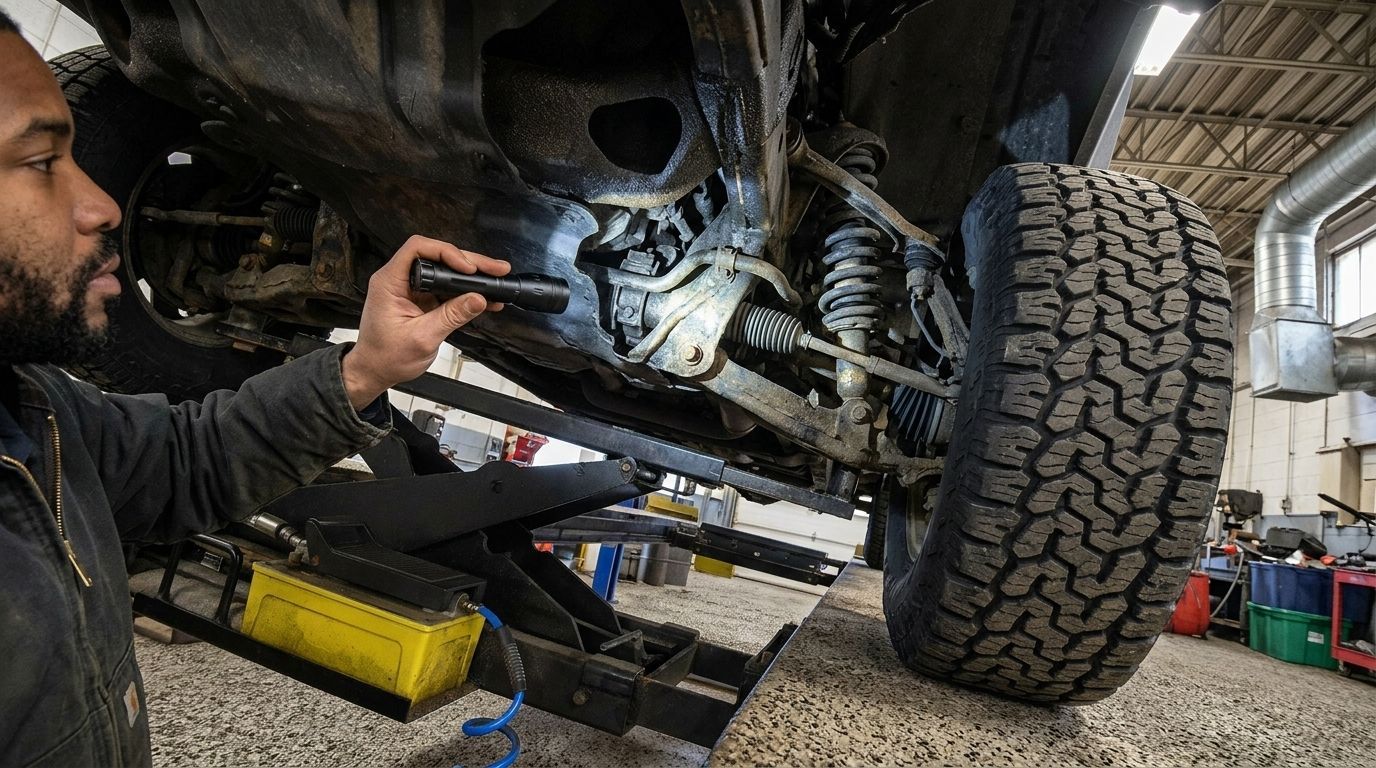
Use the photo to ask which part the finding is on, because the answer often changes the job. A brake inspection checks 4 things: your pads, rotors, calipers, and fluid. That list comes from our page on brake service and diagnostics in Campbell. Those are 4 components with different costs and different timelines. "Your brakes need attention" could mean any of them. Ask which one the photo shows, and a vague worry becomes a specific repair you can plan.
Same with a leak. A damp housing and fluid on the floor are two different stories about urgency. One customer put the value of this plainly in a Google review:
"Thorough and professional inspection of the vehicle with recommended service accompanied with photos. Straight forward honest assessment of the vehicle with no high pressure sales. Highly recommend." — Todd F.
Why isn't a trouble code the same as a diagnosis?
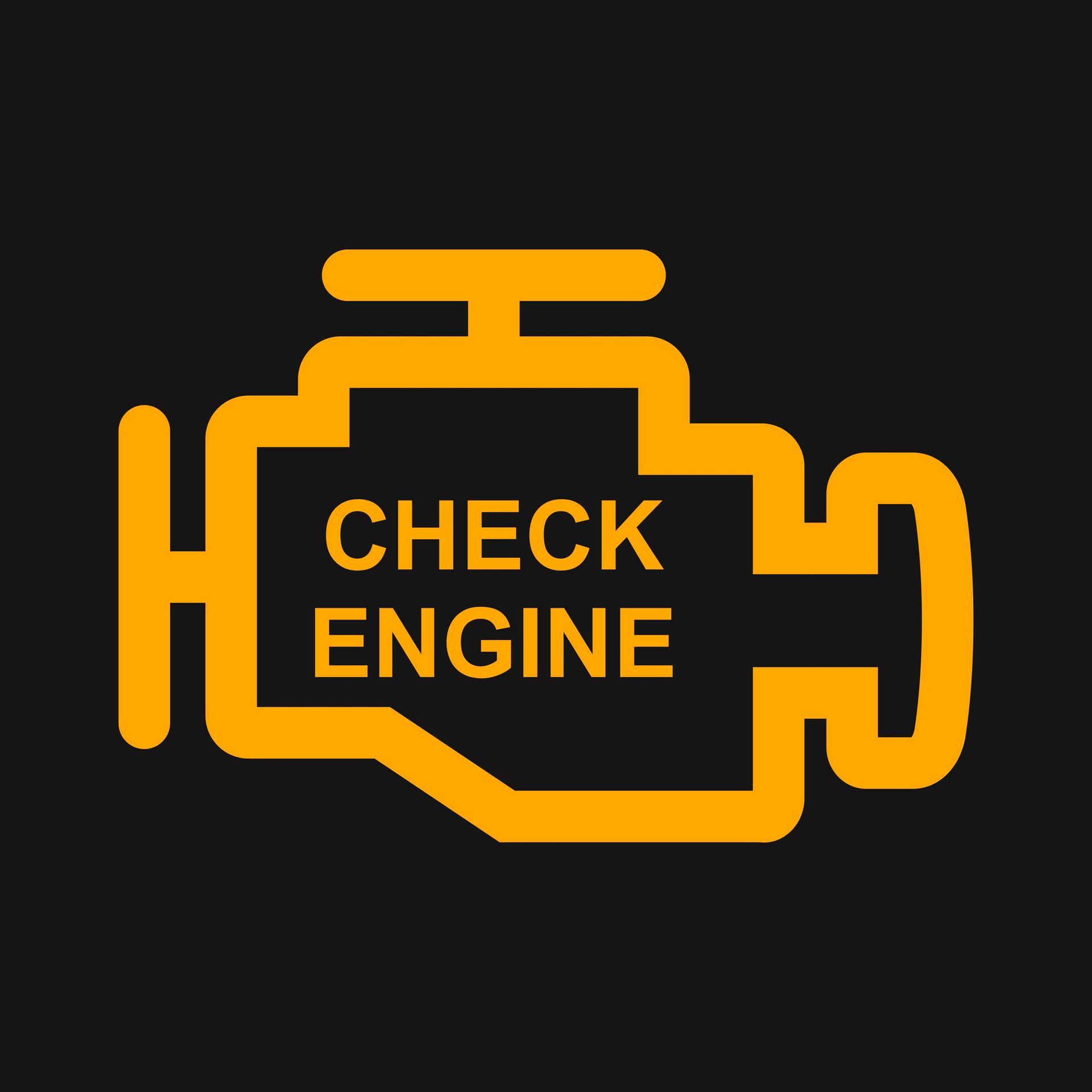
Because a code names a symptom, not a part. If your report shows a stored code, that's where the work starts, not where it ends.
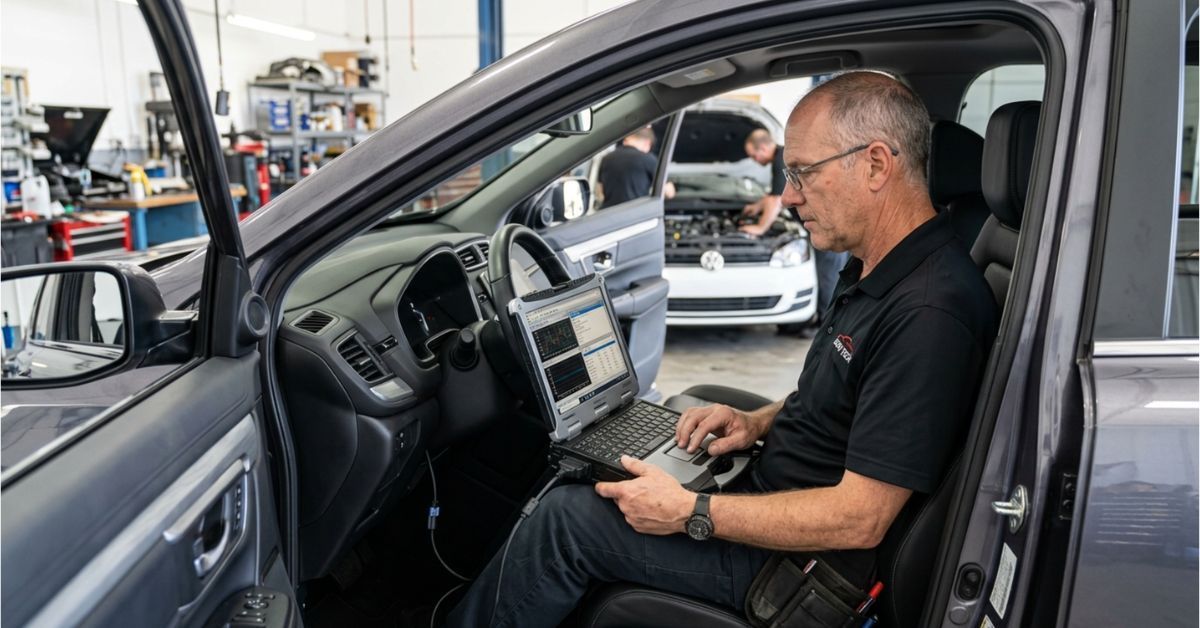
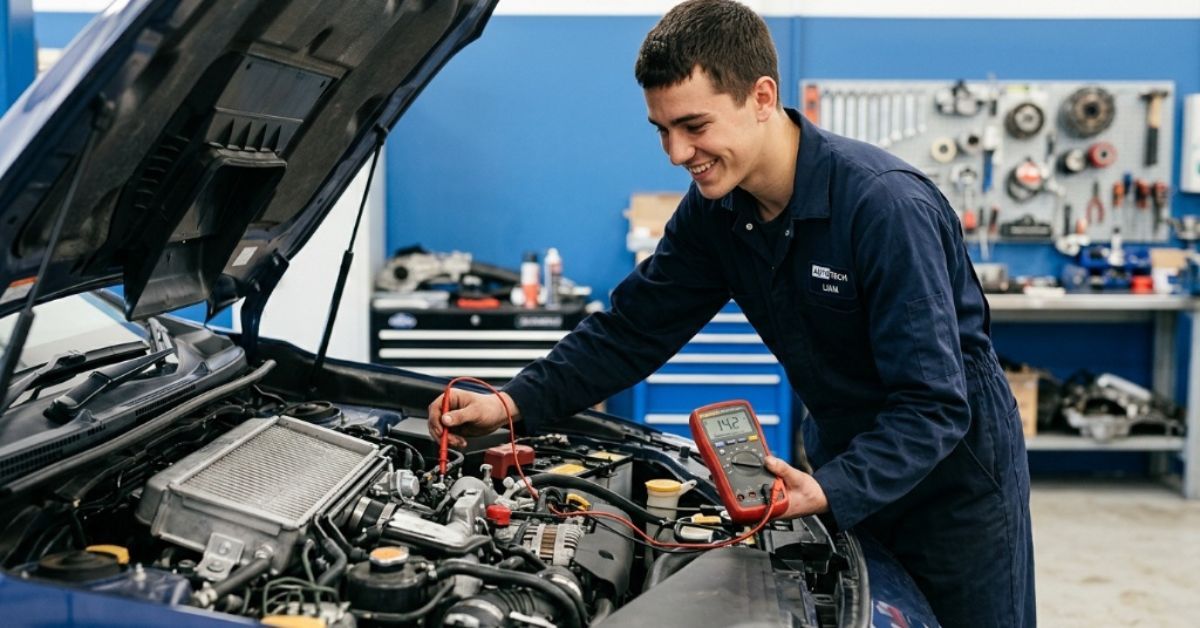
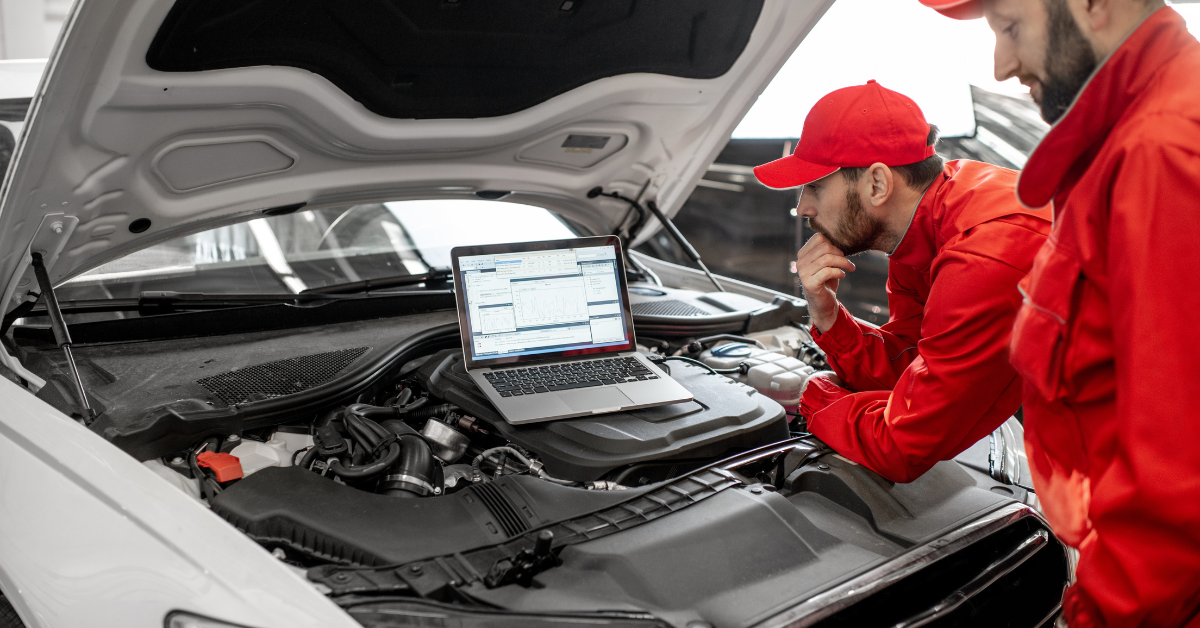
Our page on engine diagnostics puts it plainly. Reading that code is only the first step of the equation, and true diagnostics go beyond a simple scan. It involves interpreting data, conducting hands-on inspections, and using specialized equipment to identify the root cause. Our technicians test components, analyze system data, and verify the source of the problem before recommending repairs.
So if a line item exists only because a code appeared, it's fair to ask what was tested to confirm it. A code plus a test is a diagnosis. A code alone is a guess, and guesses get replaced in the wrong order.
How do you decide what to fix first?
Sort the line items by what gets worse, not by what costs least. An item that holds steady for 6 months is not the same as one that damages a second part next month. Even at the same price.
That's the real reason to act on some items early. Our page on preventative maintenance and fluid flushes names the pattern. The problems that grow are the ones that can create more collateral damage, require longer vehicle downtime to remedy, and incur higher cost. The question to ask about any line item is simple: if I wait 3 months, does this get more expensive, or just older?
Want to know what an inspection turns up in the first place? See what a multi-point inspection during an oil change can reveal.
What happens if you approve only part of the report?
You can, and it's normal. Photos, a clear quote, then your call, and your call can be some of it.
There's one detail worth knowing before you choose, though, and it's the part almost nobody is told. Our limited warranty terms attach to the work that's actually written on the repair order. The 36 month / 36,000 mile limited warranty applies to qualifying repairs we performed and parts we installed on that order. Brake friction material is carried at 24 months / 24,000 miles. An item you decline isn't on the order, so it isn't covered by anything.
That isn't a reason to approve everything. It's a reason to check two things. Make sure the lines you approve are written down the way you understood them. Keep the declined items on a list you revisit.
Questions we get about the report
Do I get the photos before any work starts? Yes. We'll send you photos of what we find and an itemized quote before we touch anything.
Can I approve some lines and not others? Yes. Each line is its own decision, and we'll tell you which ones can wait.
What if I want to hold off on something? Say so. Ask us what changes if it waits. For some items the honest answer is "very little". For others it's collateral damage and a longer repair later.
Autotrend Auto Repair, 2885 S Winchester Blvd, Suite F, Campbell, CA 95008, serving Campbell, West San Jose, Los Gatos, Saratoga, Cupertino and Cambrian Park. We're open Monday to Friday, 8:00 AM to 5:00 PM.
Bring your inspection report in, or call (408) 866-5140, and ask us to walk it line by line.