
What A Multi-Point Inspection During An Oil Change Can Reveal
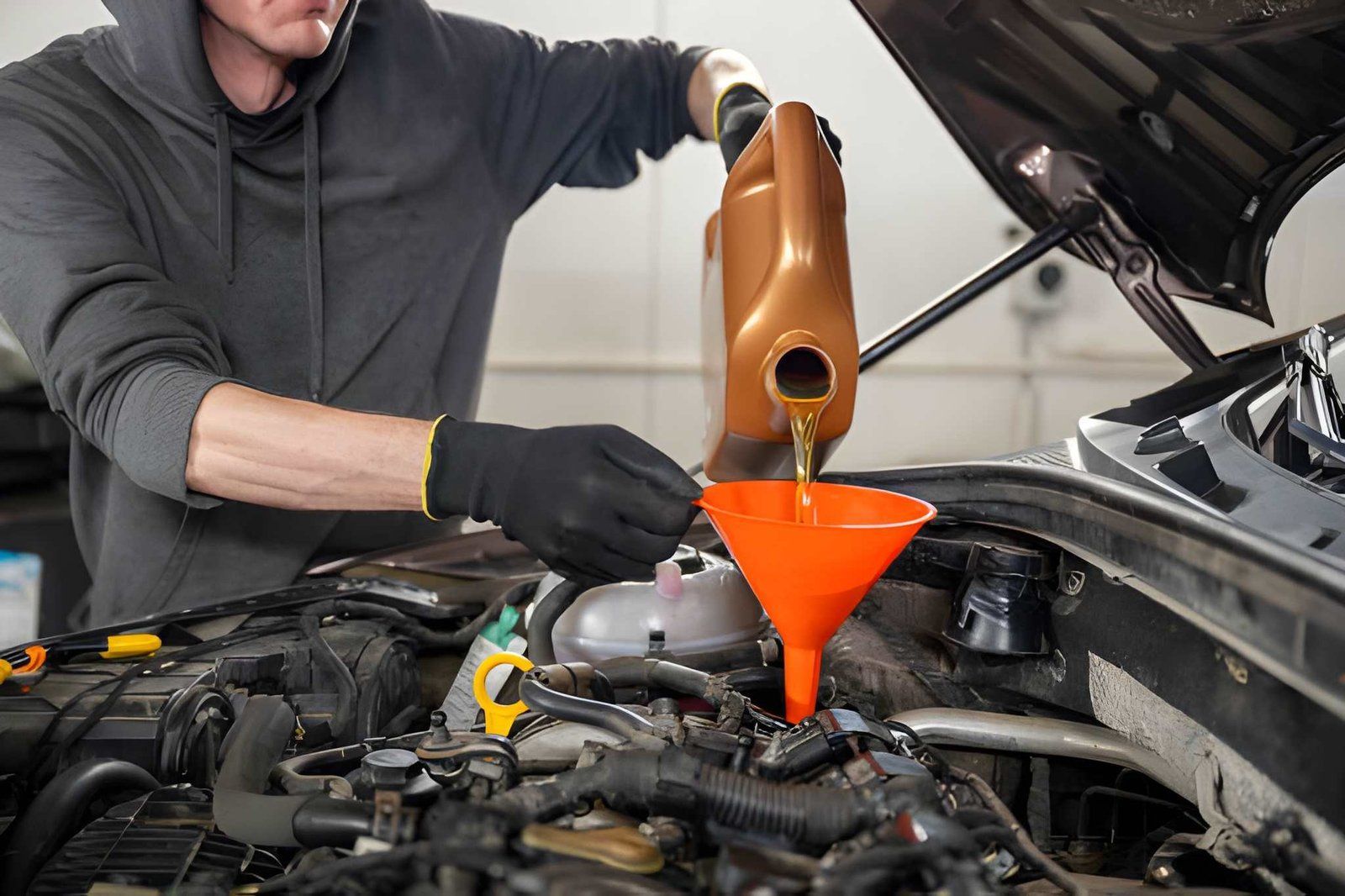
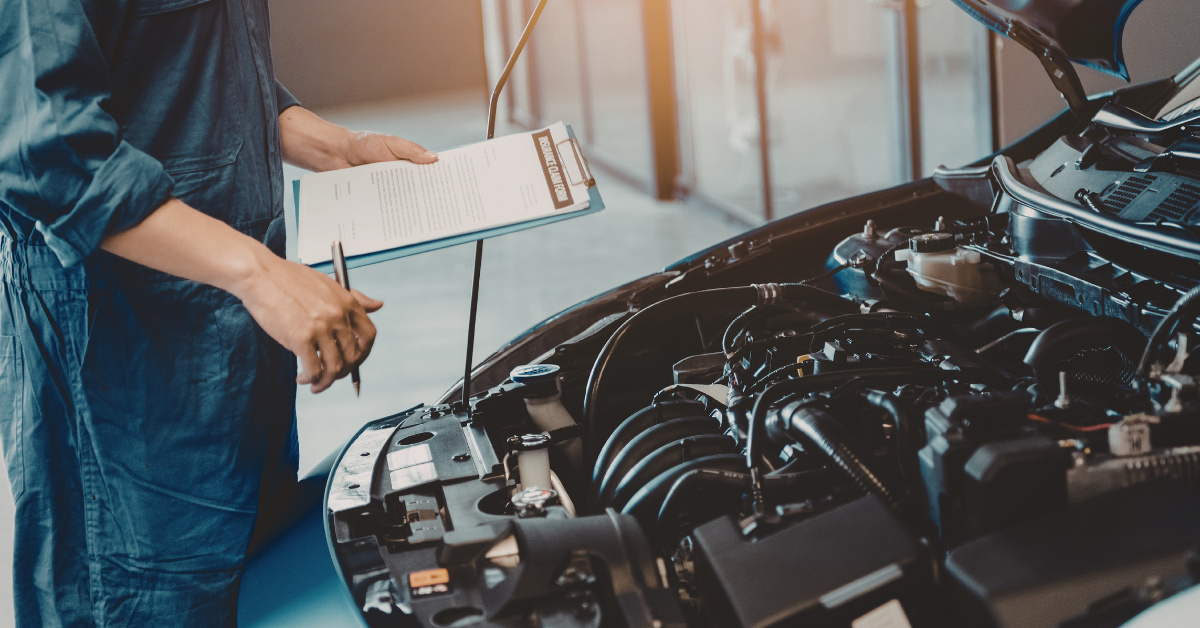
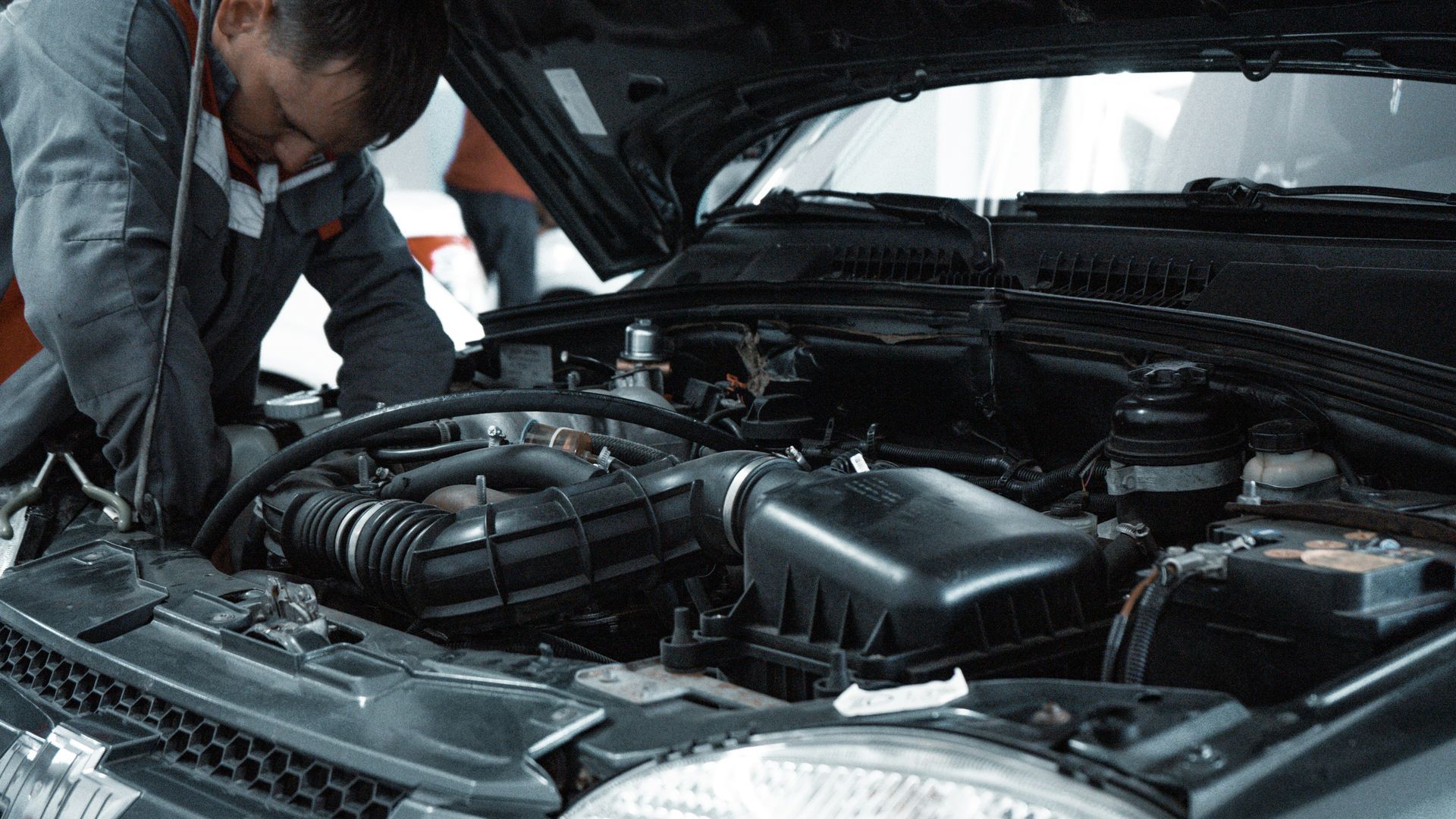
Oil changes are easy to treat like a quick pit stop. You drop the car off, get fresh oil, and head back to your day. That routine matters, but the real value often comes from what gets noticed while the car is on the lift and the engine is still warm.
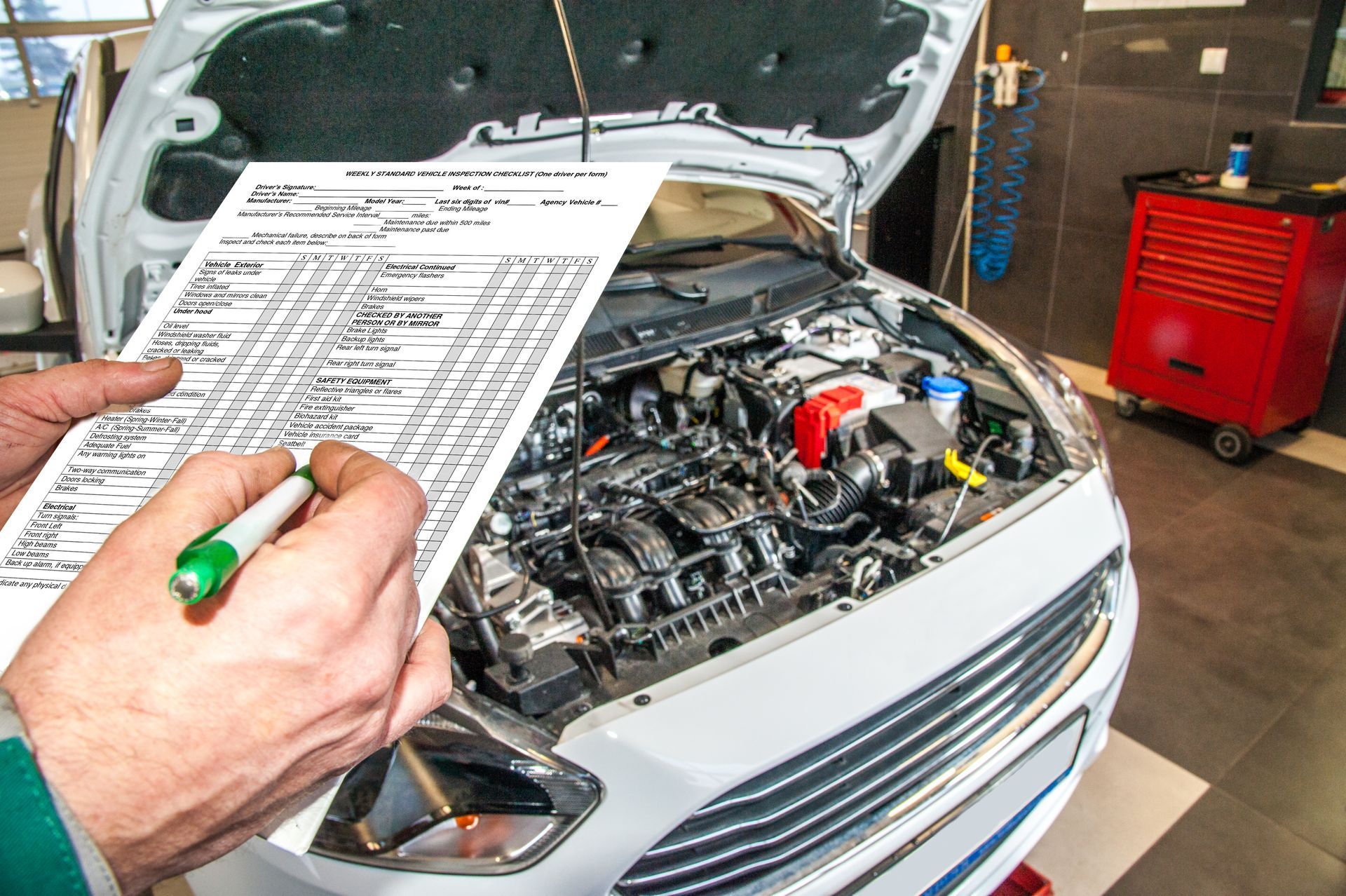
A multi-point inspection during an oil change can catch wear patterns early, before they turn into a warning light, a breakdown, or a bigger repair.
Why An Oil Change Is The Best Time To Look Around
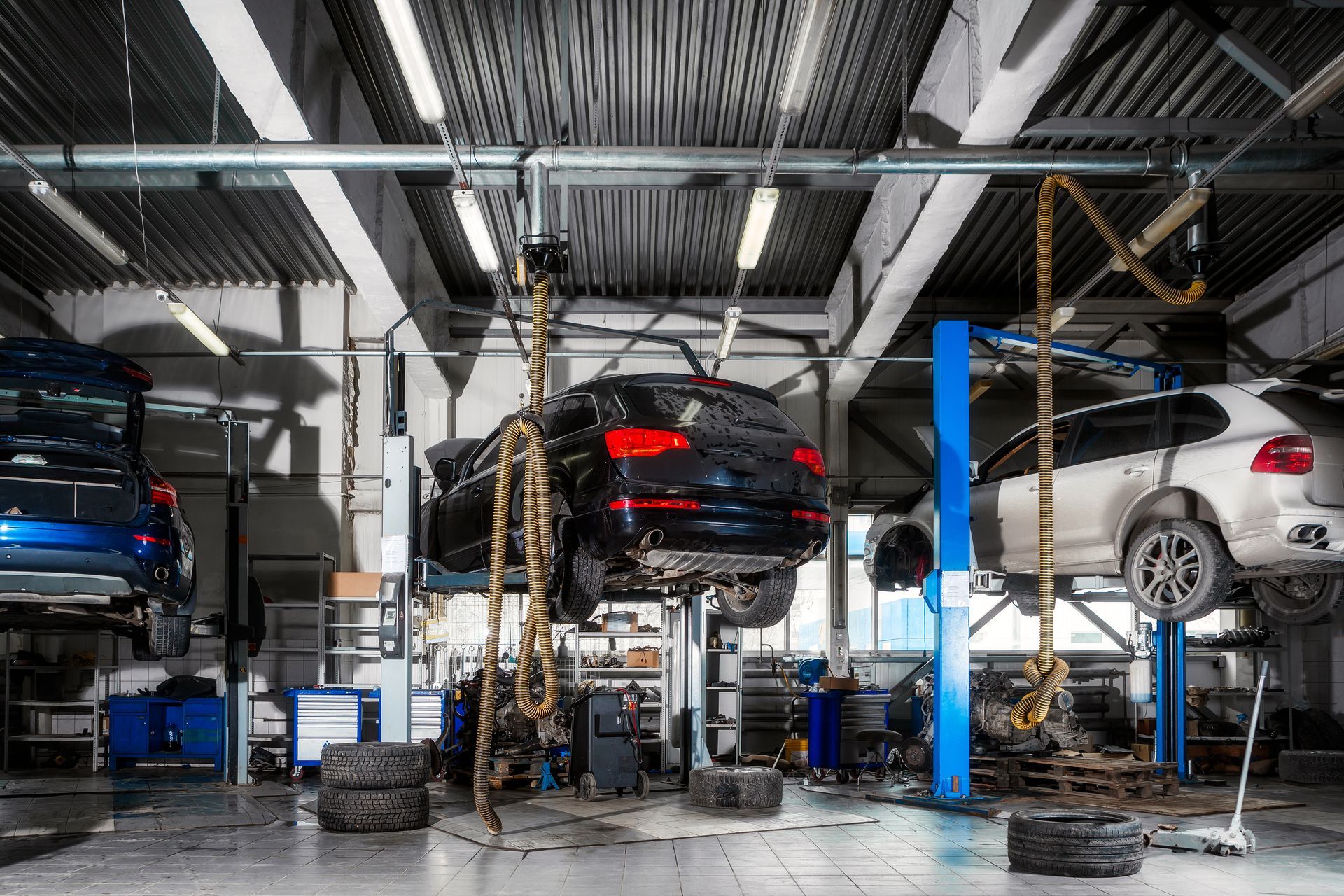
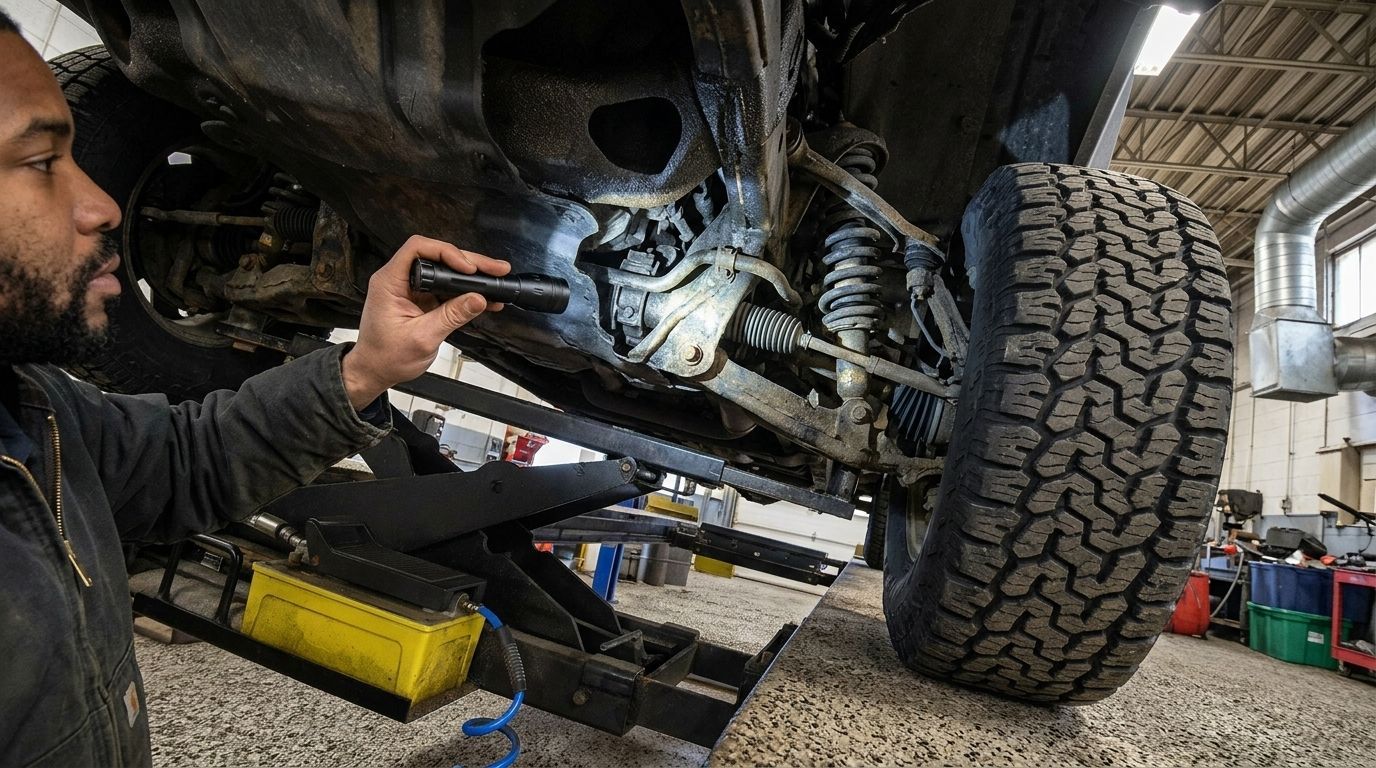
With the car already in the air, the technician can see areas you never get to see in a driveway. Leaks, torn boots, loose shields, and uneven tire wear stand out when the undercarriage is in plain view.
It also helps that the visit is routine. When inspections are tied to regular service, you build a timeline of what is changing and what is staying stable. That context makes it easier to prioritize rather than react late.
What The Inspection Can Reveal About Fluids And Leaks
A slow leak often starts as a damp area, not a puddle. Catching it at that stage can mean a gasket, a seal, or a simple line repair, rather than running low and stressing a major system.
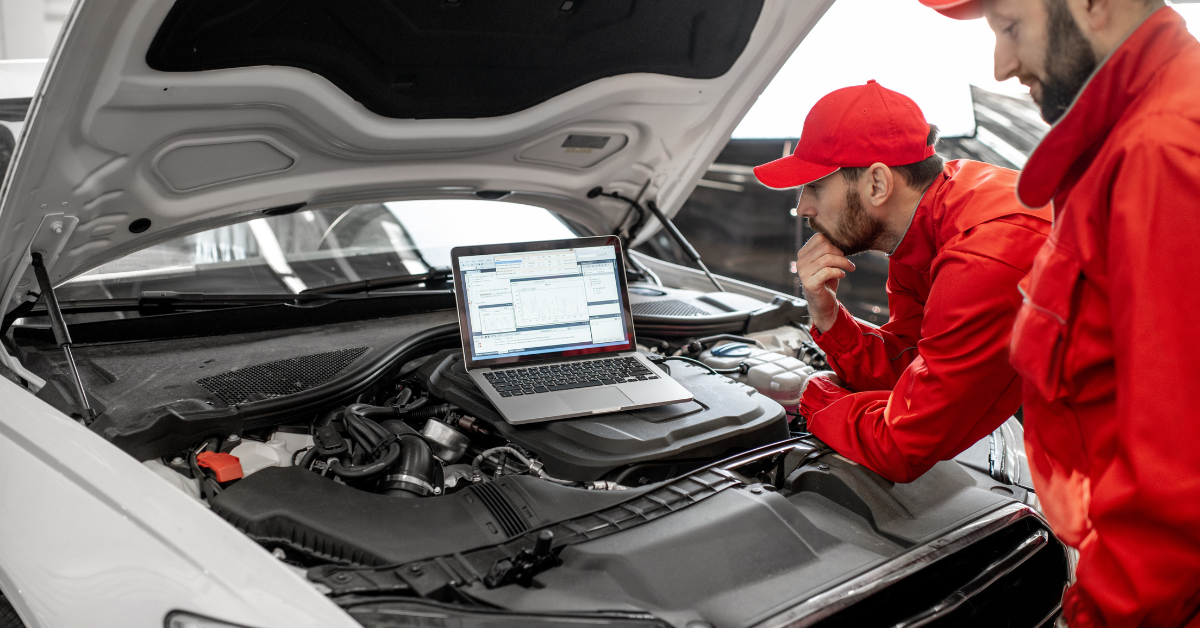
During an oil change, we also look for signs of cross-contamination, such as milky residue or coolant crust where it shouldn't be. Those details can point to the next test to run, rather than relying on hunches based on symptoms alone.
Tires And Brakes Tell A Big Story
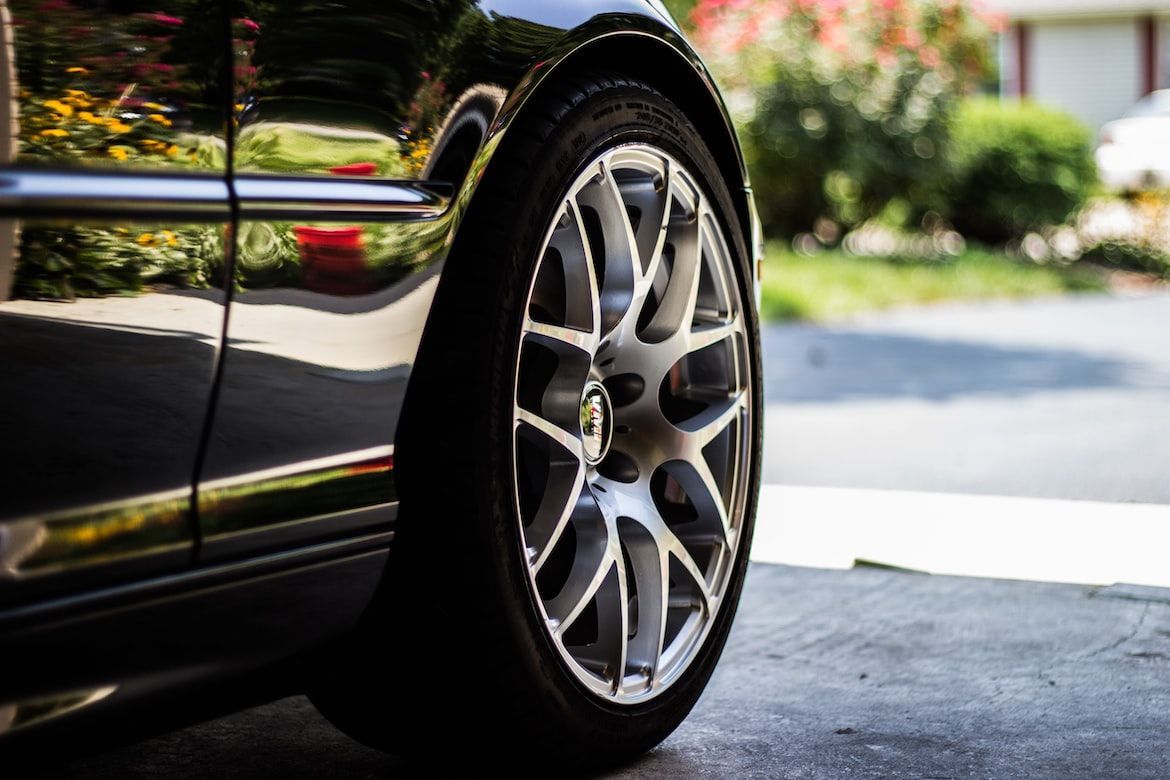
Tread depth is only the surface-level check. Uneven wear can hint at alignment drift, worn suspension parts, or even a tire that has been underinflated for a long time. If you rotate tires regularly, a multi-point inspection is where you find out whether the rotation is actually fixing the pattern or just moving it around.
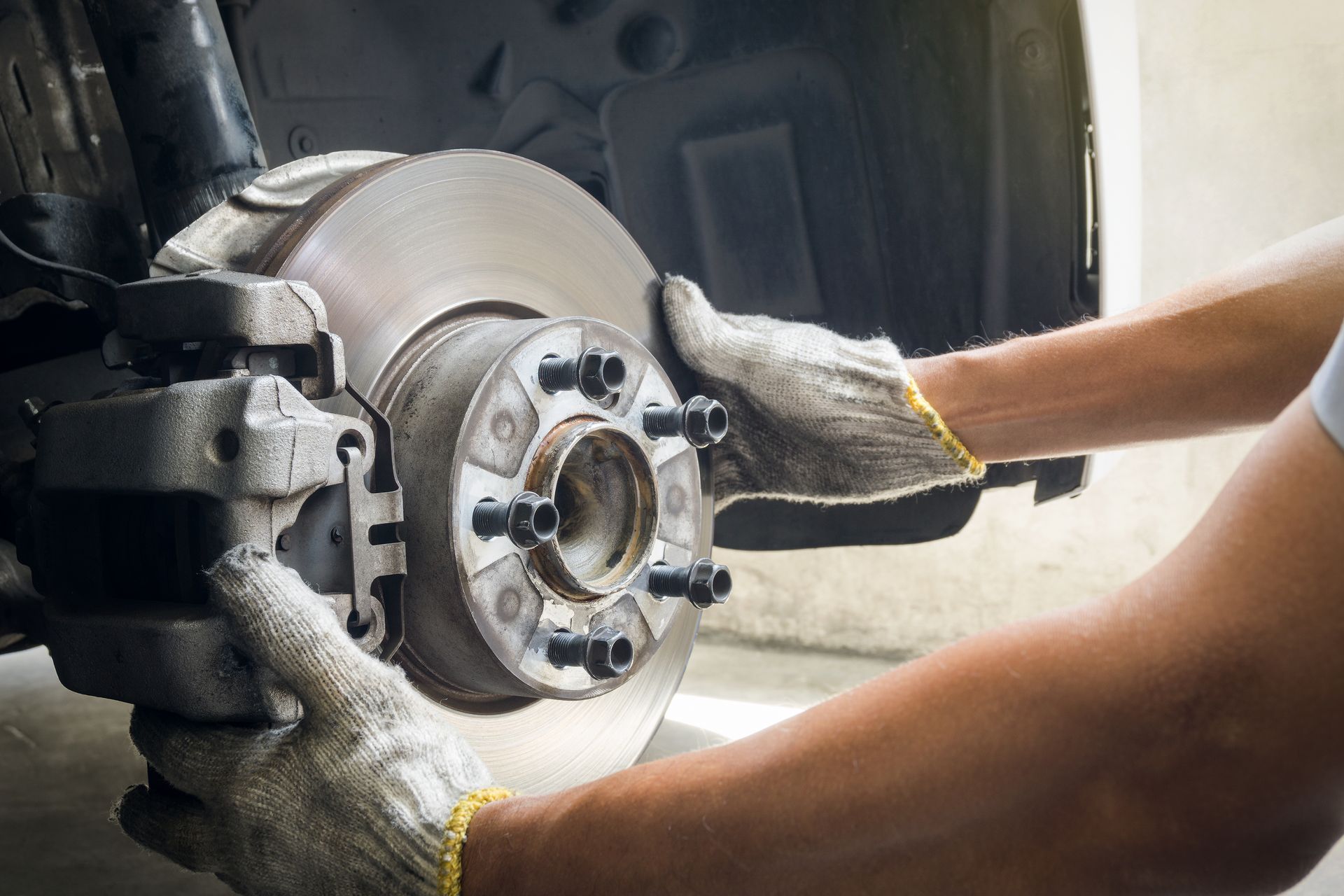
Brakes are similar. Pad thickness matters, but so do rotor condition, caliper hardware, and fluid condition. A little vibration, a squeak that comes and goes, or a pedal that feels slightly softer can often be traced back to something visible during an inspection.
Steering And Suspension Problems That Start Small
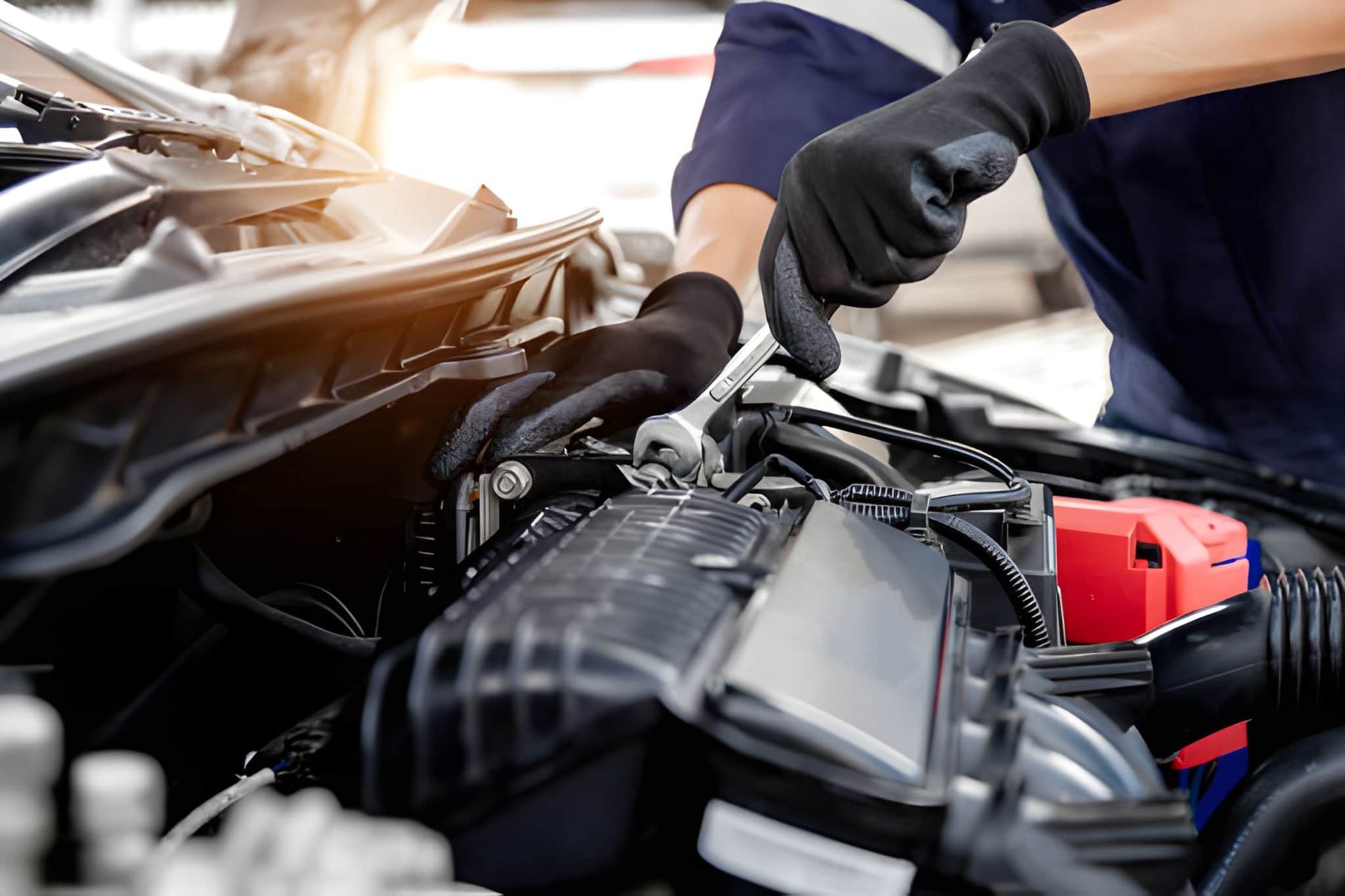
Loose steering and suspension parts rarely fail all at once. More often, a bushing cracks, a ball joint develops a little play, or a shock starts leaking, and the car just feels slightly less planted on rough roads.
Here are a few early findings that can show up before you feel a major handling change:
- Torn CV axle boots that have started to sling grease
- Worn tie rod ends that can lead to wandering steering
- Cracked control arm bushings that cause clunks over bumps
- Leaking shocks or struts that reduce stability on uneven pavement
- Wheel bearings starting to get noisy or loose
Finding these early usually gives you more options, including scheduling repairs before tires get chewed up.
Battery, Charging, And Warning-Light Prevention
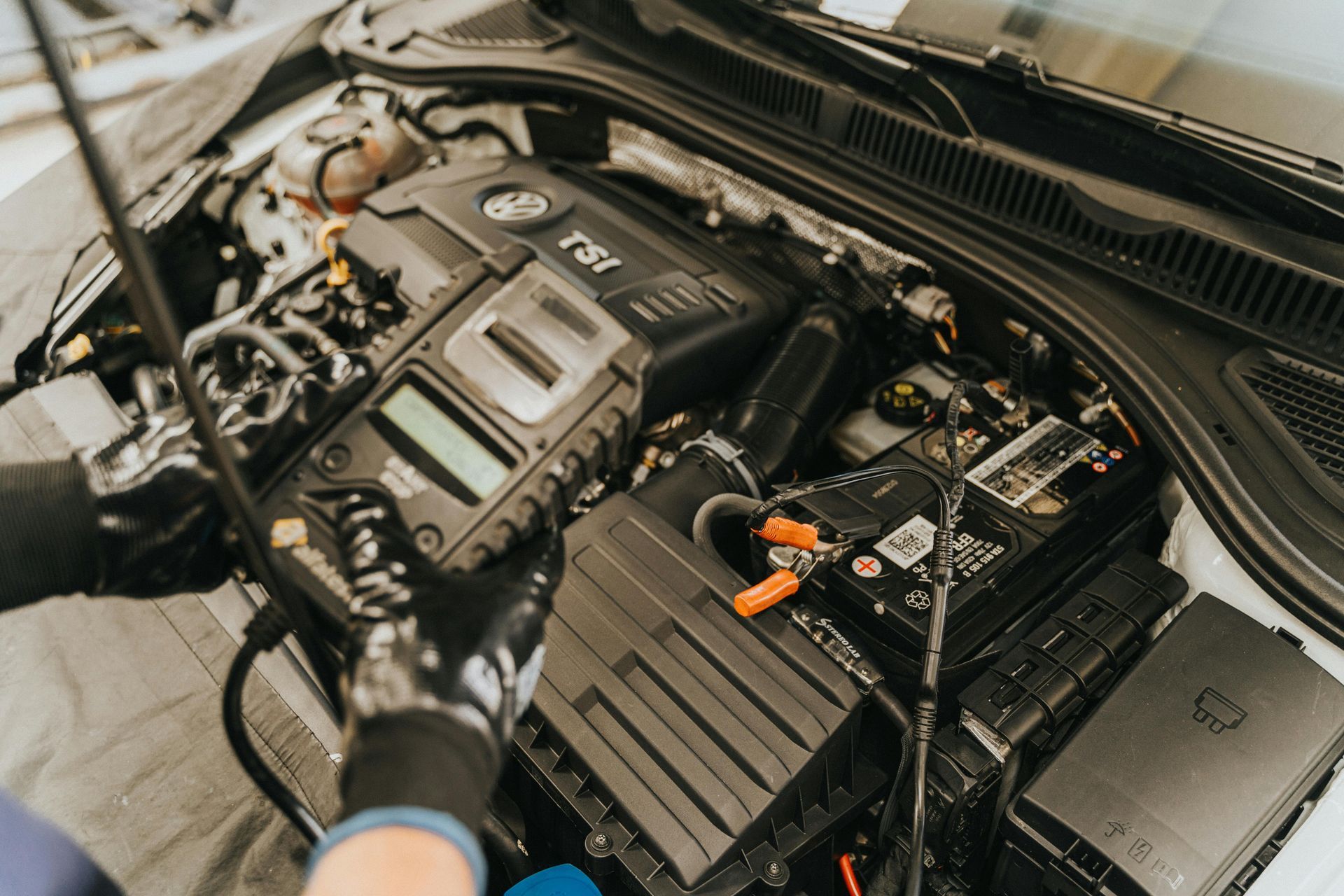
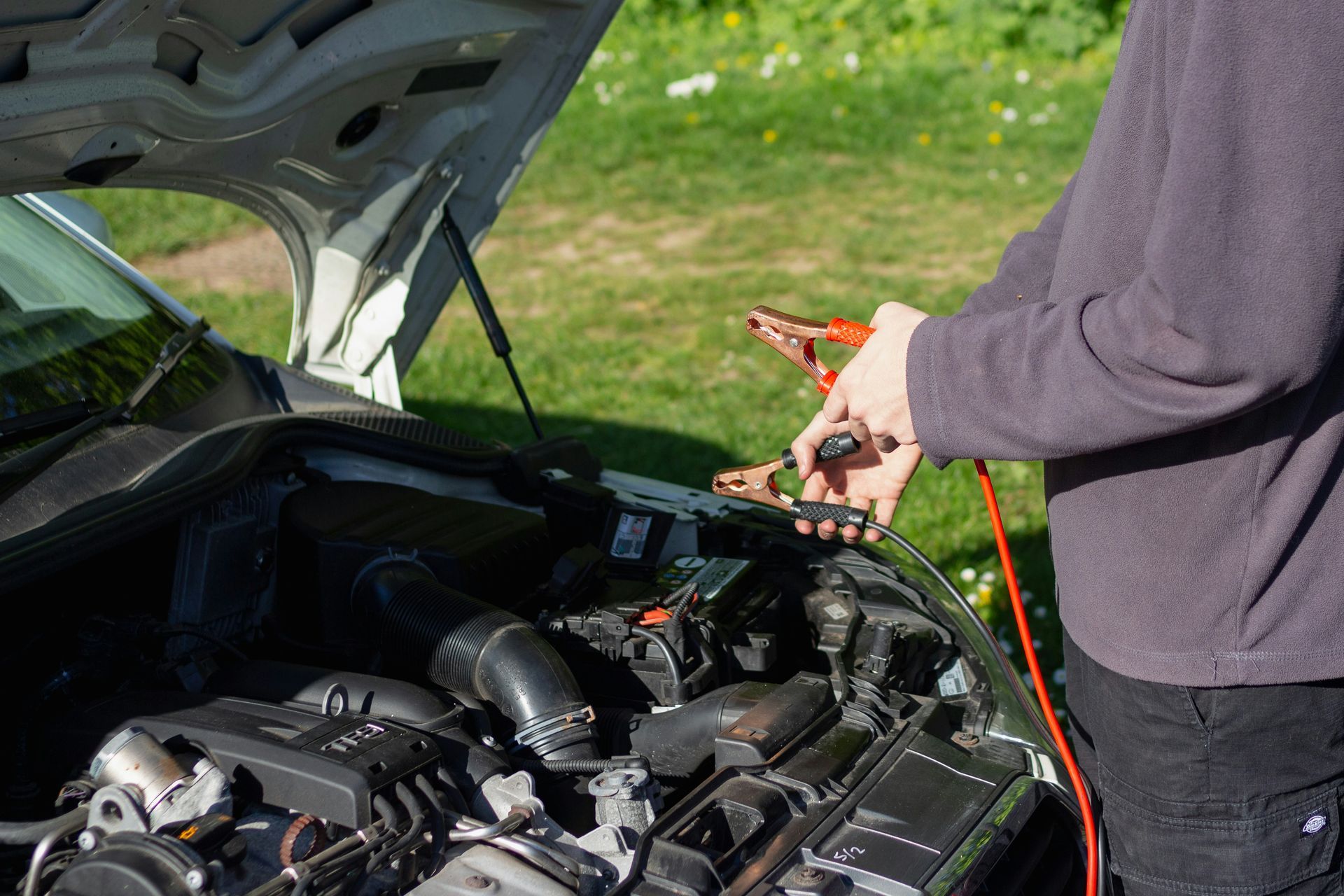
Many starting and charging issues build quietly. A battery can test borderline for months, and a weak alternator can hold voltage until a heavy load or a cold morning finally exposes it.
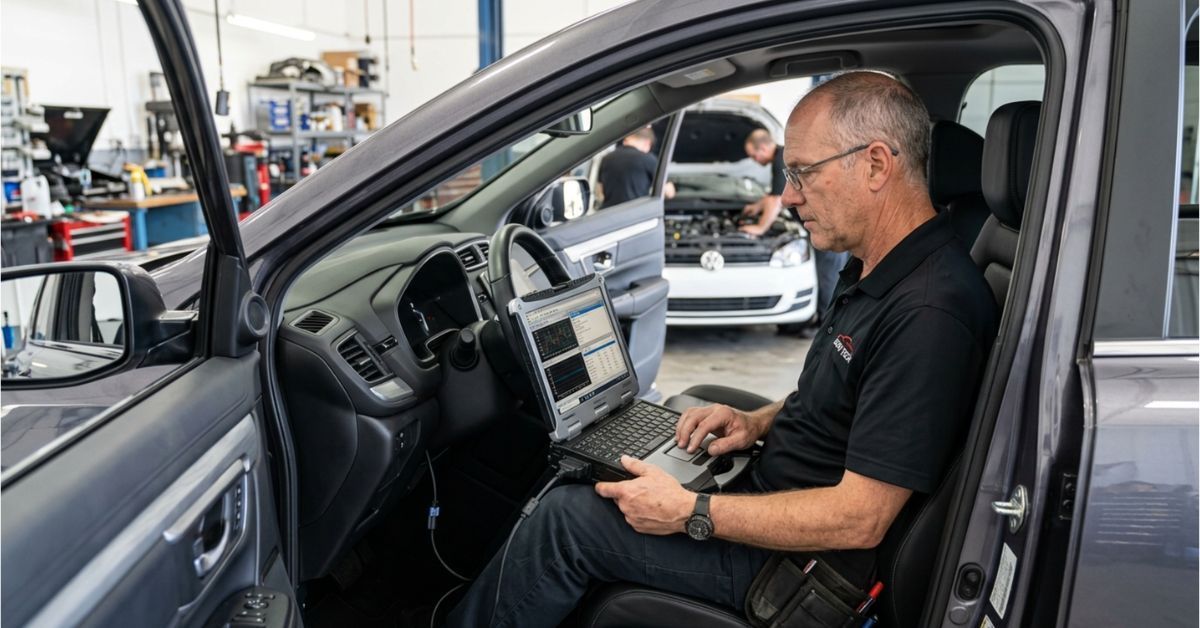
A multi-point inspection can include checking battery health, cable condition, and obvious charging system red flags. If the charging voltage is trending low or connections are corroded, addressing it early can prevent the day your car clicks once and refuses to start.
A Mini-Guide For Deciding What To Fix First
Not every note on an inspection needs to be handled the same day. The smartest plan is usually a mix of safety-first items, leak prevention, and wear items that are about to affect other parts.
If a finding affects stopping, steering, or tire integrity, that typically goes to the top of the list. If it is a slow seep or early wear, it may be reasonable to monitor for a short window while you budget and plan. Our technicians can explain what is urgent, what is time-sensitive, and what is simply informational.
Get A Multi-Point Inspection In Campbell, CA With Autotrend Auto Repair
We can pair your oil change with a clear, practical inspection so you know what is going on under the hood and underneath the vehicle. We’ll show you what we found, explain the likely next steps, and help you prioritize based on safety and cost.
Call or schedule your visit, and let’s keep small issues from turning into expensive surprises.