
Why Did My Check Engine Light Turn Off When The Car Is Driving Fine?
You see the check engine light pop on, your stomach drops a little, and you start listening for every tiny noise. A day or two later, it turns off, and the car feels exactly the same as it did before. That’s when most drivers wonder if it was a glitch, or if the car fixed itself. The confusion makes sense because the light feels like an on or off verdict.
It usually is not that simple.
Why The Light Can Turn Itself Off
The check engine light is tied to the car’s computer logic, not your gut feeling about how it drives. Many systems run self-checks in the background, and the light comes on when a fault shows up often enough to meet a threshold. If the computer stops seeing that fault for a certain number of drive cycles, it can turn the light back off. That does not automatically mean the issue disappeared for good.
Think of it like a symptom that comes and goes. Intermittent problems are common in modern cars because sensors, wiring, and mechanical parts all behave a little differently when hot, cold, wet, or under load. A loose connection can make perfect contact for weeks, then act up on a rainy morning. The light turning off can be the calm between repeats.
Stored Codes Do Not Vanish When The Light Goes Away
Even when the light is off, the computer often keeps a record of what happened. Many faults leave behind stored code and freeze-frame data, which is basically a snapshot of conditions when the problem was detected. That history helps pinpoint whether it happened at idle, at highway speed, during acceleration, or right after a cold start. In other words, the clue may still be in there even if the dashboard looks normal today.
Some issues also leave a pending code. A pending code means the computer saw something suspicious, but it wants to see it again before turning the light on. If it never repeats, the pending code may clear on its own after enough normal trips. If it does repeat, the light may come back on, sometimes at the worst possible moment.
Common Reasons The Light Comes On Then Off
A loose or damaged gas cap is the classic example. A small evaporative leak can trigger the light, then the light may turn off after the system passes its next self-test. Temperature swings and fuel level can affect when that test runs, so you might see the light one week and nothing the next. It is still worth checking the cap seal and tightening it correctly.
Misfires can also be intermittent. A spark plug that is starting to wear, a coil that is getting weak, or a fuel injector that is slightly restricted might act up under specific conditions, then behave normally when you change speed. Some oxygen sensor and air-fuel sensor issues show up the same way, especially if the engine is running a bit rich or lean only at certain RPM ranges. When we see this pattern, we do not assume it is random.
Driving "Fine" Can Still Mean Something Is Off
Cars can hide a lot. The engine management system is designed to keep things running even when a sensor signal is drifting or a system is not operating perfectly. You may not feel a difference because the computer is adjusting fuel trim, timing, and idle control to compensate. That keeps you moving, but it can mask a problem that affects emissions or fuel economy.
It is also possible for the light to turn off while the root cause remains. For example, a thermostat that is sticking may only fail on colder mornings, and a small intake leak may only matter when the engine is hot. These issues may not strand you, but they can snowball into recurring warnings or uneven performance over time. Catching the pattern early is usually easier than chasing it later.
When You Should Not Ignore It
If the check engine light was flashing at any point, that is a different situation. A flashing light often points to an active misfire that can damage the catalytic converter, even if the car seems to settle down later. The same goes for any sudden change in how it runs, like a rough idle, a noticeable loss of power, or a strong fuel smell. If you notice those symptoms, it is smart to park it and get help.
Even with a light that turned off, pay attention to repeats. If it comes back on during the same type of drive, like stop-and-go traffic or highway cruising, that detail matters. Also note any recent work, refueling, or battery replacement, as voltage changes and loose connectors can sometimes trigger temporary faults. This is where regular maintenance pays off because the baseline condition of the car is known and consistent.
A Few Things To Check Before Your Appointment
Start with the basics and keep it simple. Check that the gas cap is tight and the seal is not cracked, then look for obvious loose hoses under the hood. If the car has been running normally, avoid disconnecting the battery to clear the light, because that can erase useful history. If you have a scan tool, write down the codes instead of clearing them.
Also consider the timing. Did it happen right after a fill-up, right after a cold start, or right after you drove through heavy rain? Those clues can narrow the direction quickly. If you are not sure what to look for, scheduling an inspection while the code history is still available is often the best move. We have seen plenty of cases where the light was off, but the stored data made the fix straightforward.
What A Proper Scan Tells You
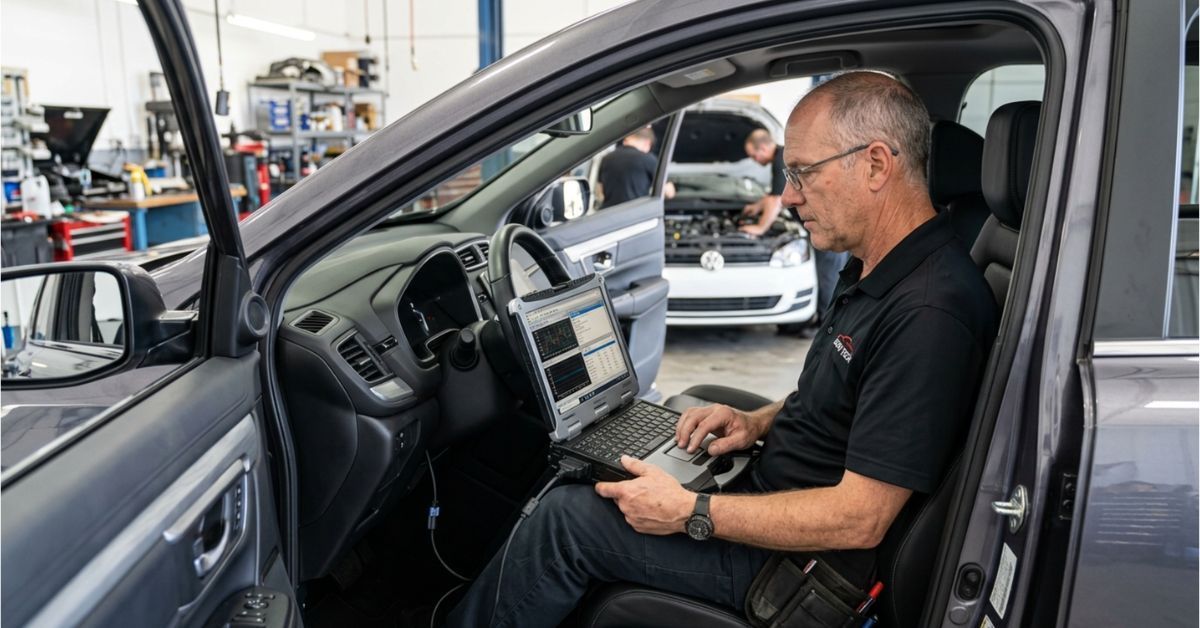
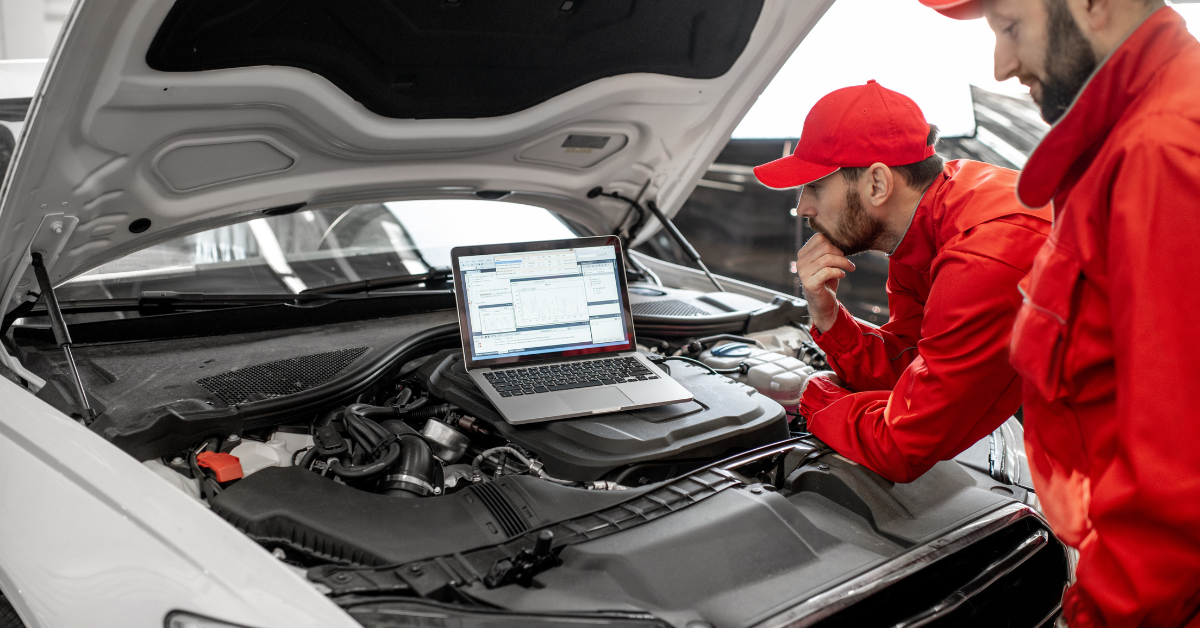
A scan is not just reading a code and throwing a part at it. The code points to a system or condition, and then you confirm it with data and checks. Live sensor readings, readiness monitors, and freeze-frame info help identify whether the issue is real, intermittent, or the result of a sensor signal that is out of range only sometimes. That approach saves time and usually saves money too.
You can also learn whether your car is ready for an emissions test. If someone cleared codes recently, the monitors may show not ready even if the light is off. A good scan explains what the computer is seeing now and what it saw when the light came on. That is the difference between guessing and fixing.
Get Check Engine Light Testing In Campbell, CA With Autotrend Auto Repair
Even if your check engine light turns off, but you want real answers, Autotrend Auto Repair can pull the stored information, verify what triggered it, and walk you through the next steps without panic. Our technicians focus on confirming the cause and recommending only what the car actually needs.
You will feel a lot better knowing whether it was a one-time event or the start of a repeat issue.