
Hybrid Maintenance Schedule: What's Different From Gas Cars?
Hybrid maintenance can feel confusing because the car is doing some of the work in the background. The engine turns on and off, the battery assists, and braking feels different depending on speed and charge level. That makes people wonder what still needs service, what lasts longer, and what should be checked more often.
The good news is that hybrids are not so hard to maintain. They just have a few systems that age differently than a gas-only car.
What Stays The Same As A Gas Car
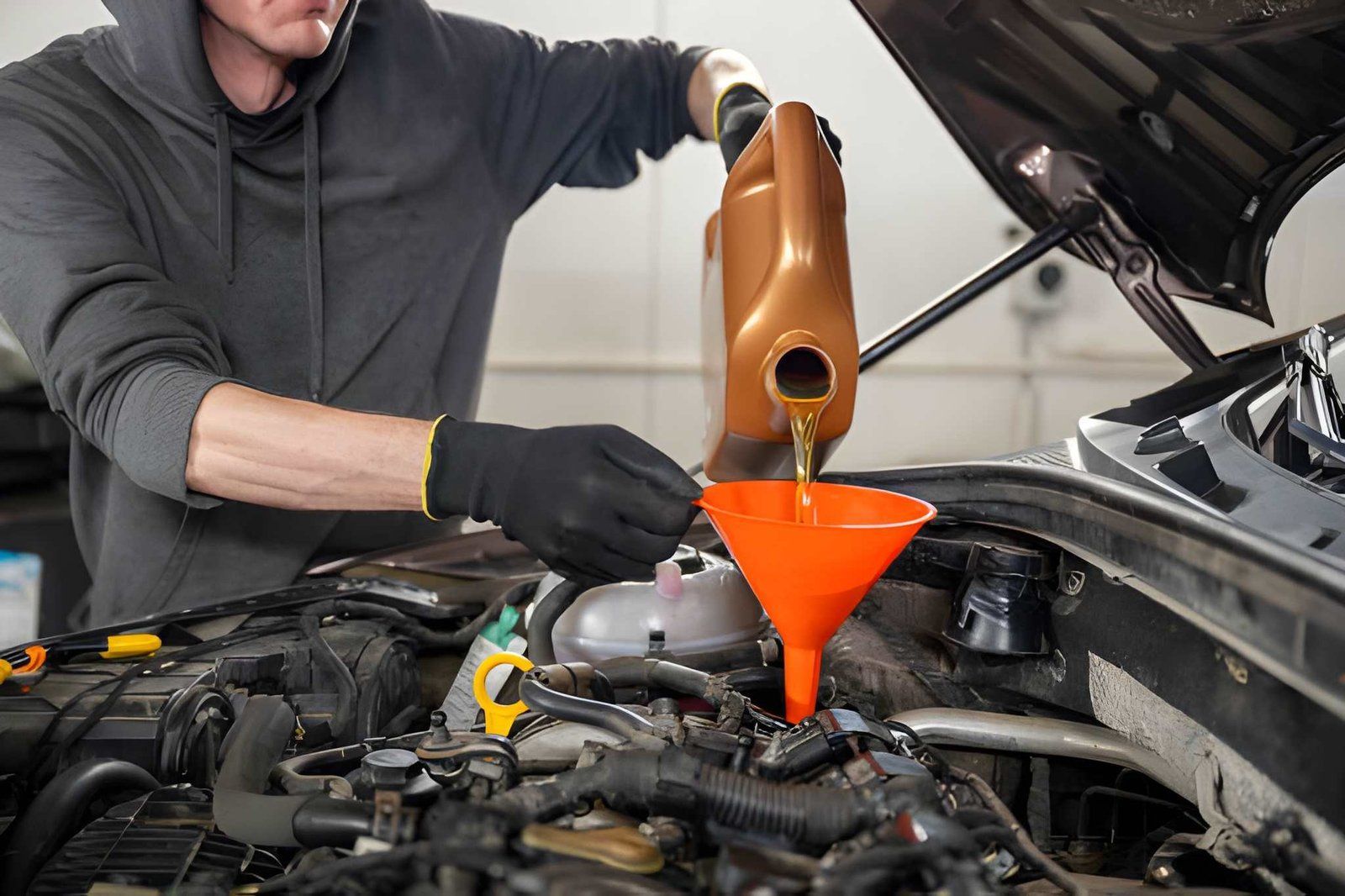
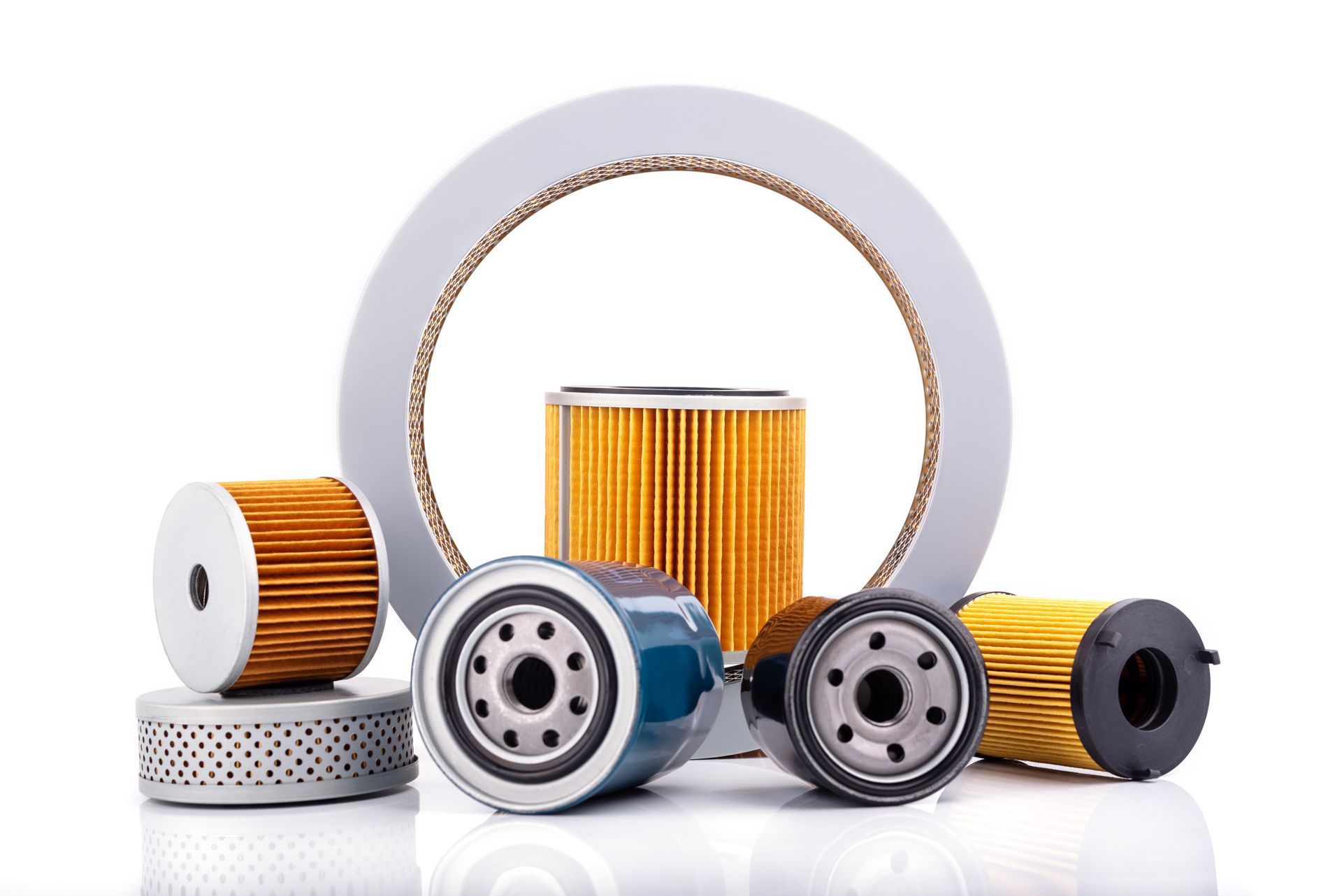
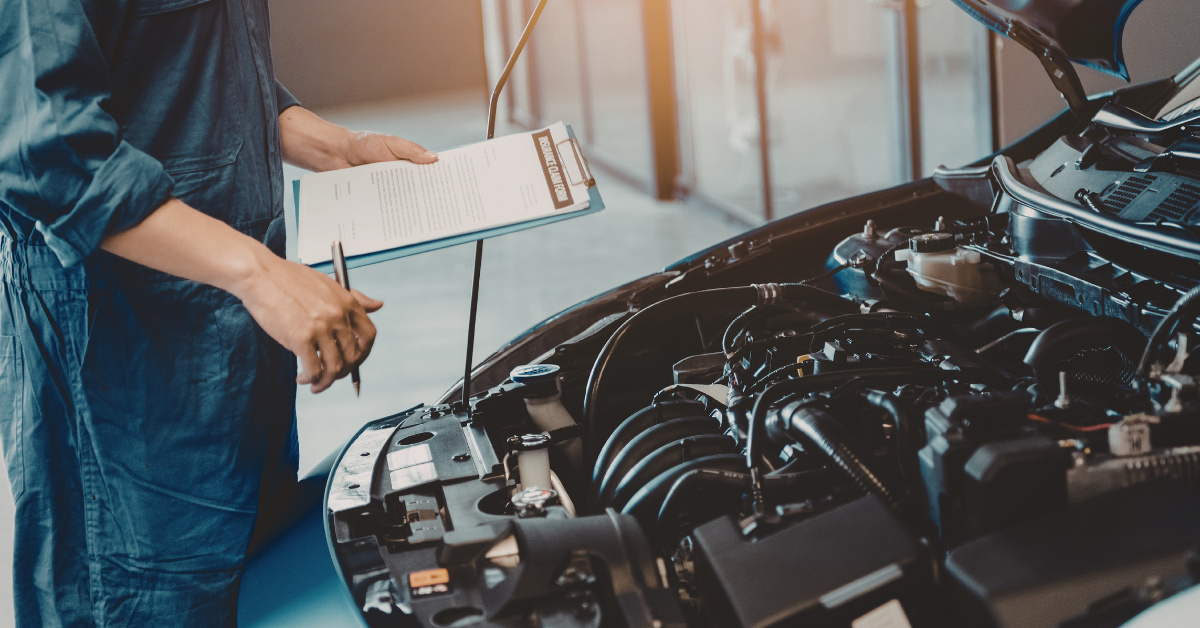
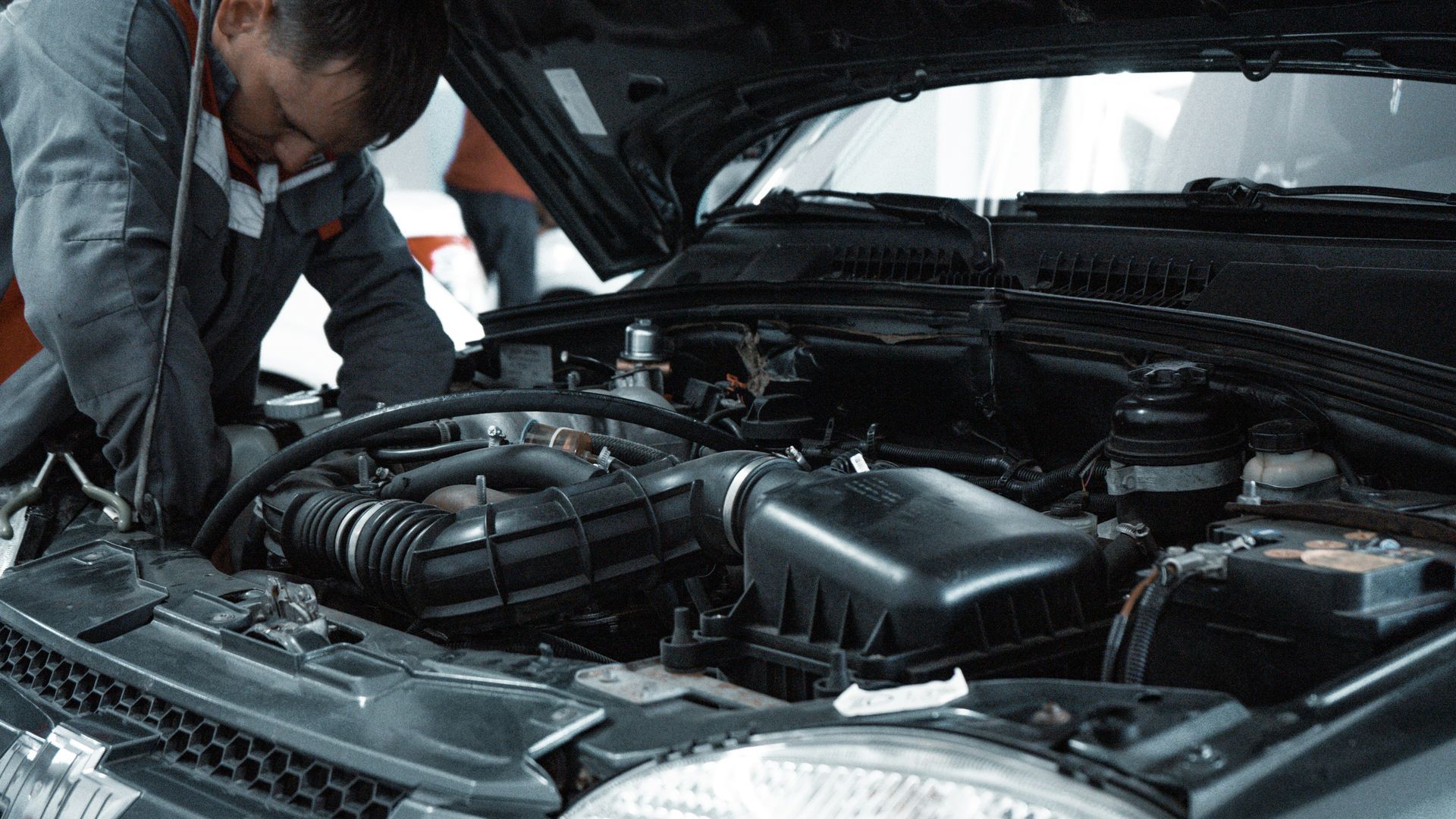
Hybrids still have an engine, so they still need oil service, filters, and basic inspections. Coolant, belts on some models, spark plugs at the correct interval, and general fluid checks remain important. Tires, suspension, steering, and brakes still wear and still need attention.
The difference is that your driving pattern can be a little harder to read. The engine may run fewer minutes on some trips, then work harder on others. Keeping up with regular maintenance keeps the engine side dependable, especially if your hybrid sees lots of short trips or heavy traffic.
What Changes Because The Engine Turns On And Off
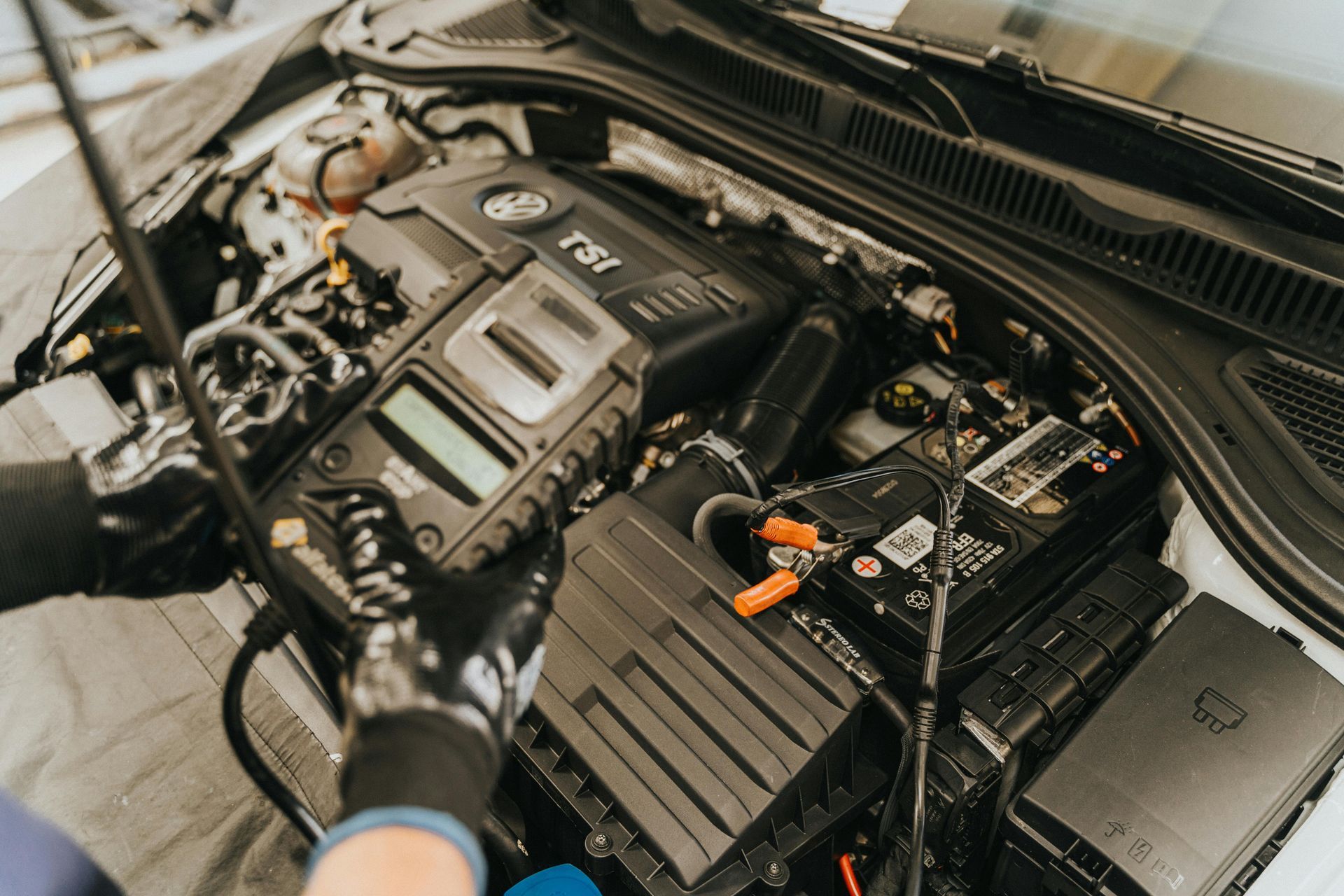
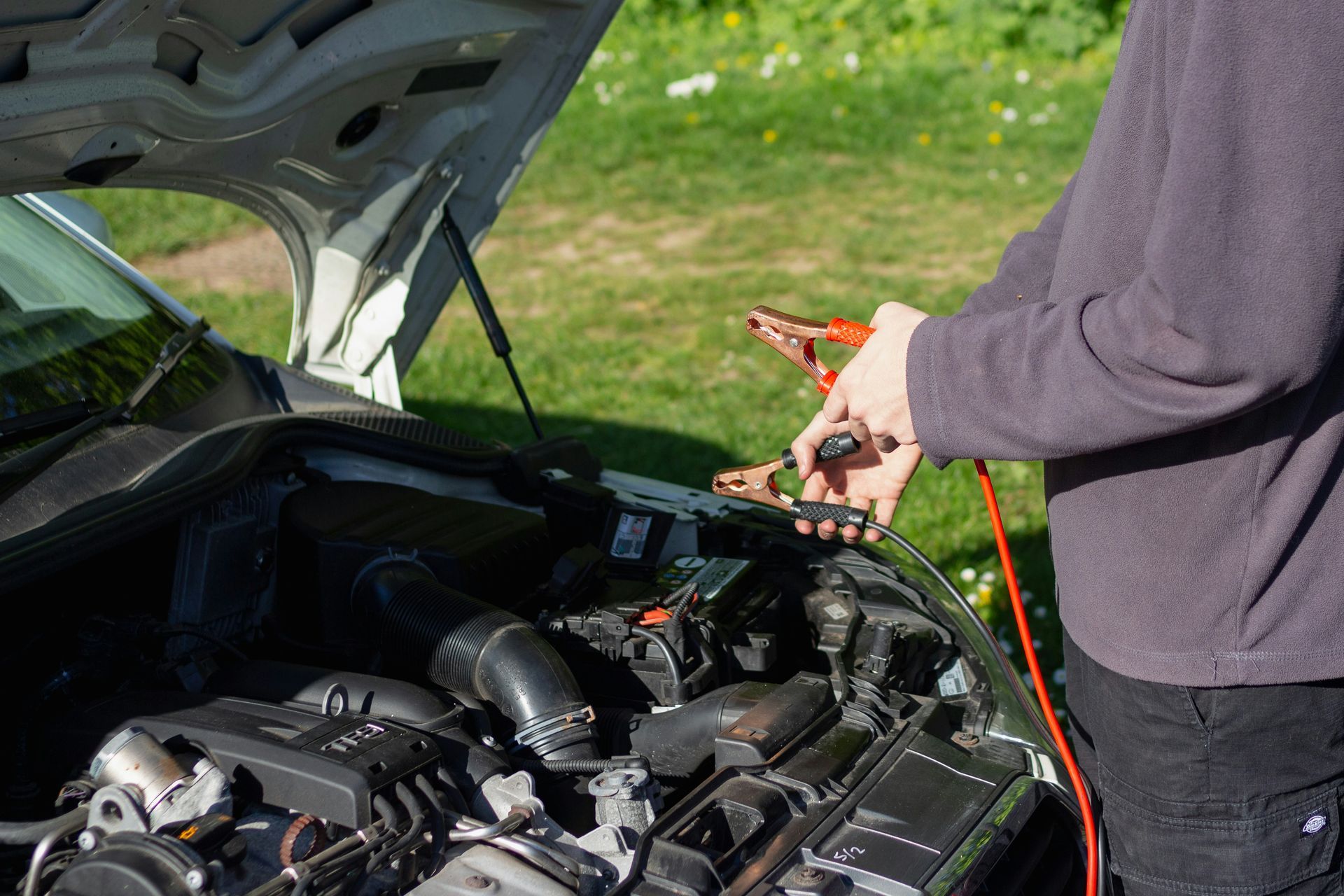
Frequent engine start-stop cycles can put extra demand on certain components. The 12-volt battery and the starting system are different from a traditional starter setup, but the car still requires stable voltage. If the 12-volt battery gets weak, you can see odd warning messages and inconsistent behavior even if the hybrid battery is fine.
Engine warm-up behavior is also different. Some hybrids run the engine specifically to reach operating temperature, then shut it off again, especially in cold weather. That is why oil condition and oil level still matter. If you stretch intervals too far, the engine can build deposits even if it feels like it runs less often.
Brake Maintenance Looks Different
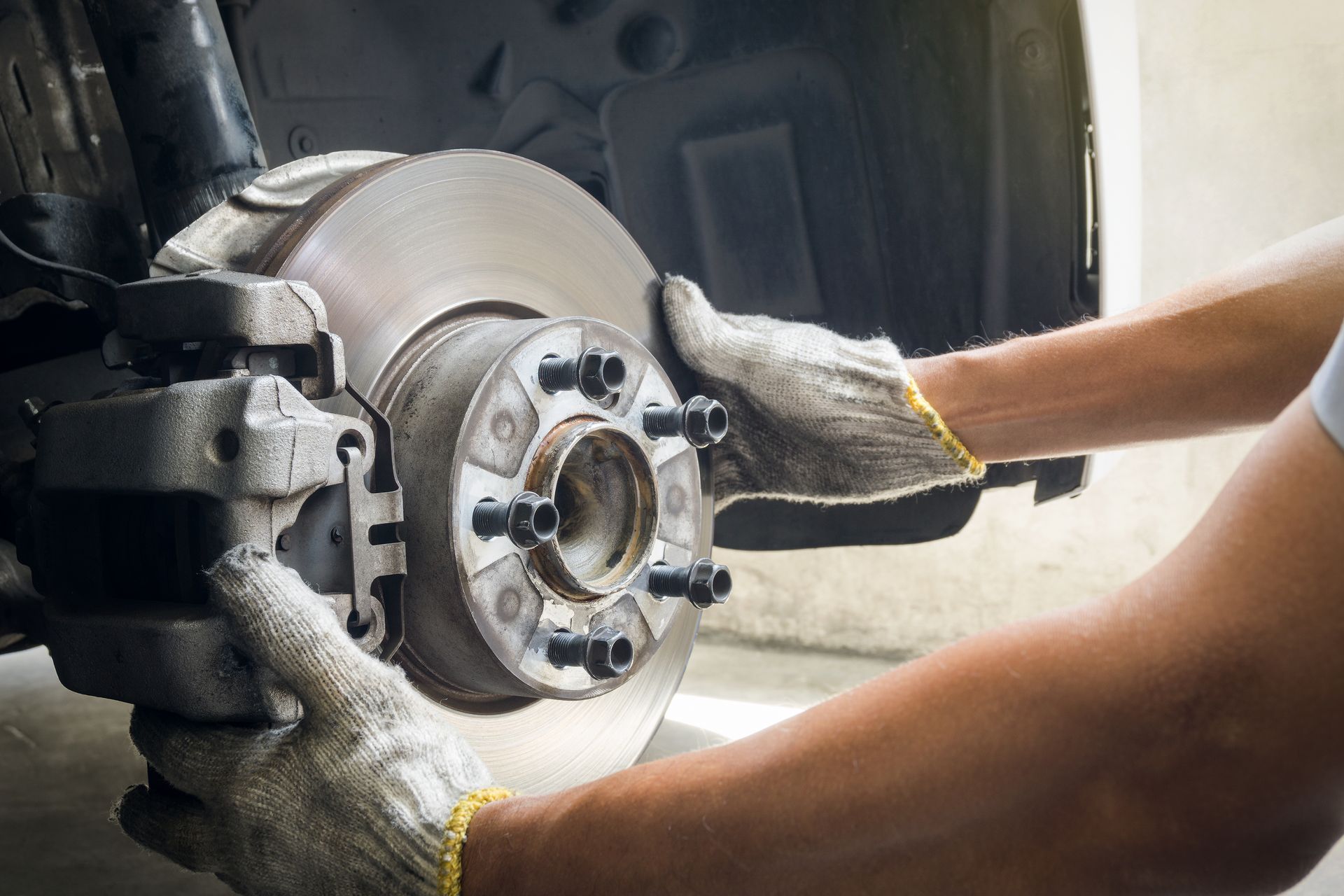
Hybrids use regenerative braking, which means the electric motor helps slow the car and recaptures energy. That reduces pad wear in many cases, so brake pads can last longer. The tradeoff is that brakes can develop rotor surface rust and sticking issues because friction braking is used less aggressively and sometimes less often.
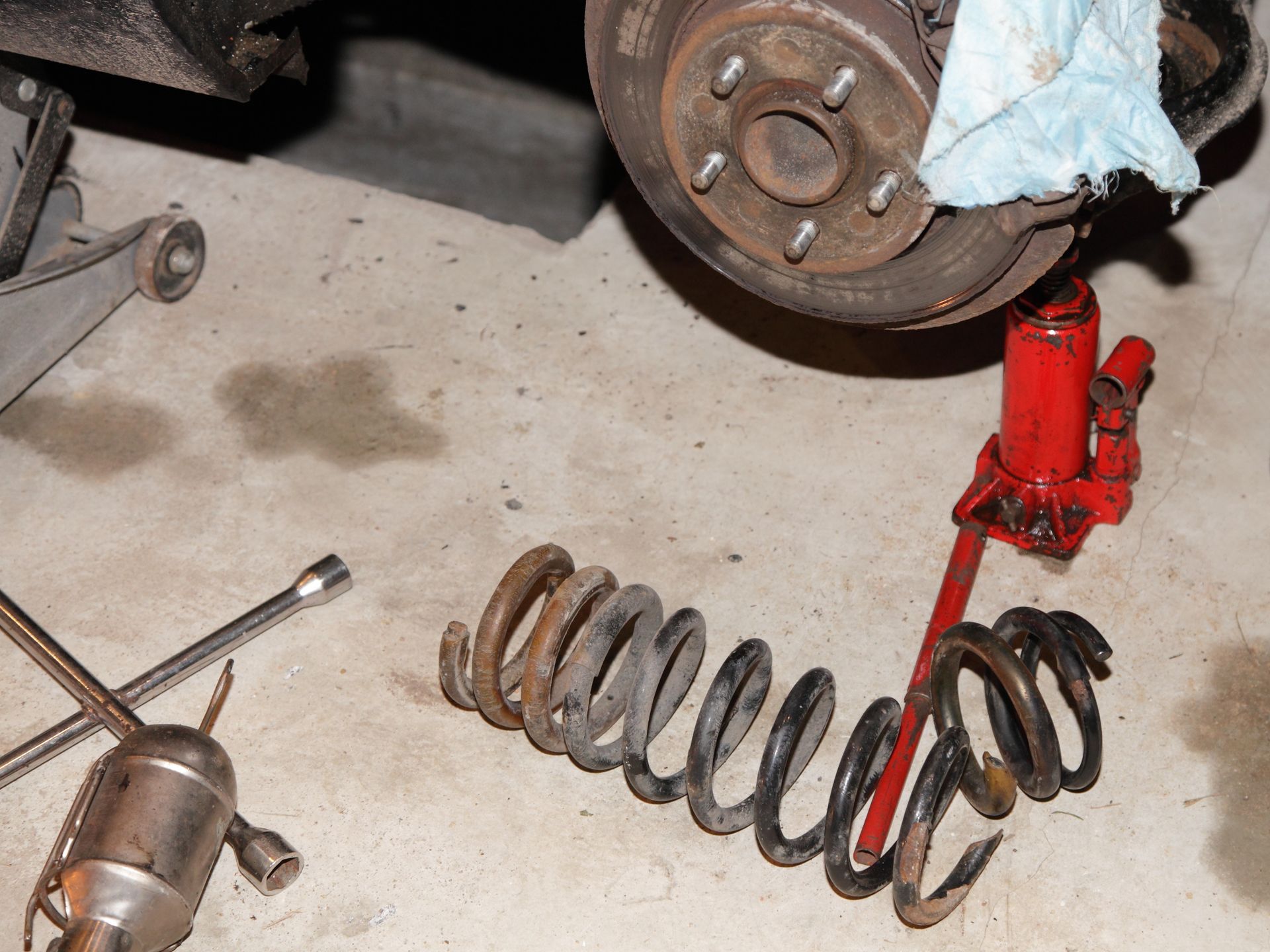
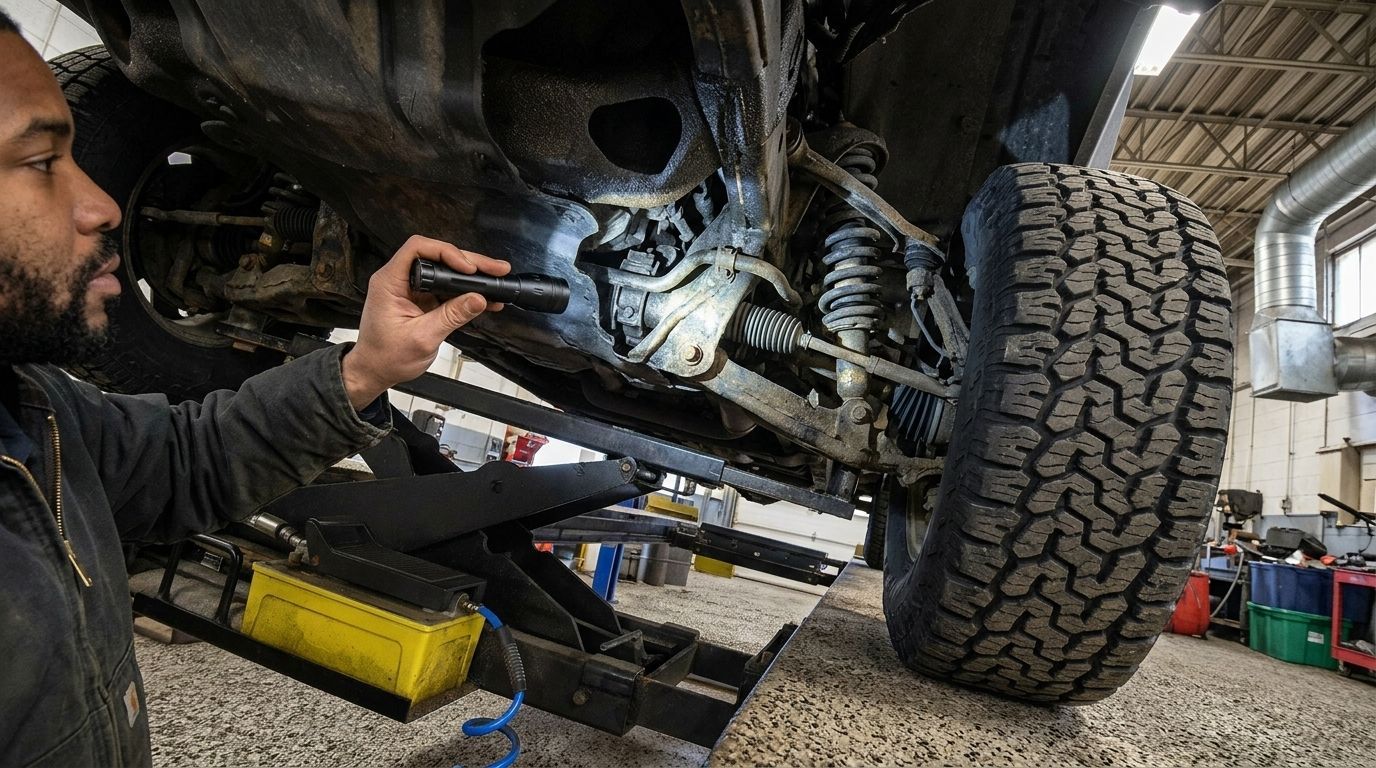
This is where inspections matter. We check pad thickness, but we also check caliper slide movement and rotor surfaces for rust buildup and uneven contact. If the car sits, or if it is driven gently most of the time, brake hardware can get stiff and cause noise or uneven braking later.
Hybrid Cooling Systems And Fluids
Many hybrids have more than one cooling circuit, including cooling for the inverter or power electronics. That means coolant service is not always the same as a gas-only car, and the correct coolant type matters. If the hybrid cooling side is not healthy, the car may limit power or set warnings that feel random.
Keeping coolant at the correct level and servicing it at the right interval helps protect expensive components. During an inspection, we look for seepage, check fan operation, and confirm the system is holding pressure. Coolant problems are easier to handle early than after repeated overheating events.
Transmission And Drivetrain Service
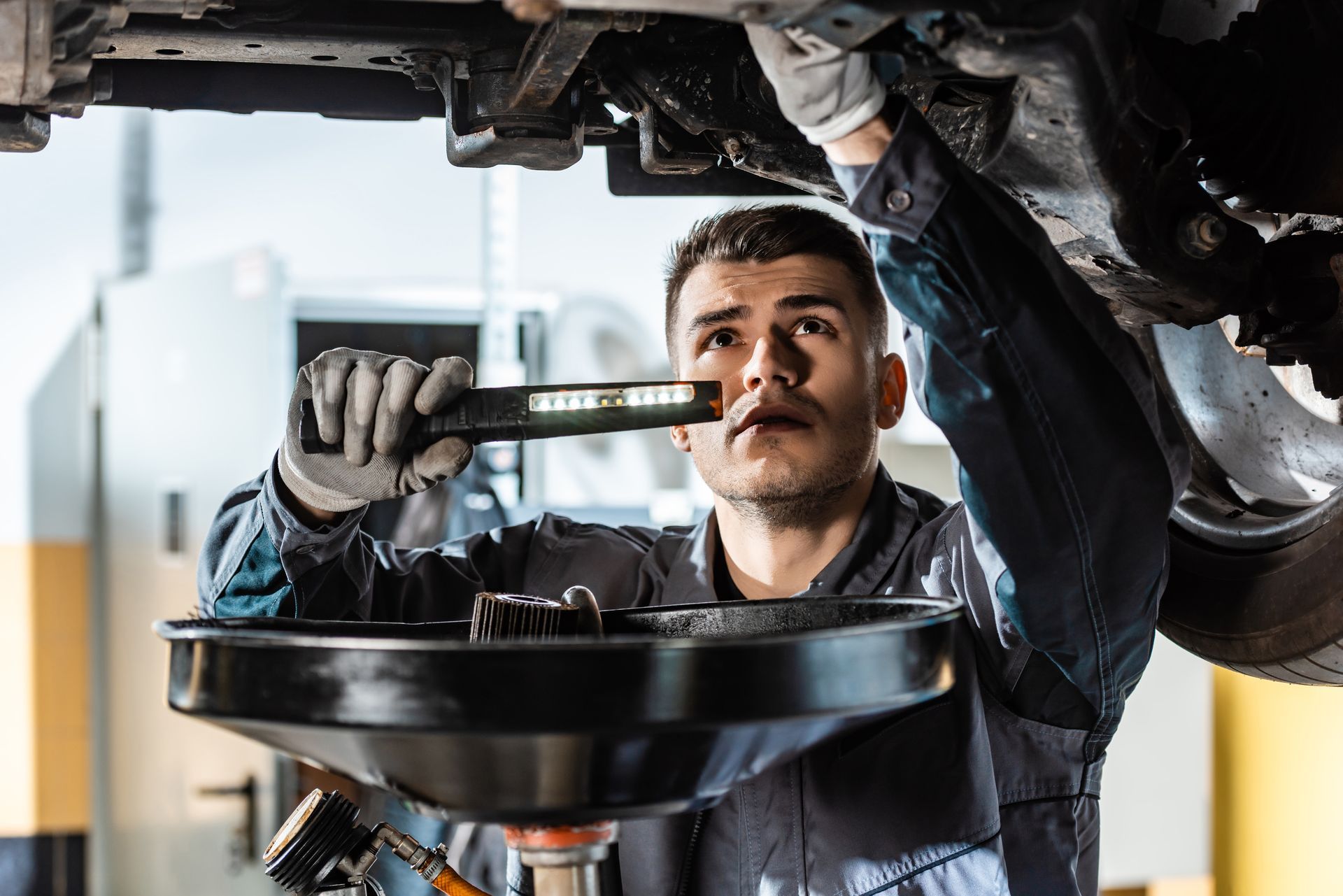
Many hybrids use a different type of transmission or transaxle than a traditional automatic. Some use an eCVT setup that relies on electric motor control and gears rather than the same clutch pack behavior as a standard automatic. The fluid still matters because it lubricates and manages heat. Ignoring it can shorten life.
The interval depends on the model and driving conditions, but it is smart to follow the manufacturer's schedule and adjust if you do lots of stop-and-go, hills, or high heat driving. We also check for leaks because a small seep can be hard to notice and still cause trouble over time.
Battery, Electrical Systems, And Cabin Filters
The hybrid battery is designed to last, but the rest of the electrical system still needs attention. The 12-volt battery is the most common maintenance-related electrical weak point. A tired 12-volt battery can cause no-start conditions, warning lights, and erratic electronics.
Cabin air filters are also worth staying on top of, especially in hybrids with strong HVAC use in traffic. A restricted cabin filter reduces airflow, makes the A/C and heat work harder, and can make the car feel less comfortable even if the system is fine. Keeping it fresh is simple and helps the rest of the system work better.
A Practical Hybrid Maintenance Rhythm
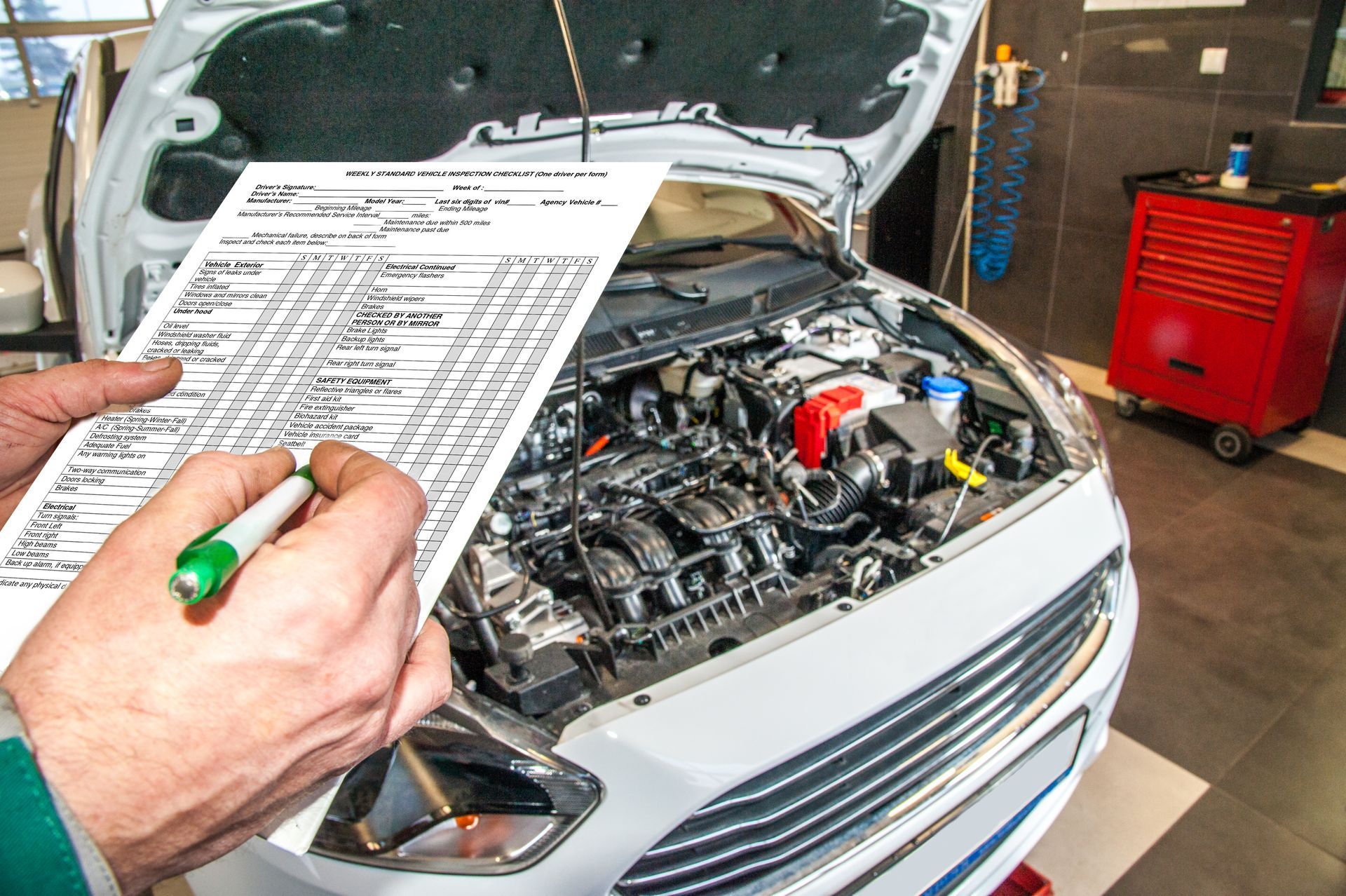
Instead of thinking of hybrids as completely different, think of them as gas cars with additional systems that need periodic checks. Most owners do best with a simple rhythm: oil service on schedule, inspections for brakes and suspension, and periodic checks of coolant circuits and drivetrain fluid. That covers the big risks without turning ownership into a science project.
This is also where regular maintenance helps you avoid false alarms. Many hybrid warnings are triggered by voltage or cooling issues that started small. Keeping the basics tight prevents those issues from building into bigger repairs.
Get Hybrid Maintenance In Campbell, CA, With Autotrend Auto Repair
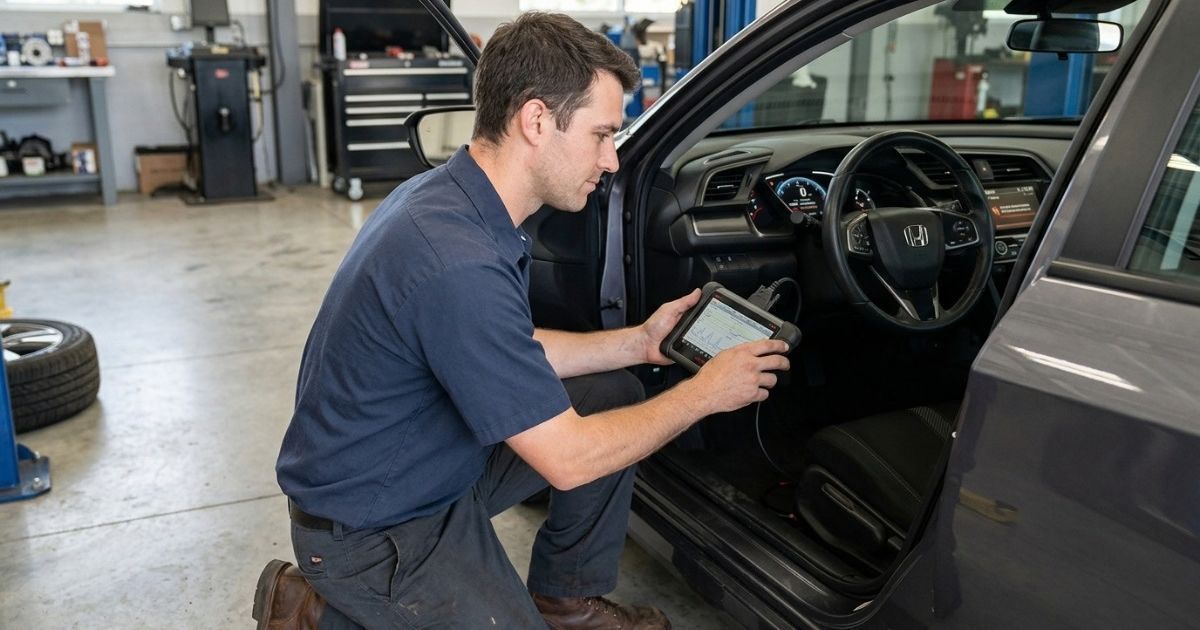
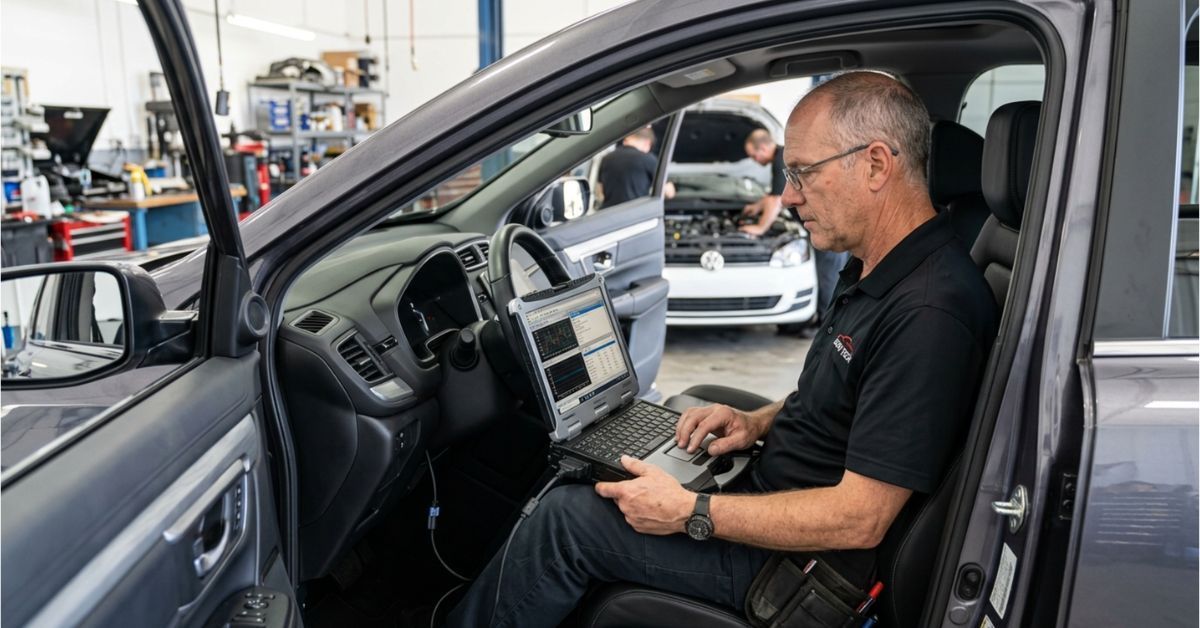
If you want a clear hybrid maintenance plan that fits how you drive, Autotrend Auto Repair in Campbell, CA, can check the engine side, hybrid cooling systems, brakes, and drivetrain fluid needs and help you prioritize what should be done next. We will also test the 12-volt battery and look for early wear patterns so you are not surprised by warning lights later.
Book a visit and leave with a schedule you can actually follow.