
Hybrid Battery Truths for Prius & Honda Insight Owners in Campbell, CA (Hybrid Diagnostics You Can Trust)
If you drive a Prius, Honda Insight, or Lexus hybrid around Campbell and San Jose, you’ve probably had this moment: the MPG drops a bit, a warning light flickers on, or you hear a fan noise you can’t place. Suddenly, you’re wondering if the hybrid battery is “going out” and what that really means.
Here’s the truth. Most hybrid issues do not start with a dramatic failure. They start with small performance changes, heat-related stress, or a system that needs accurate testing instead of guesswork.
At Autotrend Auto Repair in Campbell, the focus is on hybrid system diagnostics and clear next steps, not vague assumptions. They even call out hybrid-specific diagnostics and high-voltage system know-how on their Hybrid Services page.
What your hybrid battery actually does (and what it doesn’t)
Your hybrid battery’s main job is to support the gas engine. It helps with launch, acceleration assist, regenerative braking, and efficient stop-and-go driving. It’s a teamwork system: engine + electric motor + battery + computers that manage everything.
Two important clarifications:
- A hybrid battery is not the same situation as a full EV battery.
- A warning light does not automatically mean “battery replacement.”
That’s why the smartest move is to diagnose the system as a whole, not jump straight to the biggest and most expensive conclusion.
Realistic hybrid battery lifespan expectations
Most hybrid owners want one honest answer: “How long will it last?”
A realistic answer is: it depends, but not in a frustrating way. A few predictable factors shape a hybrid battery’s lifespan:
- Heat exposure (hot days, parked outdoors, long warm commutes)
- Age (time matters as much as mileage)
- Driving pattern (stop-and-go vs smooth highway cruising)
- Cooling airflow (blocked vents or a dirty fan reduces battery comfort)
- Overall vehicle condition (charging system, engine misfires, sensor issues)
The key point: battery decline is often gradual. With the right diagnostics, you can usually understand whether you’re seeing normal aging, a cooling/airflow issue, or a problem in the hybrid control system that needs attention.
Early signs your hybrid system needs attention (before it becomes a bigger repair)
Hybrid problems often show up as “soft symptoms” first. If you notice one of these, it’s worth scheduling hybrid diagnostics in Campbell, CA instead of waiting for it to worsen.
Common early warnings:
- MPG drop that doesn’t match your routine
Weather can affect MPG, but a persistent drop can point to battery performance, sensor issues, or engine efficiency problems. - Battery fan noise you didn’t notice before
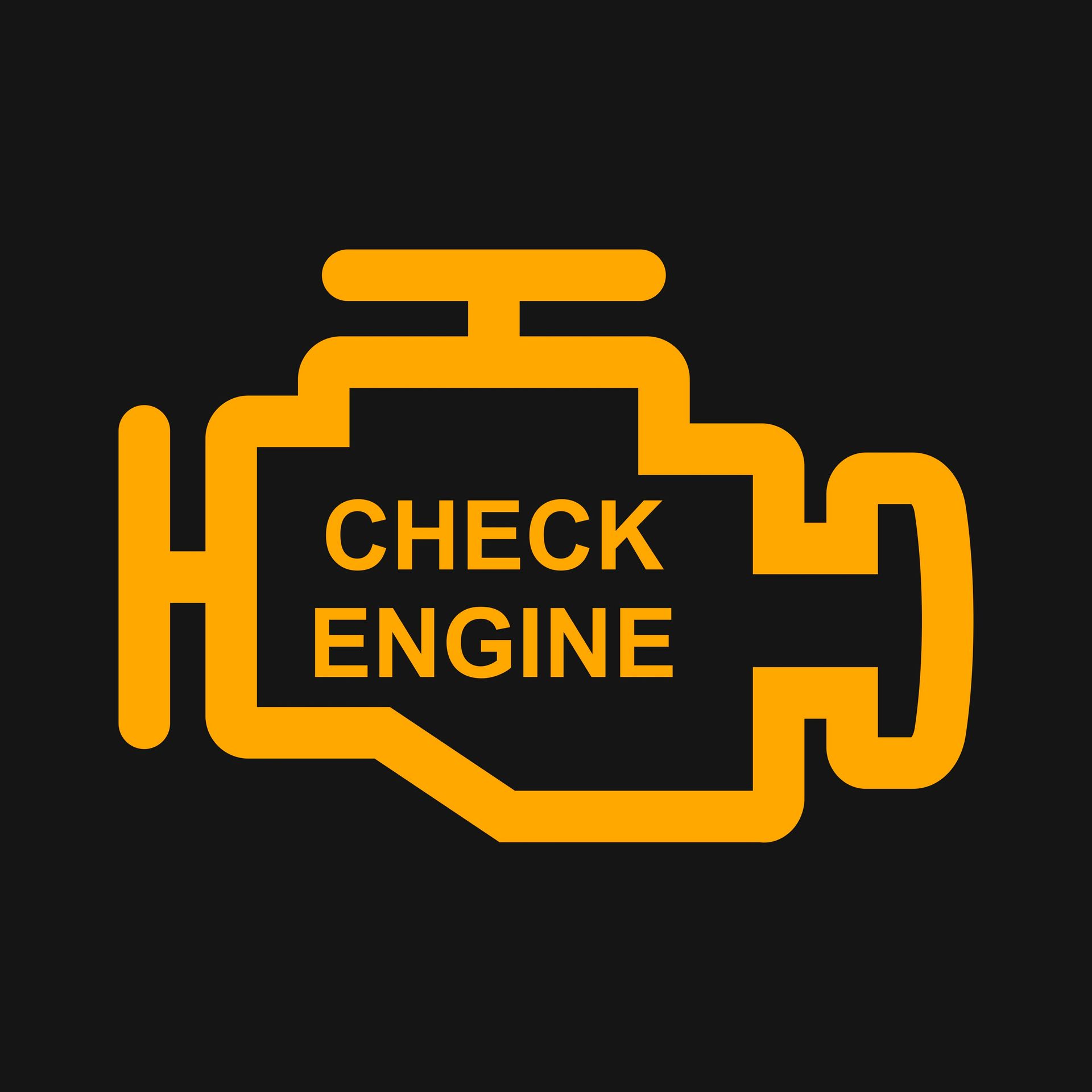
Some fan noise is normal, but louder or more frequent fan operation can indicate the battery is working harder than it should. - Hybrid system warning light or check engine light
The light is a message, not the answer. The stored data is what tells the story. - Sluggish acceleration or “reduced power” feeling
Sometimes this is battery-related, sometimes it’s engine-related, and sometimes it’s a control system issue. - Engine running more often at stops
Hybrids are supposed to manage engine run-time efficiently. If the engine is running more than normal, something in the system may be compensating. - Inconsistent battery charge behavior
Big swings in state-of-charge can happen for normal reasons, but repeated unusual patterns deserve a real diagnostic check.
The “why this matters” part is simple: when hybrids compensate for a problem, they can stress other components. Getting accurate answers early keeps the repair plan smaller and clearer.
The cooling fan truth most owners miss
One of the most overlooked hybrid battery truths is this: battery comfort matters, and comfort is heavily tied to airflow.
Many hybrids use a cooling fan and ducting that pulls cabin air through the battery area. Over time, that airflow path can collect:
- Dust and lint
- Pet hair
- Debris that restricts vents
Restricted airflow makes the battery run hotter. Heat is one of the biggest stressors for hybrid battery longevity.
What you can do without tools
- Keep the cabin clean, especially if you have pets.
- Don’t block interior vents or intake grilles (often near the rear seat area, depending on model).
- If you notice a sudden increase in fan noise, don’t ignore it.
What a shop checks
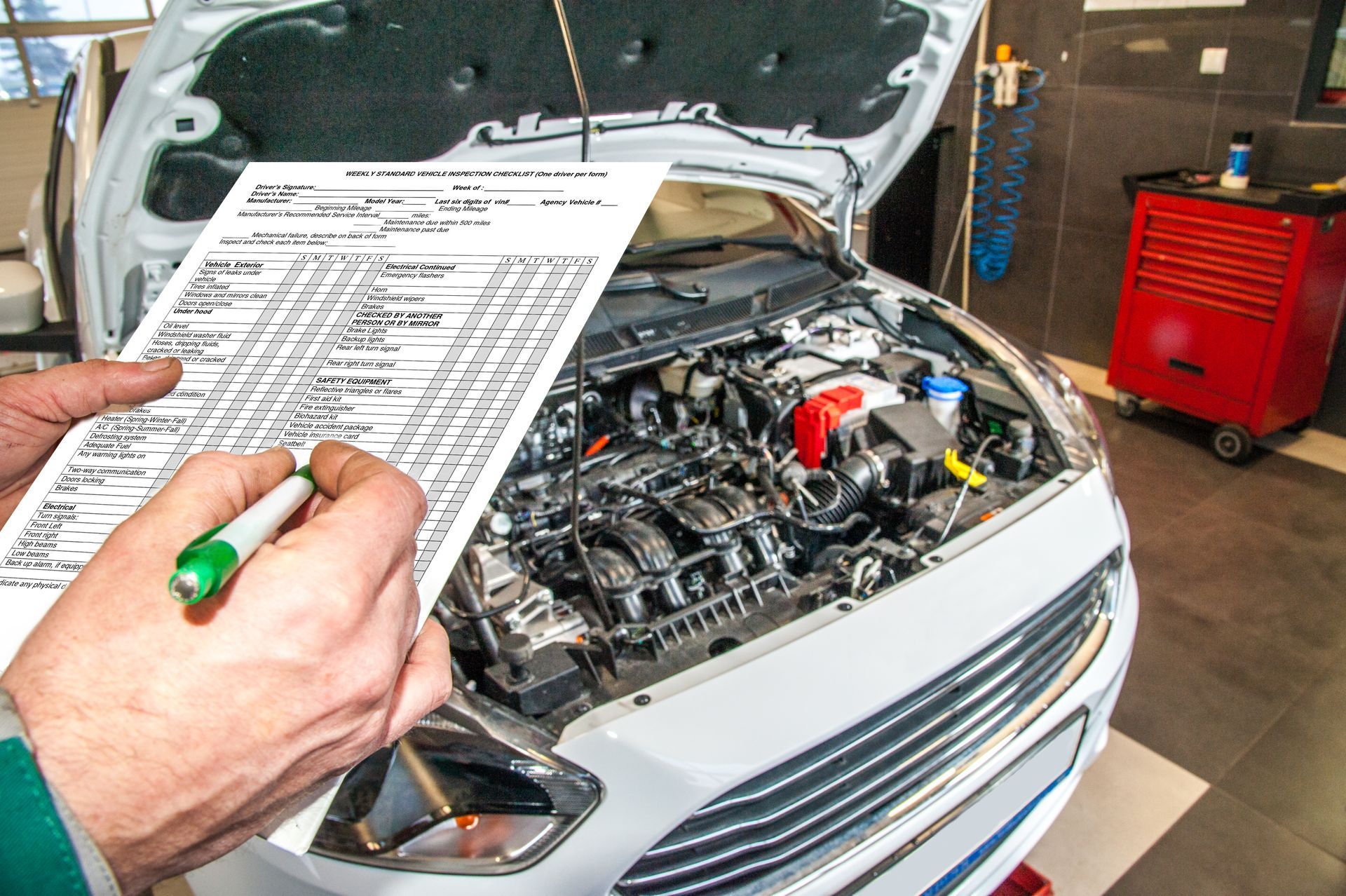
A proper hybrid inspection looks at whether cooling airflow is doing what it should, and whether the fan and ducting are contributing to battery stress. This is exactly the kind of detail that separates real hybrid diagnostics from “parts guessing.”
If you want to see how Autotrend positions their hybrid expertise, here’s their hybrid services page:
https://www.autotrendautorepair.com/services/hybrid-services-in-campbell-ca
Battery conditioning vs battery replacement: what’s legit and what’s hype
You’ll see a lot of internet talk about “hybrid battery conditioning.” Some of it is helpful. Some of it is unrealistic.
Here’s the balanced view:
When battery conditioning can make sense
Battery conditioning is sometimes used when a battery is showing an imbalance or performance drift, and the goal is to stabilize performance and improve drivability. In certain cases, it can help you get more usable life out of a battery that isn’t truly at the end of its life yet.
When it won’t help
If a battery has significant internal deterioration or repeated failures across multiple areas, conditioning is not a magic reset button. At that point, the only honest answer may be repair strategies that fit the real condition of the battery and system.
The big truth: conditioning should follow diagnostics, not replace it. The “right” plan depends on what the hybrid data shows, not what a forum thread suggests.
Prius, Honda Insight, and Lexus hybrids: what tends to show up
Every model family has patterns, but the symptoms still overlap. The difference is how the data points and system behavior are presented.
Prius owners
Prius drivers often notice changes in MPG first, especially if they drive a lot of stop-and-go. Fan noise, warning lights, or a “different” feel at low speeds are also common reasons people book a hybrid diagnostic.
Honda Insight owners
Insights can show similar “efficiency changes” and warning light concerns. Because these symptoms can come from more than one system, it’s especially important not to jump straight to battery conclusions without testing.
Lexus hybrid owners
Lexus hybrids are typically smooth, so when something feels off, it stands out. Owners often describe subtle performance shifts, warning messages, or a change in how the vehicle transitions between electric assist and engine power.
The shared truth across all three: hybrid diagnostics needs to look at the whole system (battery performance, control data, related engine and electrical factors), not just one code or one part.
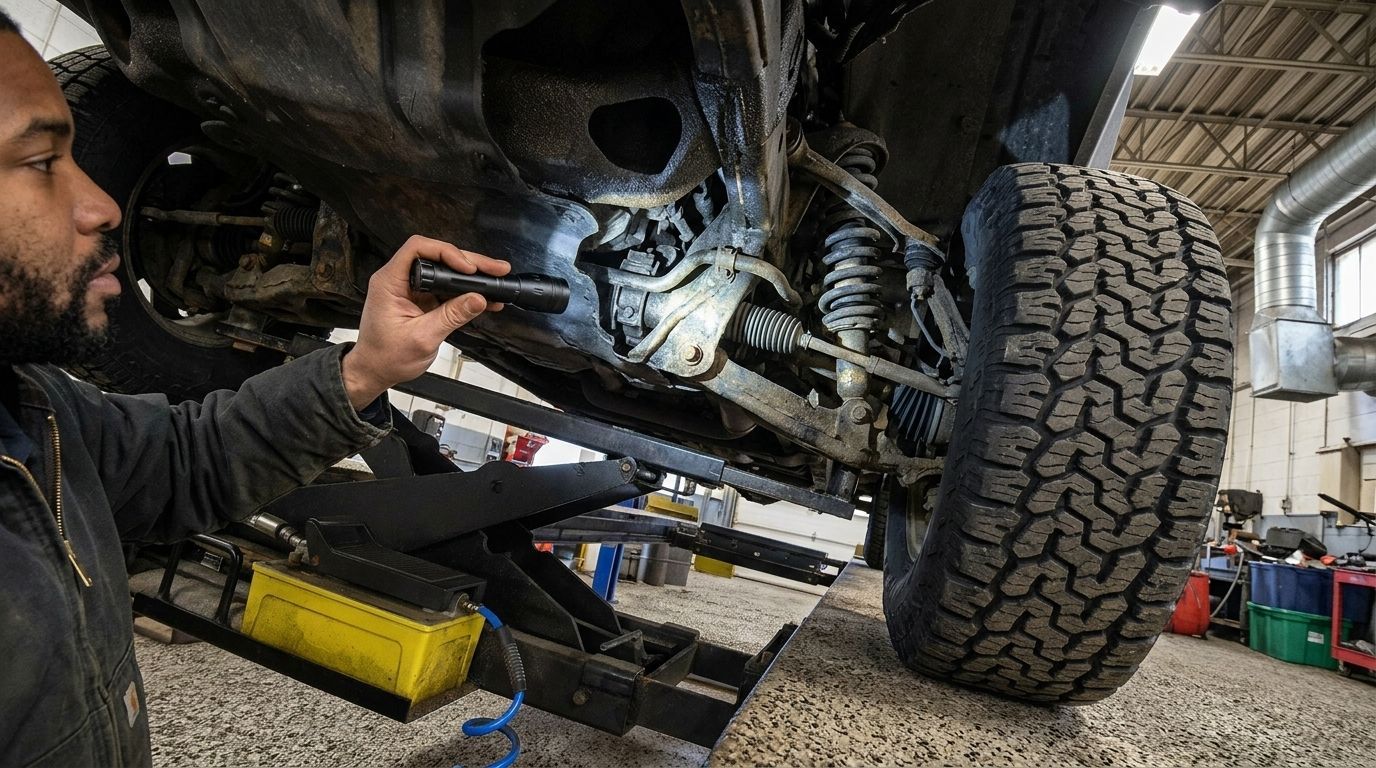
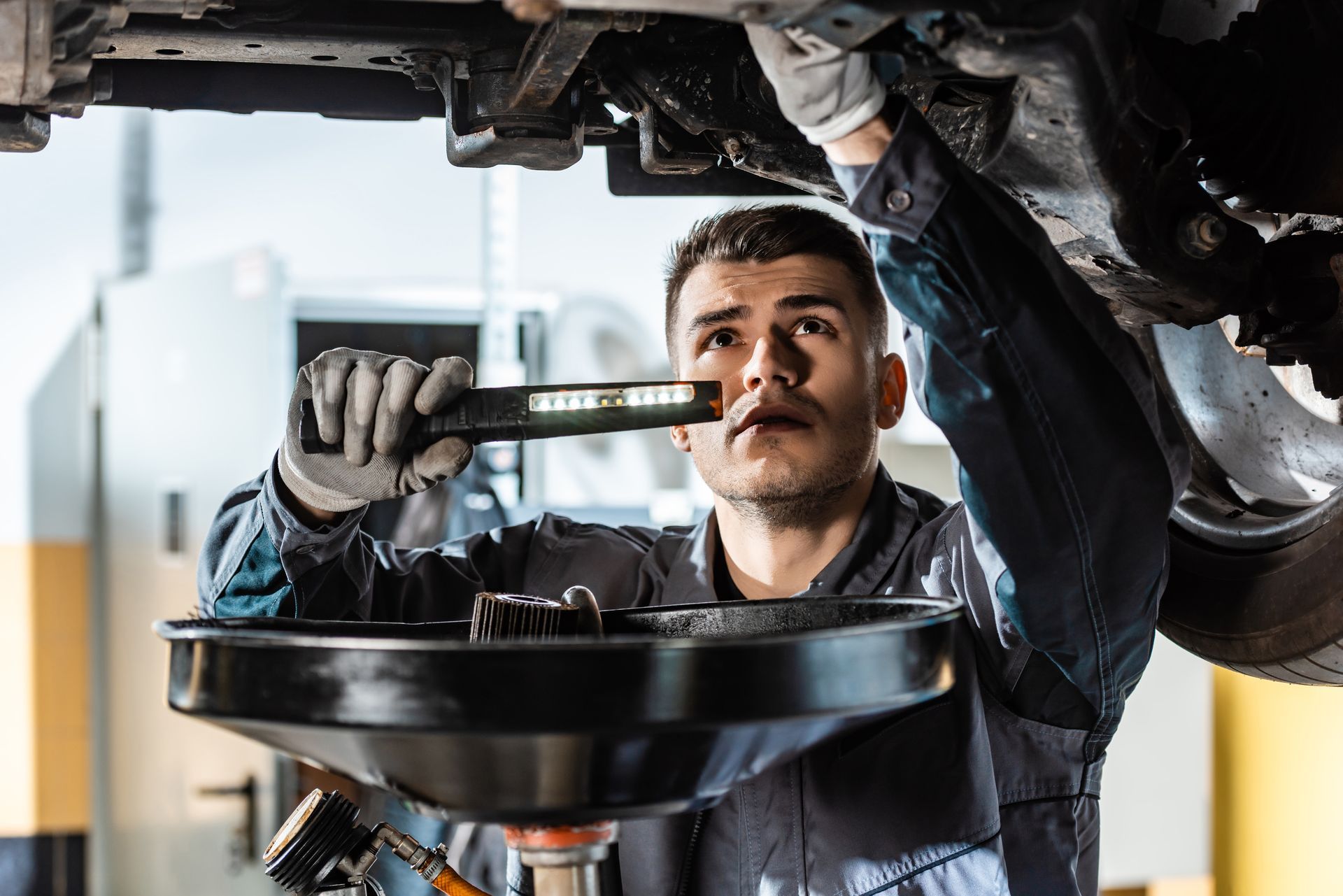
What a proper hybrid system diagnostic looks like at Autotrend
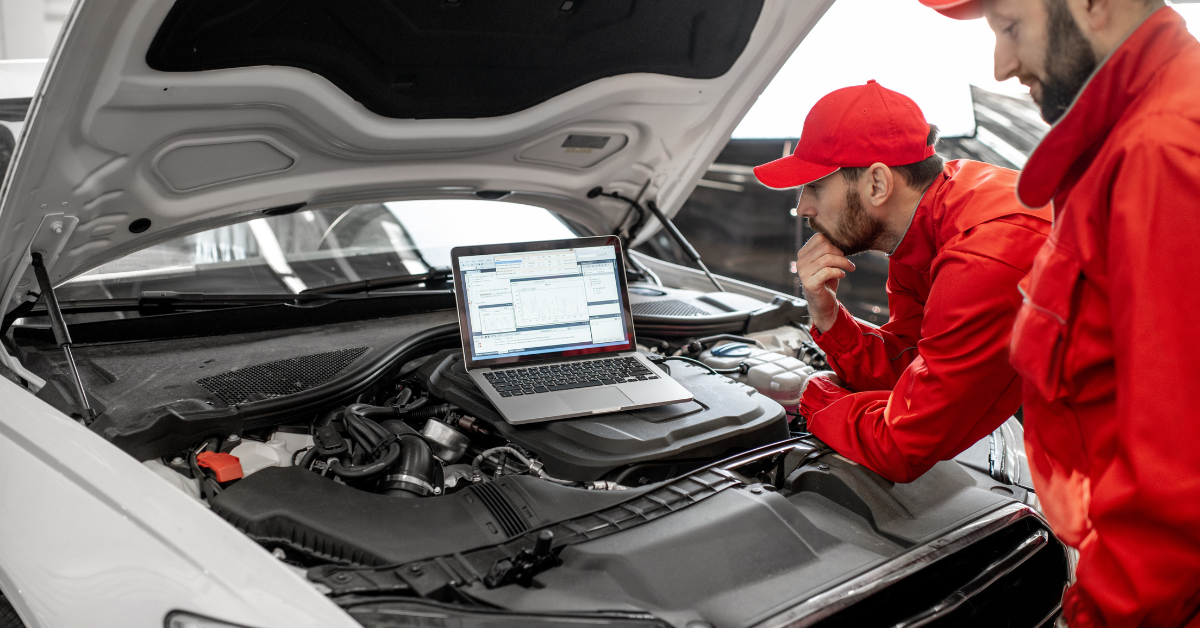
A real diagnostic process is what gives you confidence. Autotrend specifically notes that hybrid diagnostics differ from conventional vehicles and that they understand high-voltage electrical circuits.
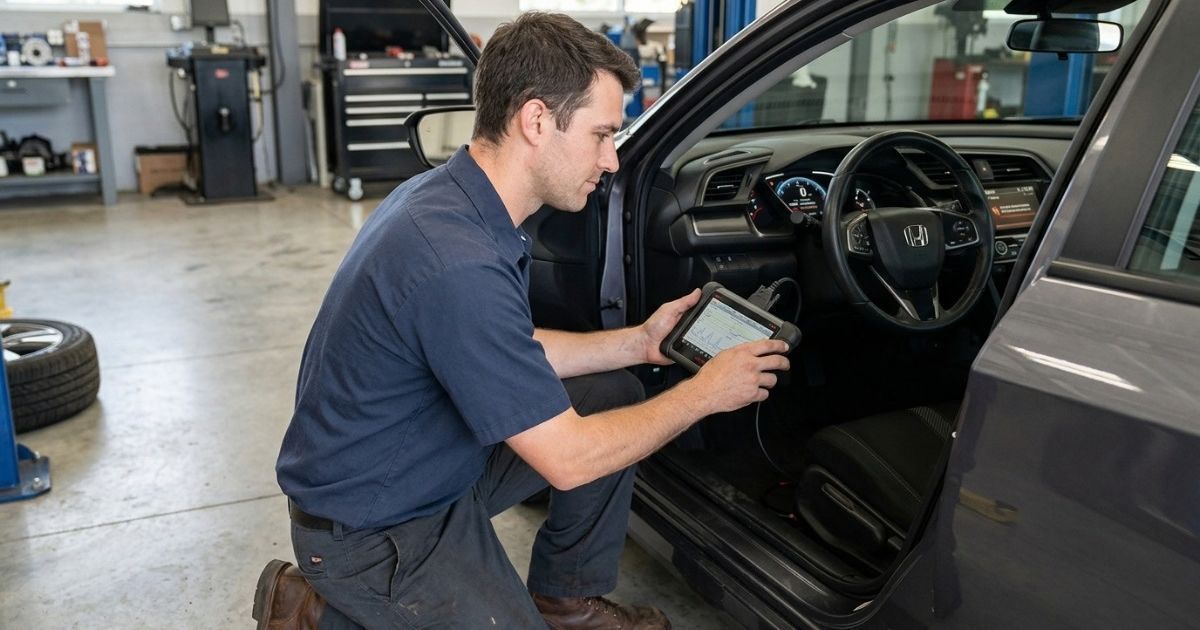
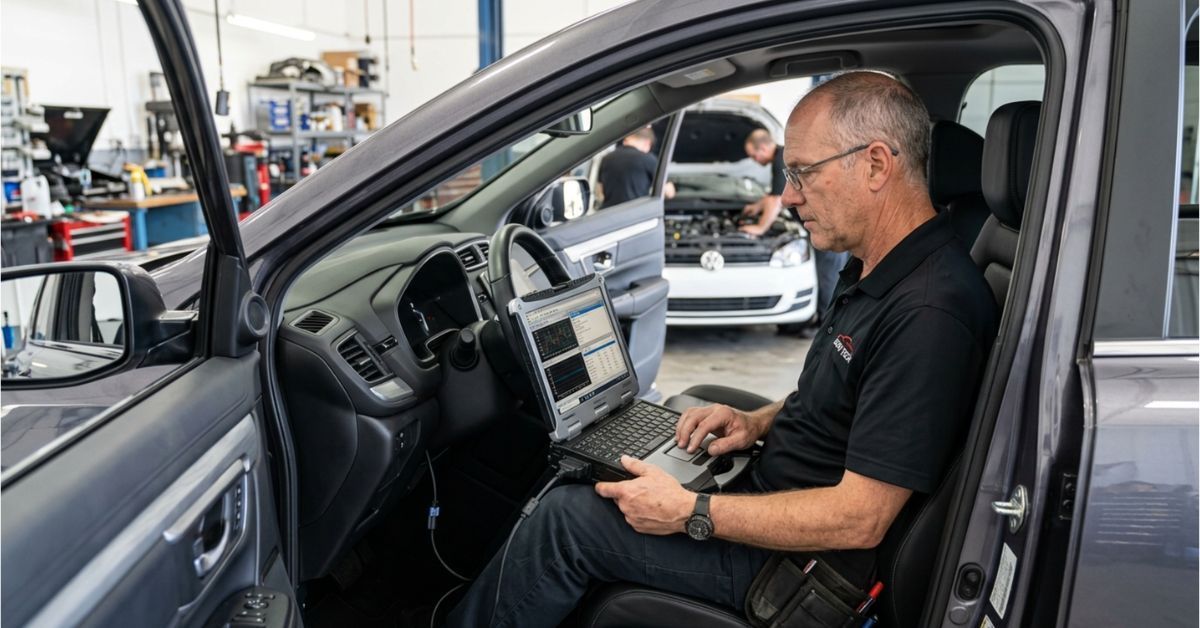
A solid hybrid diagnostic visit usually includes:
- A quick symptom interview
What you’re noticing, when it happens, and what’s changed recently. - Scan + data review
Not just “reading a code,” but reviewing the data the hybrid system stores. - Targeted testing
Testing the likely causes based on what the system is reporting. - Cooling and related system checks (when relevant)
Because airflow and heat management can heavily influence hybrid battery behavior. - Clear explanation and options
You should leave with a plan that matches the facts, not a guess.
When it’s safe to keep driving and when to book service now
Hybrids can sometimes feel “okay” even when something is building in the background. Use these calm rules of thumb:
Book service soon (don’t panic, but don’t delay):
- MPG drop that keeps getting worse
- Fan noise is increasing over time
- Occasional warning light that returns
- Performance feels slightly off but consistent
Book service now (stop taking chances):
- Warning light plus reduced power
- Multiple warning lights at once
- Vehicle feels unsafe, unpredictable, or overheats
- Warning messages that change how the car drives
The reason is simple: diagnosing early often prevents expensive chain reactions.
Frequently Asked Questions
Do you perform hybrid diagnostics in Campbell, CA, for Prius, Insight, and Lexus hybrids?
Yes. Autotrend offers hybrid services in Campbell and notes that hybrid diagnostics require a specialized understanding compared to conventional vehicles.
Does a “hybrid system warning” always mean the battery is failing?
Not always. It can relate to battery performance, cooling, sensors, or other control-system issues. Diagnostics confirm the true cause.
Can cleaning the hybrid battery cooling fan help?
In some cases, yes. If airflow is restricted by dust or pet hair, improving airflow can reduce heat stress. The right approach depends on inspection and model design.
Is hybrid battery conditioning worth it?
Sometimes. If diagnostics show imbalance or performance drift, conditioning may help stabilize performance. If the battery is truly at the end of its life, conditioning may not deliver meaningful results.
How long does hybrid diagnostics take?
It depends on the symptoms and what the system data shows. The value is in testing the right areas, not rushing to a conclusion.
What’s one simple habit that can help hybrid battery health in Campbell?
Heat management matters. Keeping airflow paths clear and addressing warning lights early can prevent the system from running hotter than it should, especially in warm weather and stop-and-go traffic.
Hybrid diagnostics in Campbell, CA: schedule the right next step
If you drive a Prius, Honda Insight, or Lexus hybrid and you’re seeing warning lights, MPG changes, or unusual fan noise, the best next step is a proper hybrid system diagnostic that explains what’s happening and what to do next.
Autotrend Auto Repair is located at 2885 S. Winchester Blvd, Suite F, Campbell, CA 95008, and their site highlights a 3-year / 36,000-mile warranty.
To schedule service or ask a question, reach out here: https://www.autotrendautorepair.com/contact-us