
How To Tell If Your Car Needs Suspension Repair Before It Gets Worse
Suspension wear can be easy to live with at first. The car still turns, stops, and gets through the week, even if the ride feels rougher or the steering feels a little loose. That is why many drivers wait until the noise gets louder or the handling starts feeling clearly wrong.
The suspension does more than keep the ride comfortable. It helps the tires stay planted, keeps steering predictable, and supports the vehicle when braking, cornering, or driving over uneven roads.
The Ride Feels Rougher Than It Used To
A worn suspension often changes the way the car feels before it creates a major noise. You might notice the vehicle hits bumps harder, bounces more after dips, or feels less settled on uneven pavement. The change can happen slowly enough that you get used to it.
Shocks and struts are usually part of that conversation, but they are not the only parts involved. Bushings, mounts, control arms, springs, and links can all affect ride quality. If the car feels tired over roads it used to handle better, the suspension is worth checking.
Clunks, Knocks, And Creaks Are Warning Signs
Suspension noises are usually the point where drivers start paying closer attention. A clunk over bumps, a knock when turning, or a creak when entering a driveway can point toward worn or loose parts. These sounds tend to show up when the suspension moves under load.
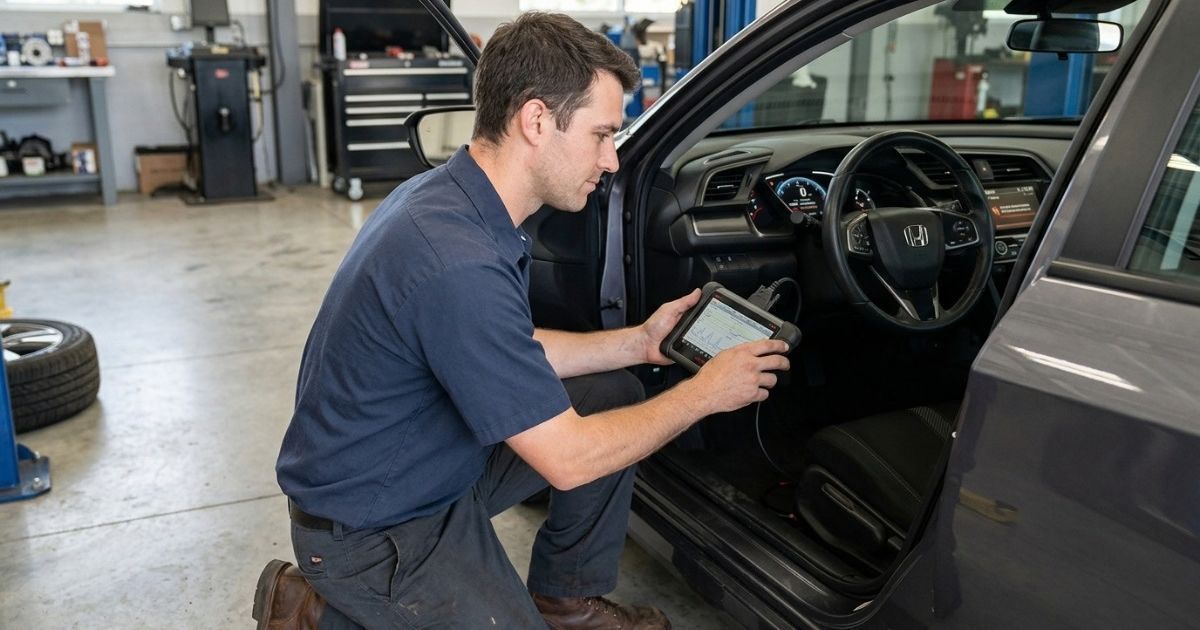
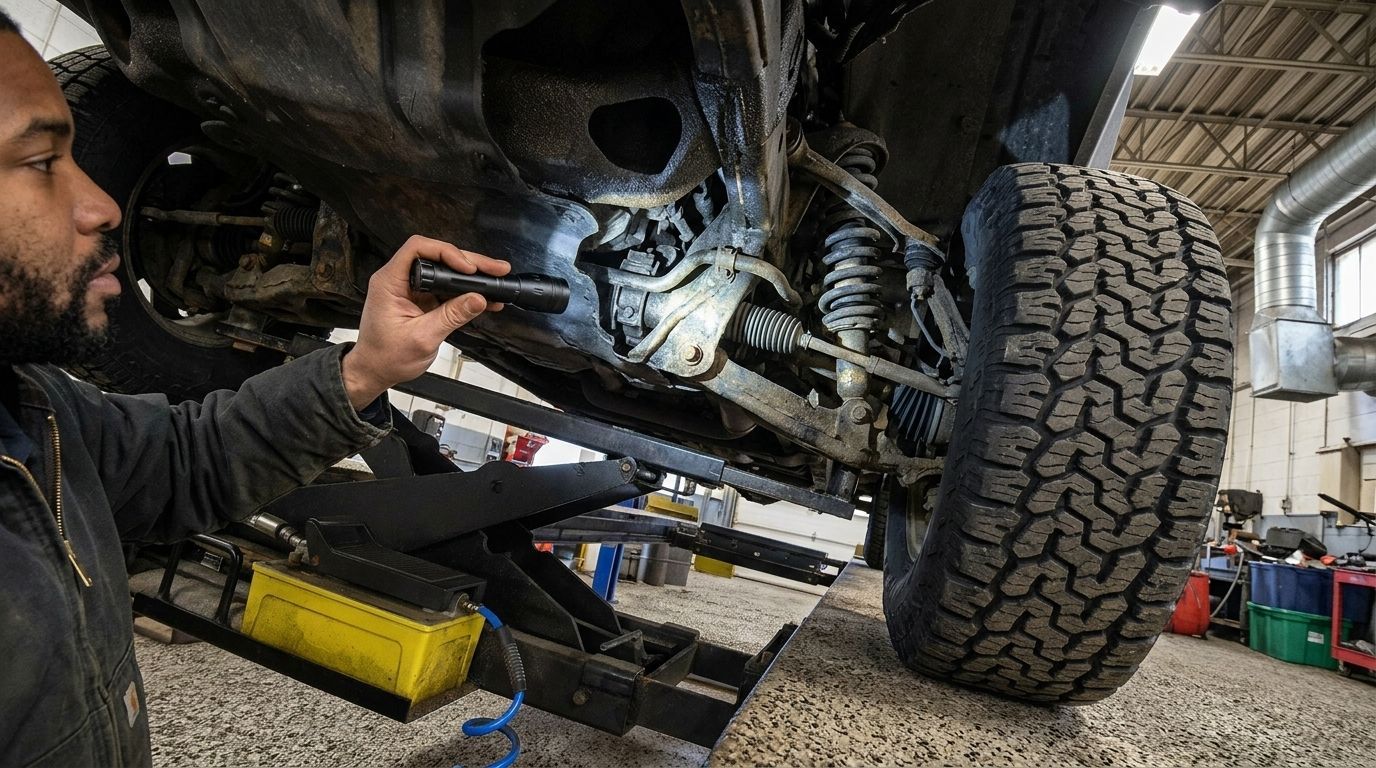
A noise does not always identify the exact part on its own. A worn sway bar link, strut mount, ball joint, control arm bushing, or loose hardware can sound similar from inside the car. Our technicians look for movement, wear, and contact points rather than relying solely on sound.
The Steering Starts Feeling Loose Or Unstable
The steering should feel predictable. If the vehicle starts wandering, drifting, or needing constant small corrections, the suspension and steering systems need attention. A loose feel at highway speed can be especially frustrating because the car no longer feels as steady as it should.
Sometimes the cause is alignment. Other times, the alignment changed because a suspension part is worn. That is an important difference. Adjusting the alignment without fixing the worn part can cause the problem to recur quickly.
Uneven Tire Wear Can Point To Suspension Trouble
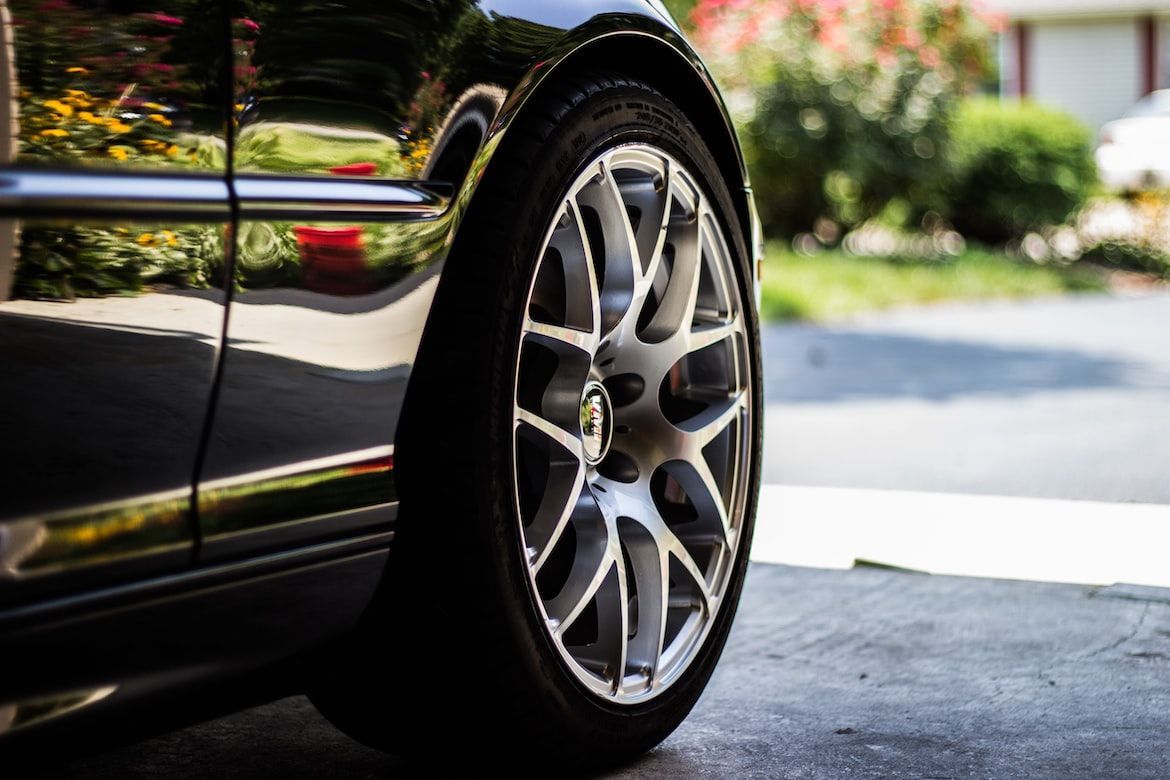
Tires can signal a major handling issue before the driver notices. Uneven tread wear, cupping, feathering, or one tire wearing faster than the others can all point toward suspension, alignment, or tire pressure problems. If the tires are noisy or wear in odd patterns, something is not keeping them in proper contact with the road.
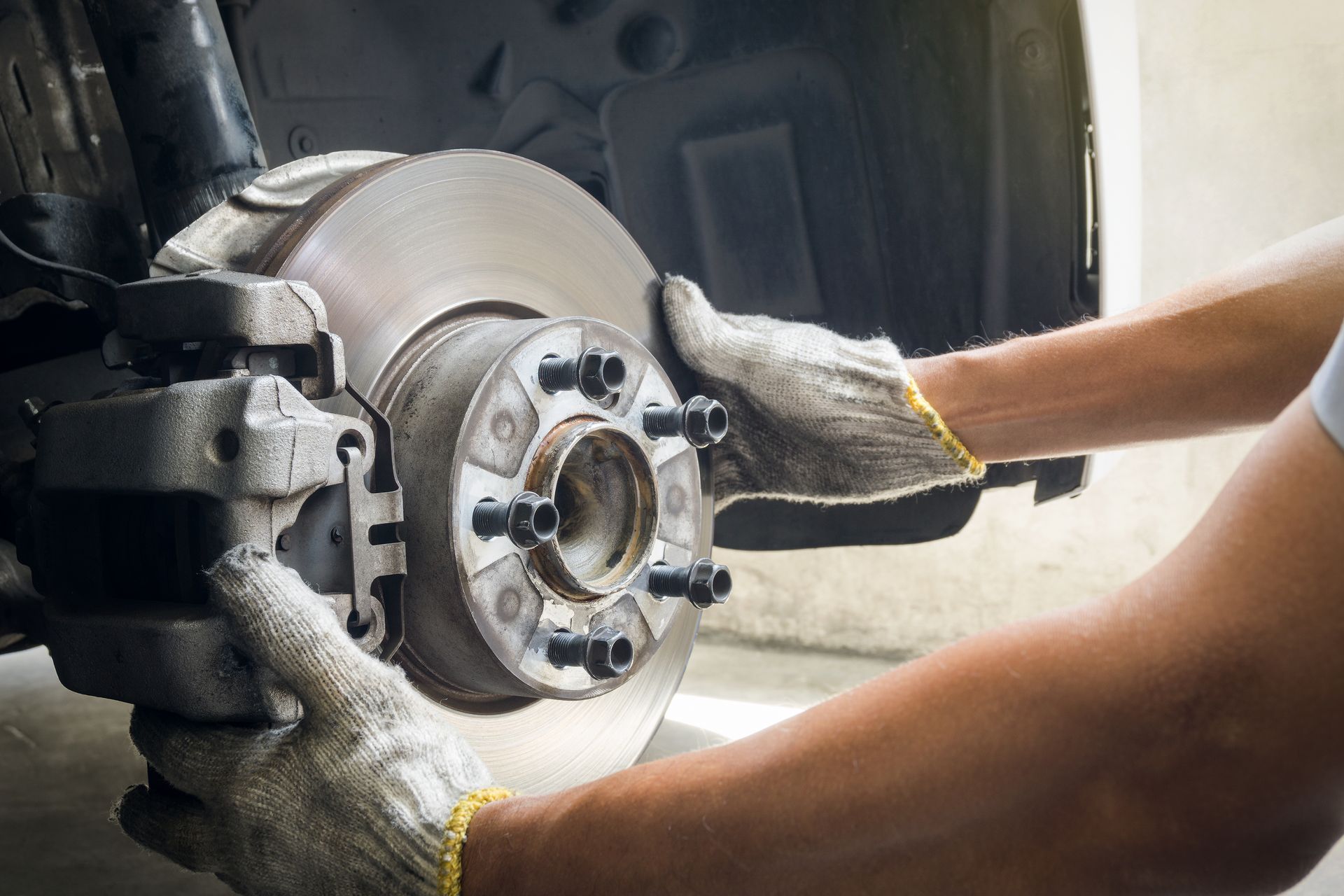
Bad shocks or struts can let the tire bounce slightly instead of staying firmly planted. Worn bushings or ball joints can cause wheel angles to change while driving. Either way, the tires start paying for the suspension problem. Regular maintenance helps catch those patterns before a good set of tires wears out too soon.
The Car Dives, Squats, Or Leans More Than Normal
A vehicle’s weight shifts every time you brake, accelerate, or turn. The suspension is supposed to control that movement. If the front end dives hard while braking, the rear squats during acceleration, or the car leans more in turns, the suspension may be losing control.
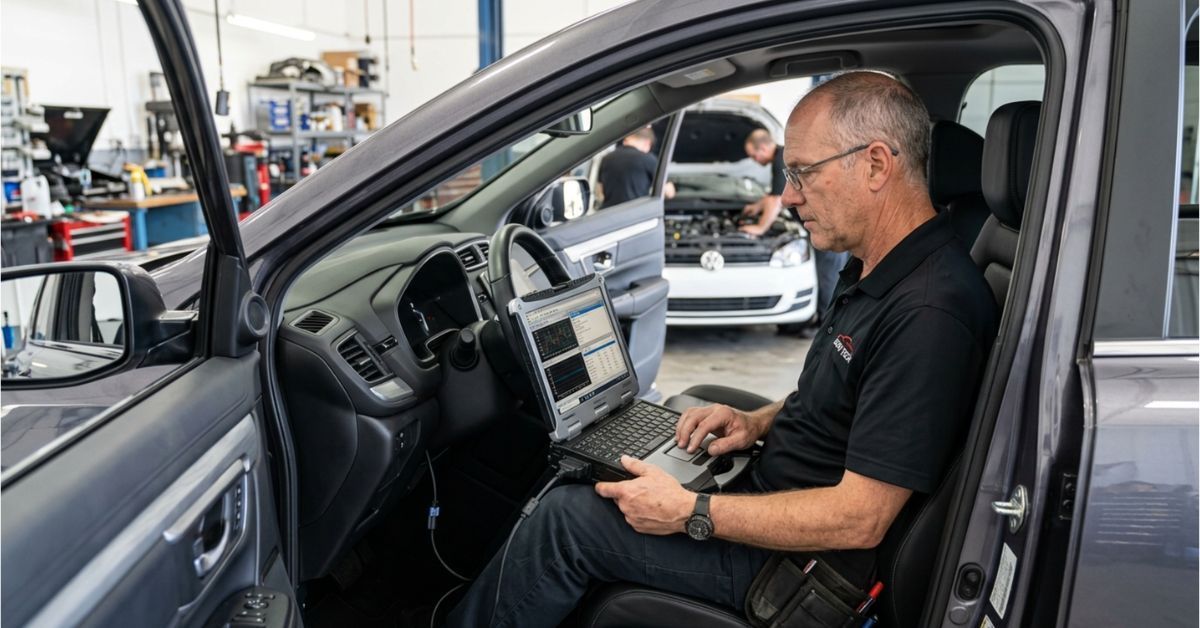
That extra movement can affect more than comfort. It can change how the vehicle responds during quick stops or sudden lane changes. If the car feels slow to settle after a bump or turn, one of our technicians can inspect the shocks, struts, springs, and related parts to see what is no longer holding the vehicle steady.
Potholes And Curbs Can Speed Up Suspension Wear
A hard hit from a pothole or curb can damage suspension parts even if nothing looks broken right away. Wheels, tires, control arms, tie rods, struts, and alignment angles can all take the impact. Sometimes the first sign is a crooked steering wheel. Other times, the car starts pulling, or the tires begin wearing oddly weeks later.
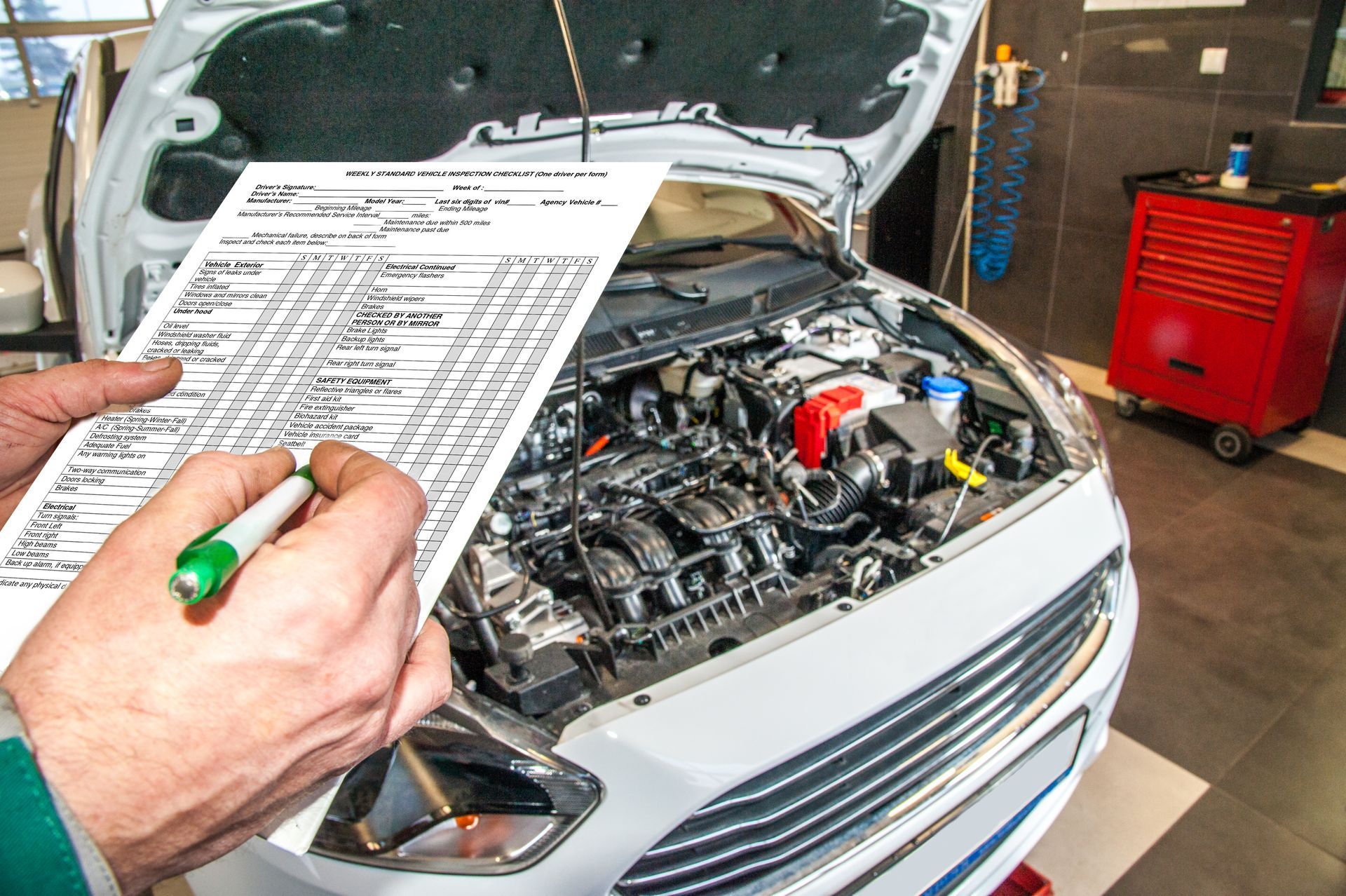
After a hard impact, it is smart to pay attention to new vibrations, clunks, pulling, or steering changes. Those symptoms should not be filed away for later. Small impact damage can lead to bigger tire and suspension problems if the vehicle continues to be driven without an inspection.
Why Early Suspension Repair Saves Money
Suspension parts work together, so one worn part can put extra stress on the rest. A bad strut can wear tires. A loose ball joint can affect steering. A torn bushing can let alignment angles change while the car is moving. The longer the problem persists, the more parts may be pulled into the repair.
Catching suspension wear early usually keeps the repair more focused. It also protects tires, improves braking stability, and helps the vehicle feel safer and more controlled. If the car has started feeling different, the best time to check it is before the symptom becomes impossible to ignore.
Get Suspension Repair In Campbell, CA, With Autotrend Auto Repair
If your car is clunking, bouncing, pulling, wearing tires unevenly, or feeling less stable than it used to, Autotrend Auto Repair in Campbell, CA, can check the suspension and find the source of the problem.
Bring it in while the warning signs are still clear and before worn suspension starts affecting tires, steering, and control.