
What Are The Car Filters That Affect Airflow, Fuel Economy, Engine Wear, and Cabin Comfort?
Car filters are small parts that do quiet work every time you drive. They do not make noise, flash warning lights, or usually give a single clear symptom when they get dirty. That is why they are so easy to forget until the car starts feeling weaker, smelling musty, using more fuel, or needing repairs that could have been avoided.
Different filters protect different parts of the vehicle. Some help the engine breathe. Some keep oil or fuel cleaner. One keeps the cabin air more comfortable. When these filters are ignored, the effects can show up in performance, efficiency, engine wear, and daily driving comfort.
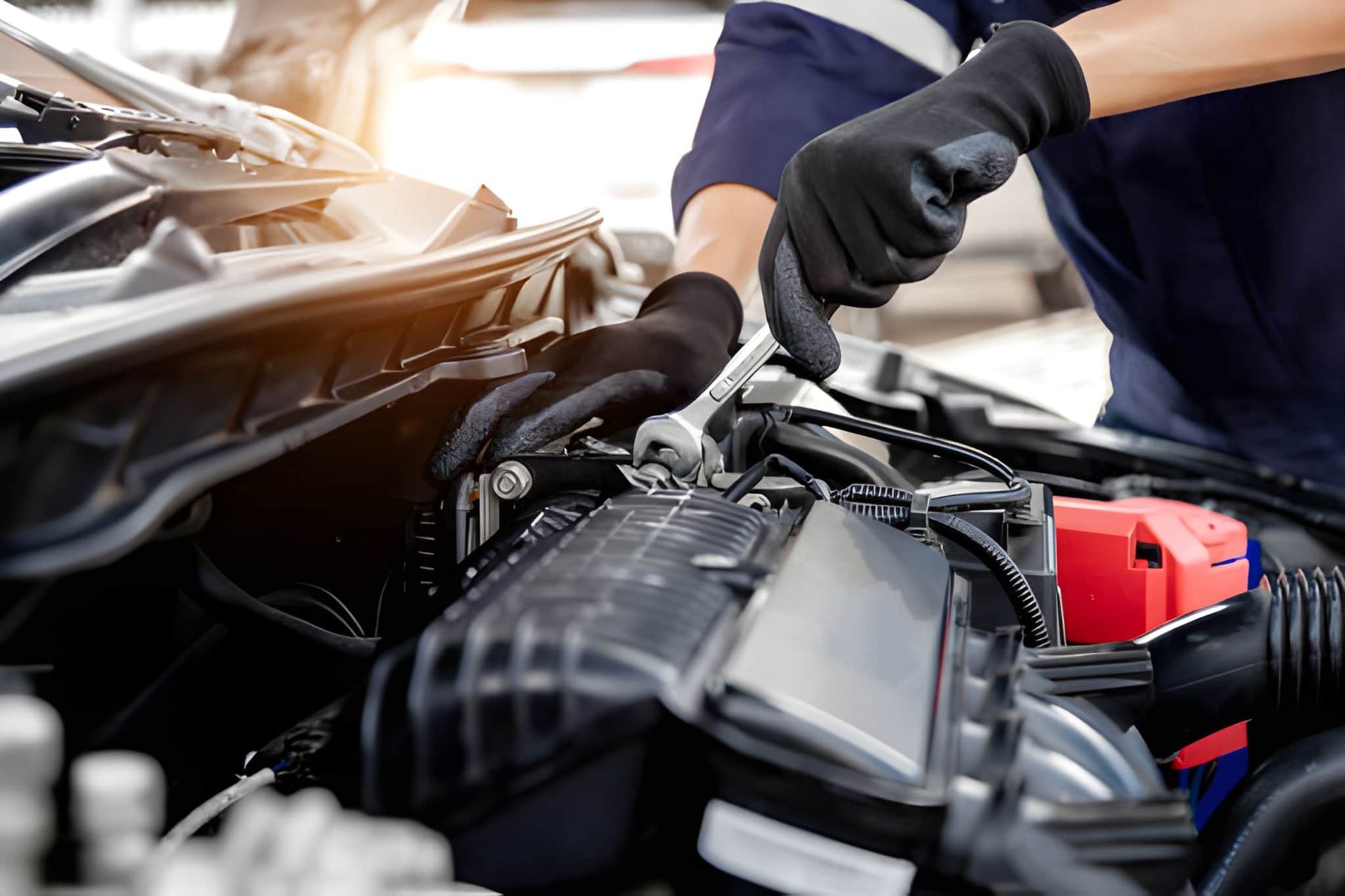
Engine Air Filter And Airflow
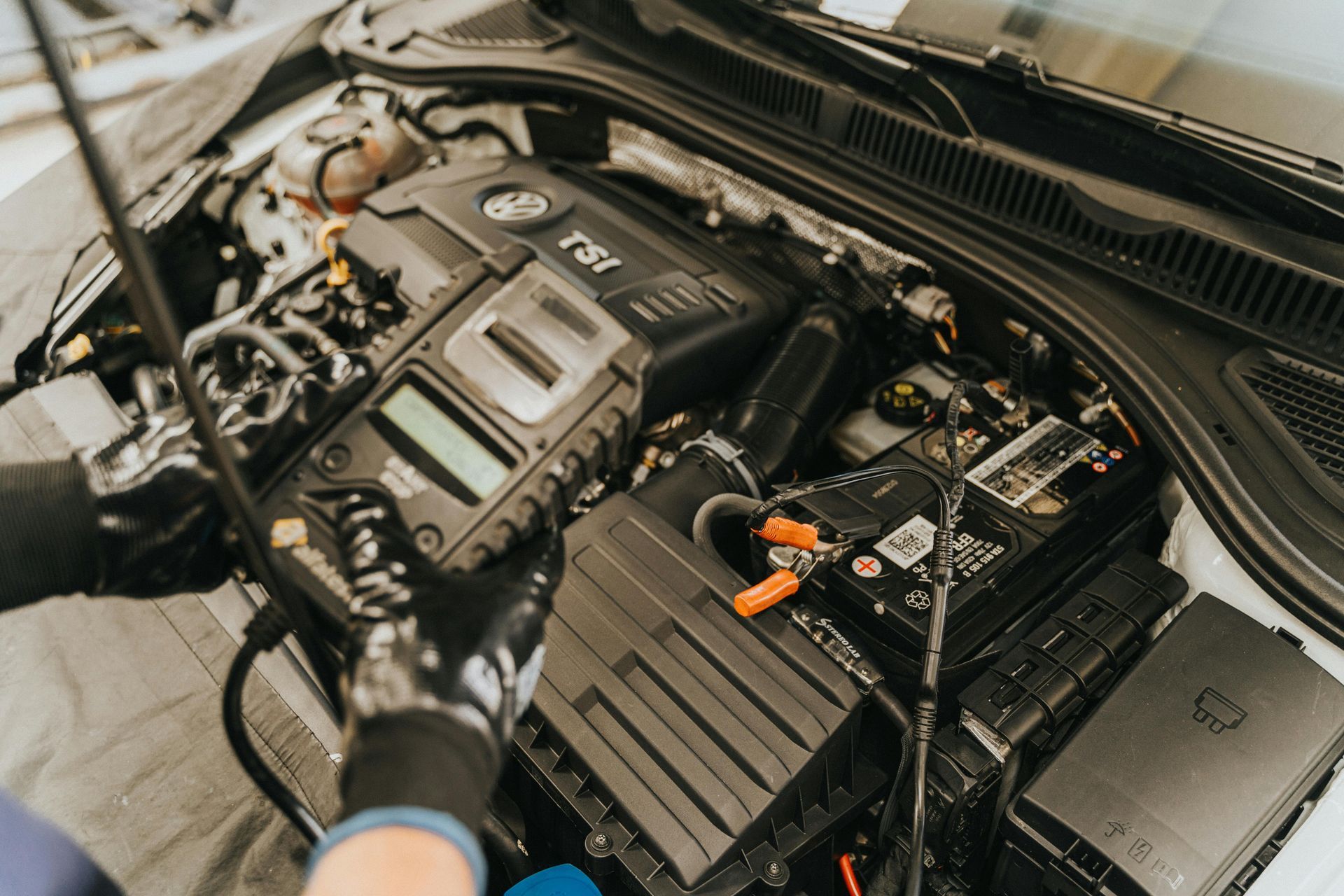
The engine air filter keeps dirt, dust, leaves, and road debris from entering the intake system. Your engine needs clean air to mix with fuel and burn properly. When the filter becomes clogged with debris, the engine can have a harder time drawing in the air it needs.
A restricted air filter can reduce throttle response and make the engine feel less eager under acceleration. On some vehicles, it can also affect fuel economy because the engine computer has to adjust to less efficient airflow. A clean filter does not add magic power, but it helps the engine work as it was designed.
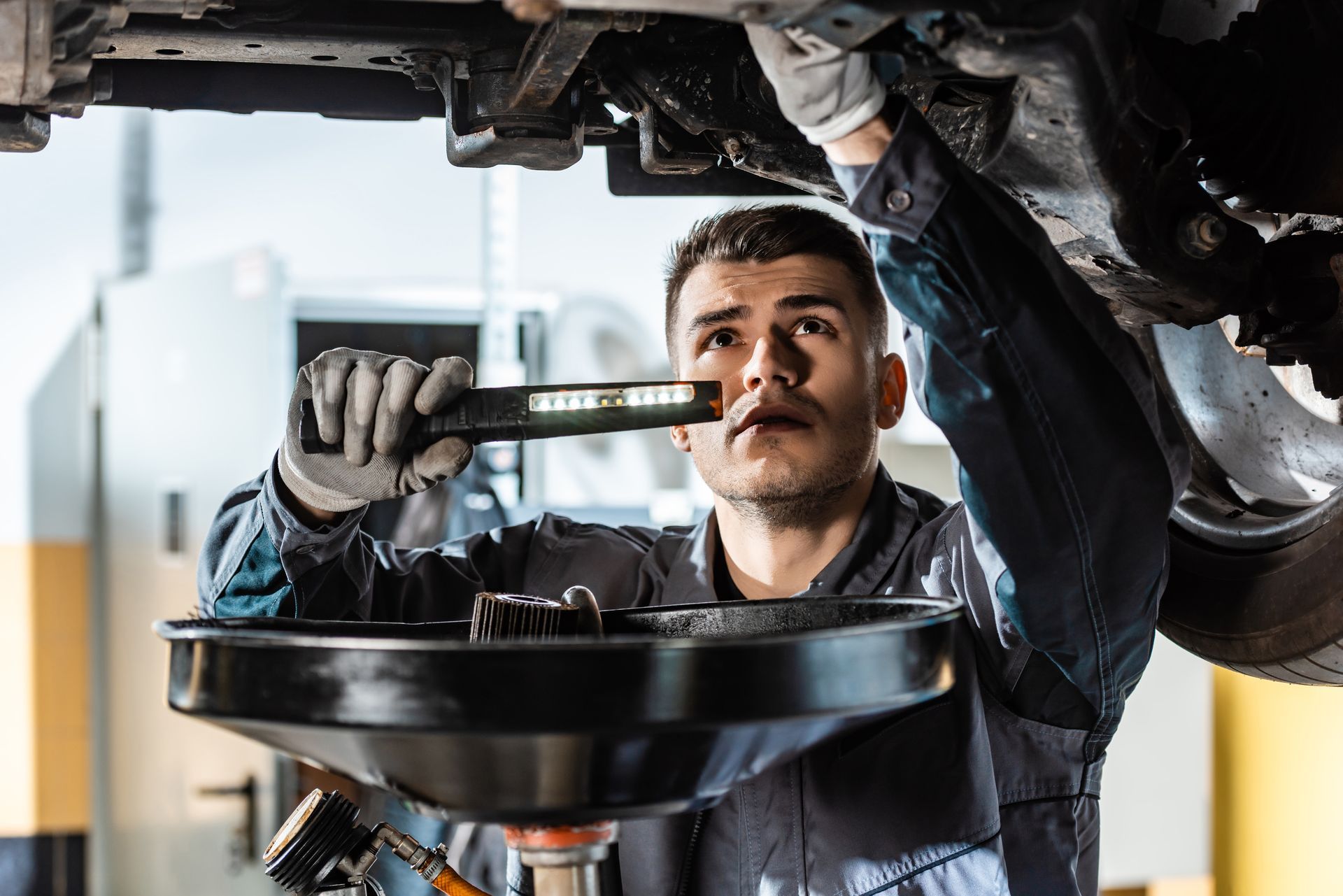
Oil Filter And Engine Wear
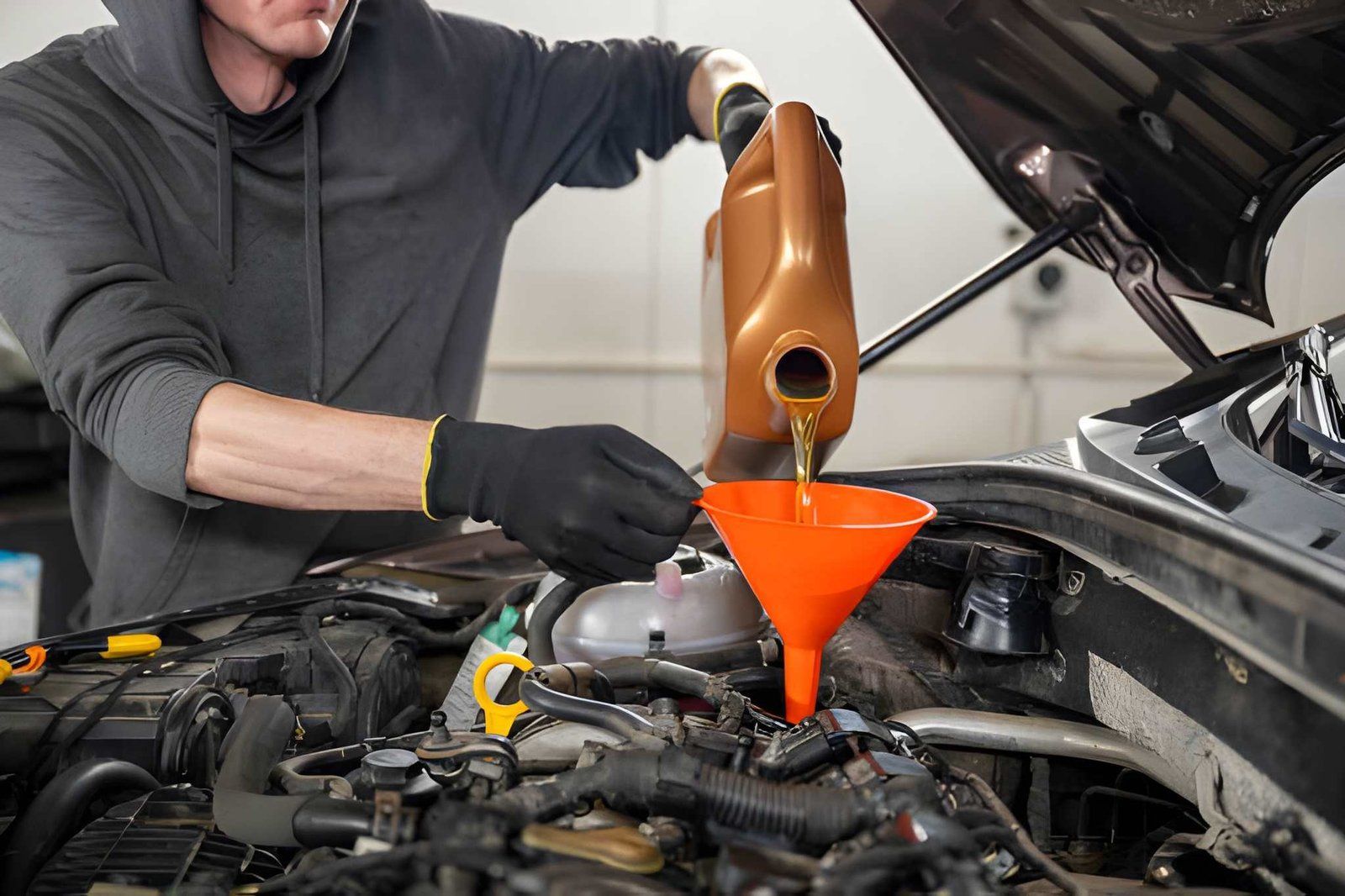
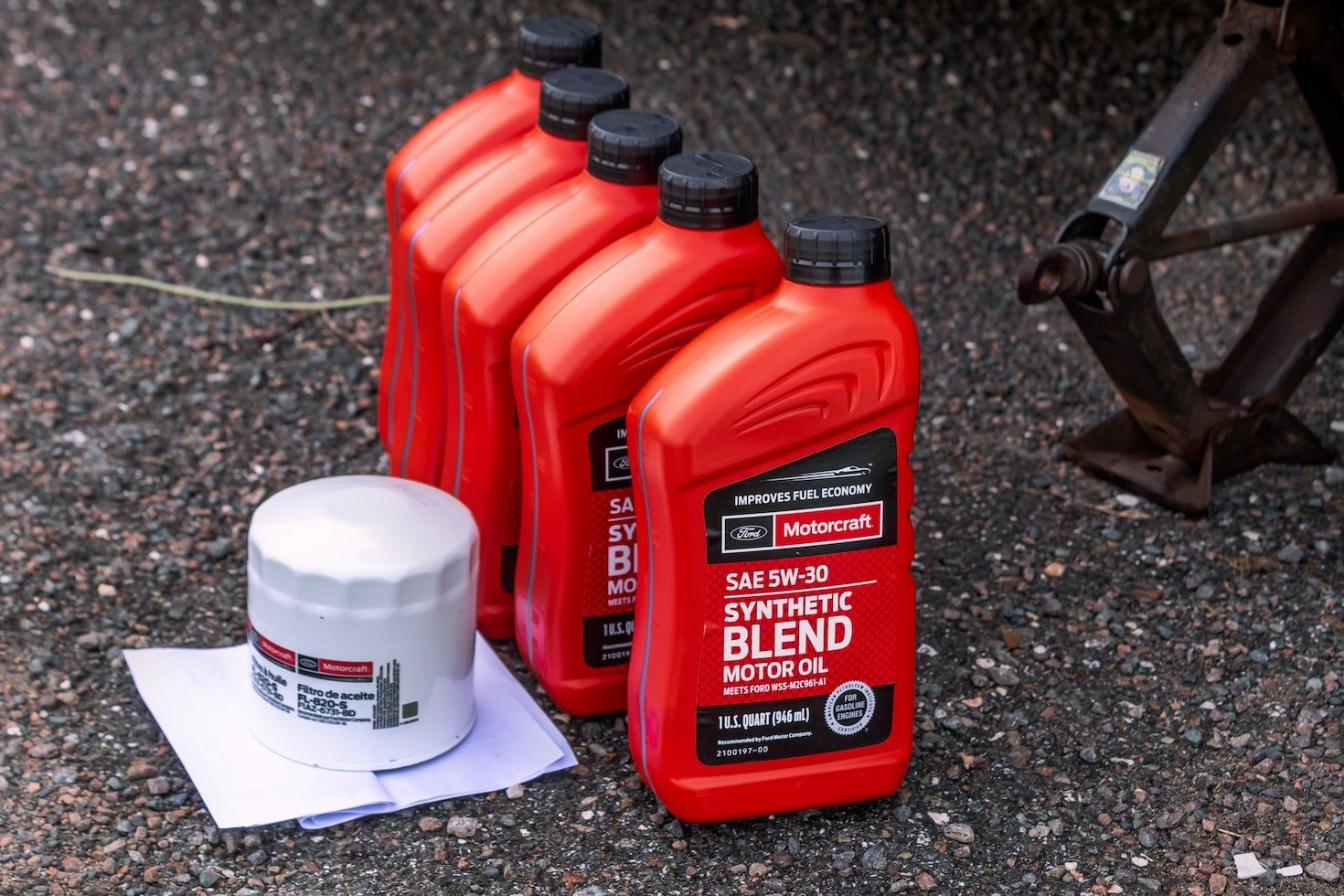
The oil filter protects the engine by trapping fine debris, metal particles, carbon, and other contamination that collect in the oil. Engine oil carries these particles away from moving parts, and the filter keeps them from circulating again and again.
A clogged or poor-quality oil filter can reduce the oil system's ability to protect the engine. That can be especially hard on timing components, bearings, camshafts, and oil-controlled systems. Replacing the oil filter with every oil change is not an optional extra. It is part of doing the service correctly.
Fuel Filter And Fuel Economy
The fuel filter helps keep dirt and contamination out of the fuel system. Some vehicles have a serviceable fuel filter that can be replaced at set intervals. Others have a filter built into the fuel pump module, which is not serviced the same way unless there is a problem.
When a fuel filter becomes restricted, the engine may not get enough fuel under load. Drivers can notice hesitation, hard starting, weaker acceleration, stalling, or reduced fuel economy. These symptoms can look like ignition or sensor problems, too, so an inspection is helpful before replacing parts. Clean fuel delivery matters because injectors need a steady flow and a proper spray pattern to do their job well.
Cabin Air Filter And Comfort
The cabin air filter cleans the air that flows through the heating and A/C system. It catches dust, pollen, leaves, and debris before they blow through the vents. When it gets dirty, airflow can weaken, and the blower motor may have to work harder to move air through the system.
A clogged cabin filter can also cause musty odors, poor defrosting, and weaker A/C performance from the vents. Drivers sometimes think the A/C system is failing when the real issue is restricted airflow. Replacing the cabin air filter is a simple way to improve cabin comfort and visibility, especially during hot weather, allergy season, or smoky conditions.
Why Dirty Filters Create Bigger Problems
A dirty filter does not always stop the vehicle right away. That is part of the problem. The car keeps driving, so the service gets delayed. Meanwhile, the engine may be breathing through a clogged air filter, circulating dirty oil, struggling with fuel flow, or pushing air through a blocked cabin filter.
The longer filters stay neglected, the more they affect nearby systems. Restricted airflow can change how the engine responds. Dirty oil can increase internal wear. Poor fuel flow can strain performance. Weak cabin airflow can make the A/C and defrosting less effective. Regular maintenance keeps these small parts from becoming bigger problems.
How Often Should Filters Be Checked?
Filter life depends on mileage, vehicle design, and driving conditions. A car driven through dust, construction areas, heavy pollen, traffic, or dry roads may need filter checks sooner than one driven mostly on clean highways. Short trips and stop-and-go driving can also make some service items come due sooner.
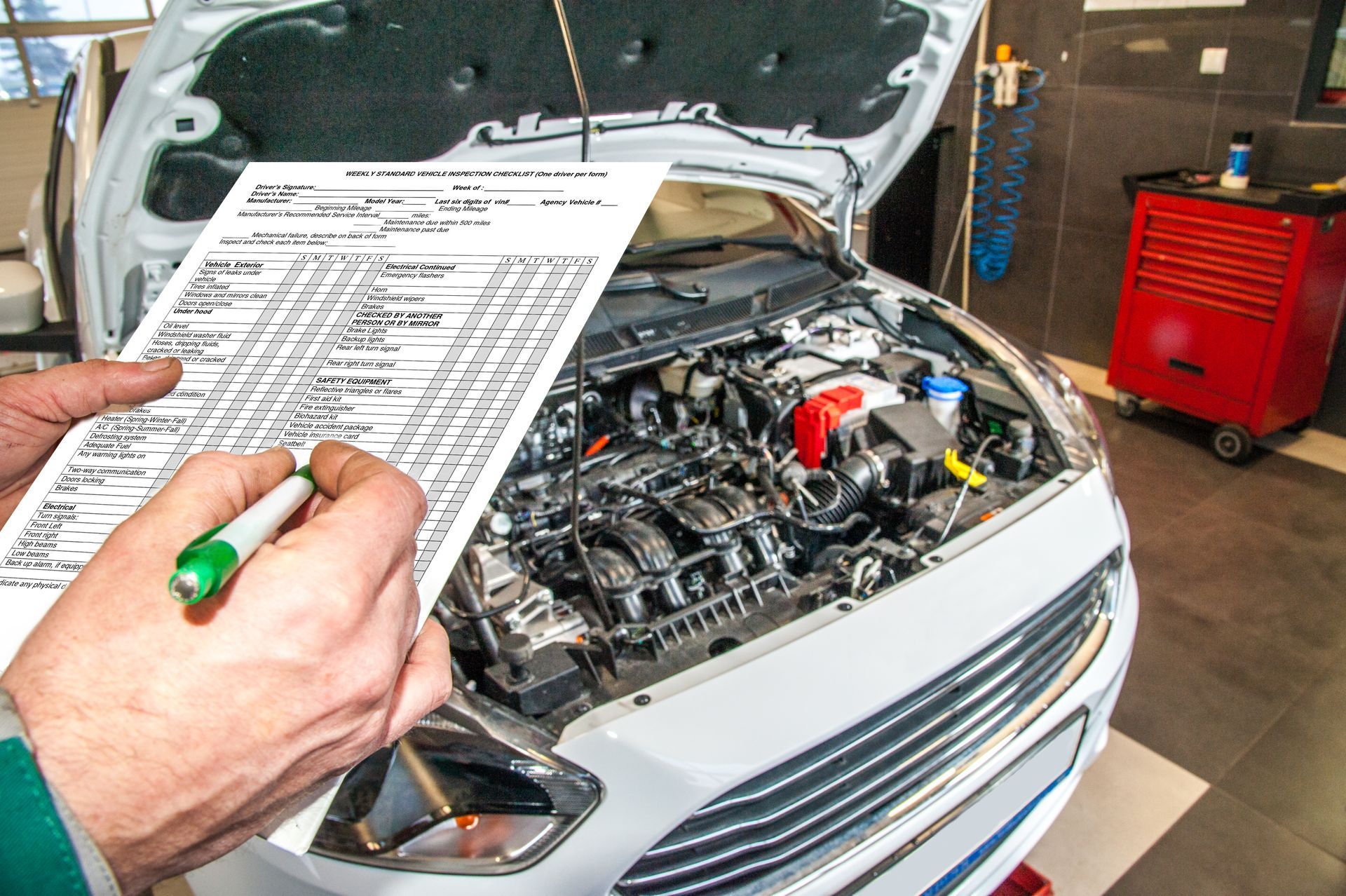
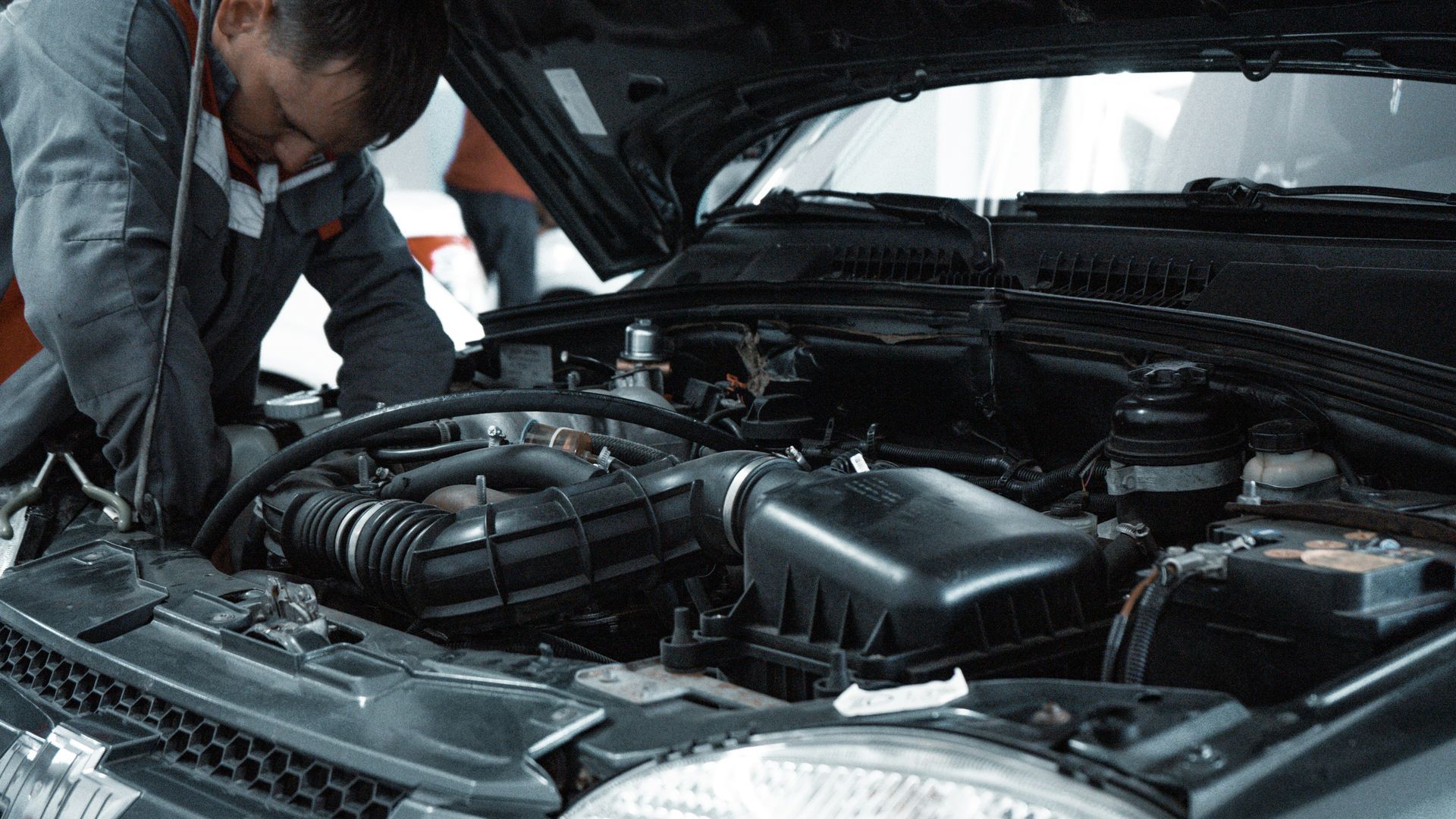
The best approach is to check filters during routine service rather than waiting for symptoms. A technician can look at filter condition, airflow clues, service history, and the vehicle’s maintenance schedule. Some filters are easy to inspect. Others take more time or are hidden behind panels, housings, or underbody areas. Staying ahead of them helps the vehicle stay cleaner, more efficient, and easier to maintain.
Get a Car Filter Replacement In Campbell, CA, With Autotrend Auto Repair
If your vehicle has weak airflow, lower fuel economy, musty cabin smells, overdue oil service, or hesitation that could point to a filter-related issue, our Campbell, CA, team can check the filters and related systems.