
Vehicle Maintenance for High-Mileage Cars: What Needs Changing After 100,000 Miles?
A car does not suddenly become old the day it passes 100,000 miles. Plenty of vehicles are still dependable well past that number. The difference is that parts have now been through years of heat cycles, vibration, short trips, hard stops, traffic, long drives, and small leaks that may have been easy to ignore earlier.
At this mileage, maintenance needs to become more honest. The question is no longer just, “Is it due for an oil change?” It becomes, “Which parts are aging, which fluids are overdue, and what can be handled now before it turns into a repair that ruins the week?”
100,000 Miles Is A Checkpoint, Not A Finish Line
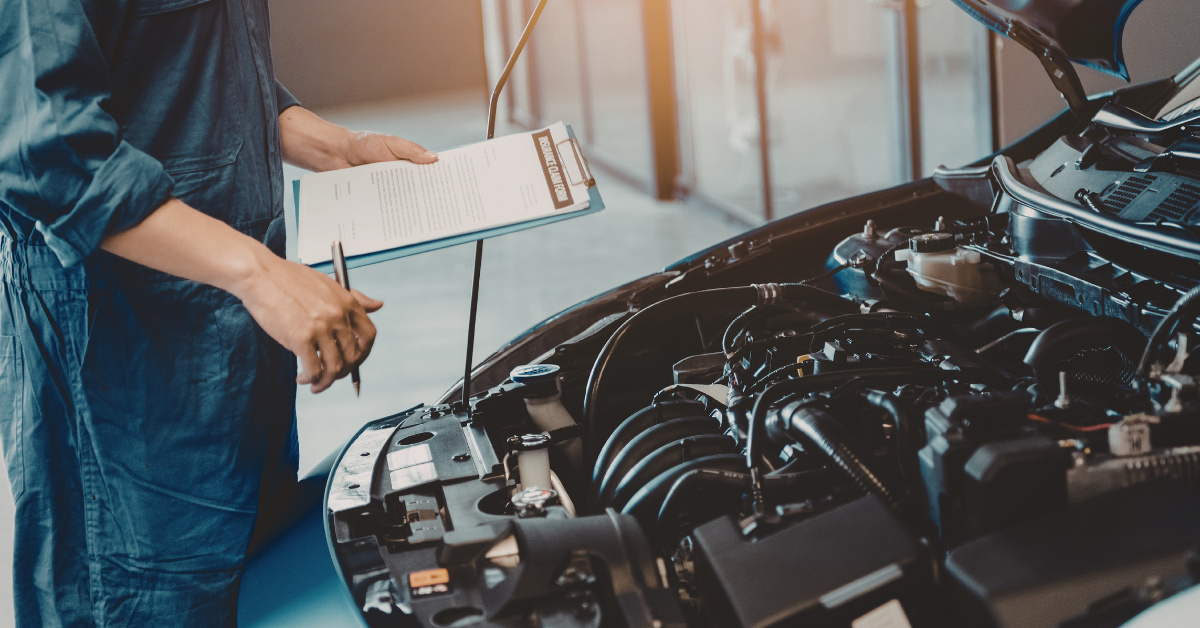
Reaching 100,000 miles should be treated like a major checkpoint. Some parts may still have life left. Others may already be past their best service window. The vehicle’s maintenance history matters as much as the odometer.
A car with careful service records may only need targeted work. A car with missing history may need a deeper inspection because nobody can be sure when fluids, plugs, belts, hoses, or filters were last changed. Two cars with the same mileage can be in very different condition.
Driving conditions also change the plan. Campbell traffic, short trips, heat, hills, and stop-and-go driving can be harder on fluids and brake parts than steady highway mileage.
Fluids Need More Than A Quick Top-Off
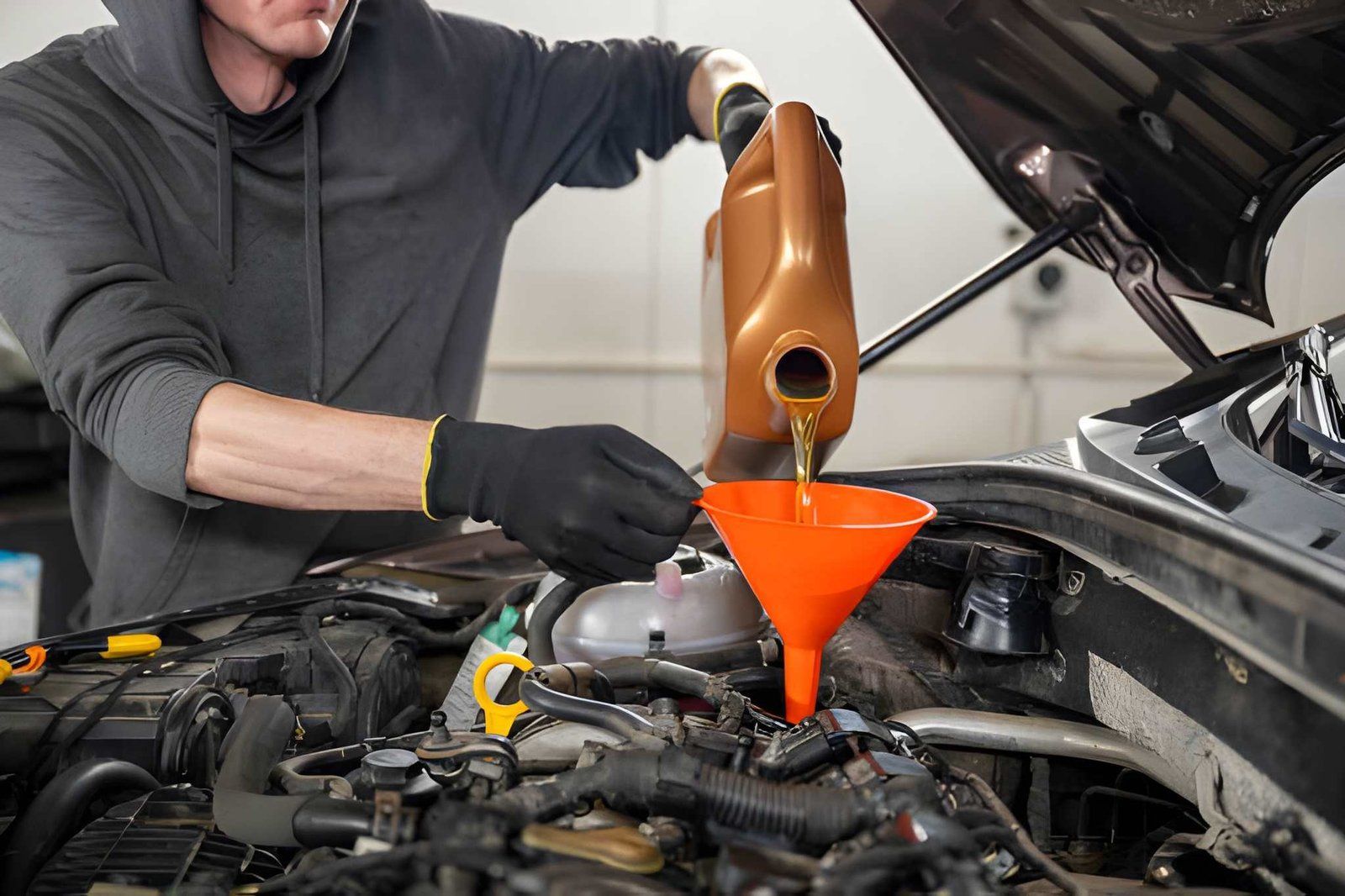
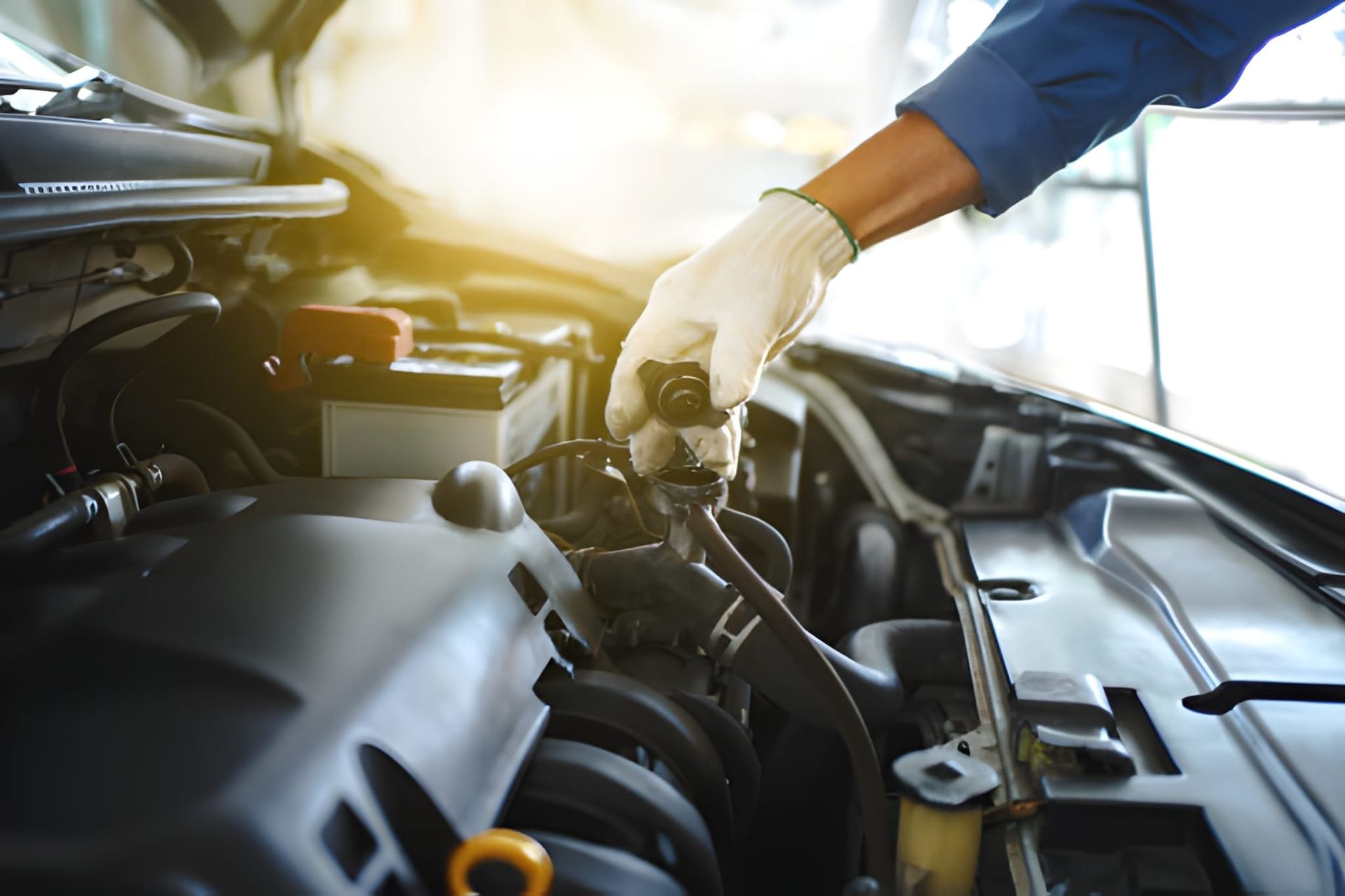
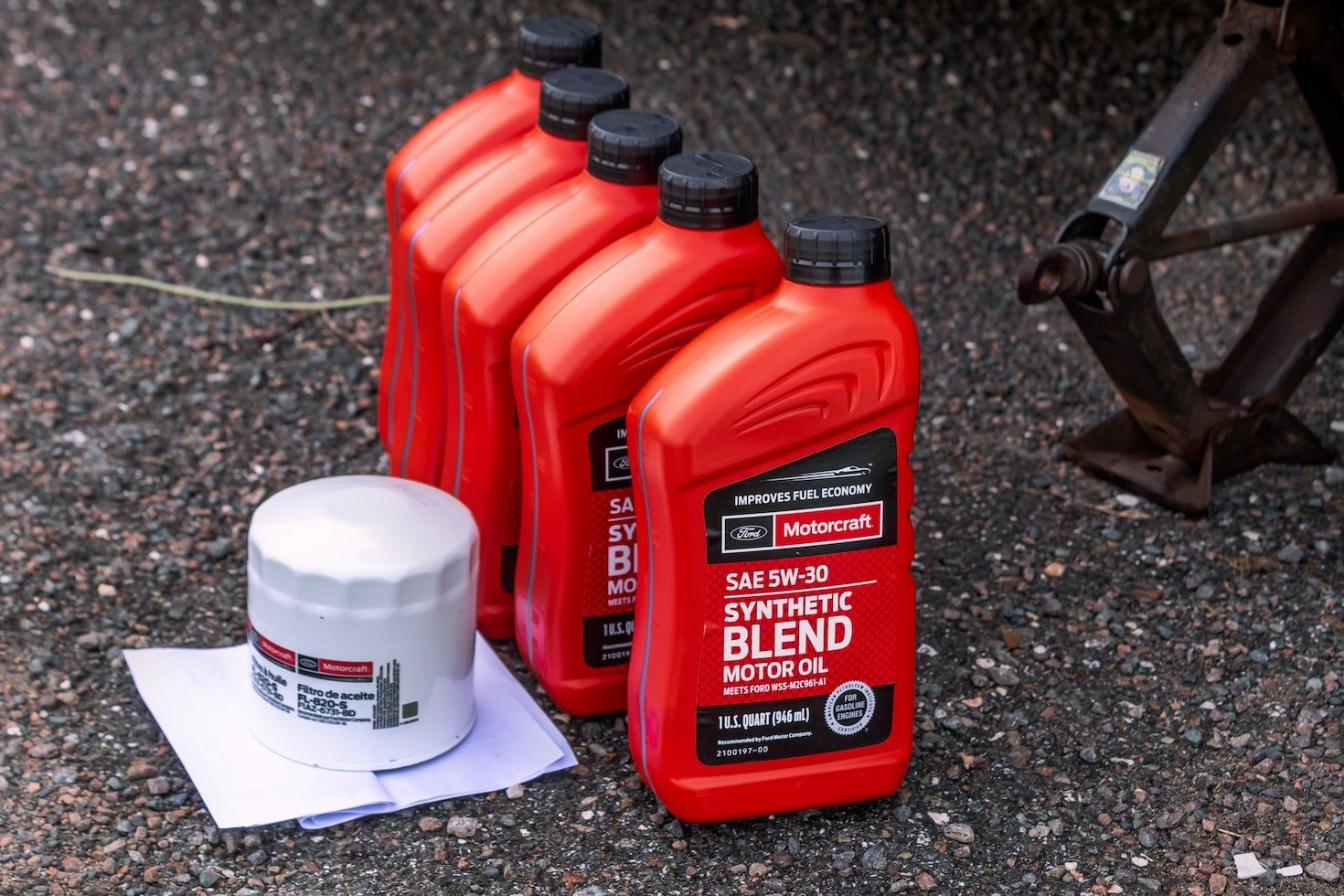
High-mileage vehicles depend heavily on fluid condition. Engine oil, coolant, transmission fluid, brake fluid, power steering fluid, gear oil, and differential fluid all age in different ways. Topping off a low reservoir does not remove old fluid or the contamination already circulating through the system.
Transmission fluid deserves special attention. If it is old, dark, low, or burnt-smelling, the transmission may already be working harder than it should. Coolant can lose corrosion protection and start affecting the radiator, heater core, water pump, thermostat, and hoses. Brake fluid absorbs moisture, which can reduce heat resistance and promote corrosion within hydraulic components.
Fluid service should be based on the vehicle’s condition and manufacturer recommendations. If the service history is unknown, checking fluids is one of the smartest places to start.
Belts, Hoses, And Rubber Parts Age With Time
Rubber parts do not care only about mileage. Heat, oil contamination, pressure, ozone, and age all break them down. Around 100,000 miles, belts and hoses should be checked closely, even if nothing has snapped yet.
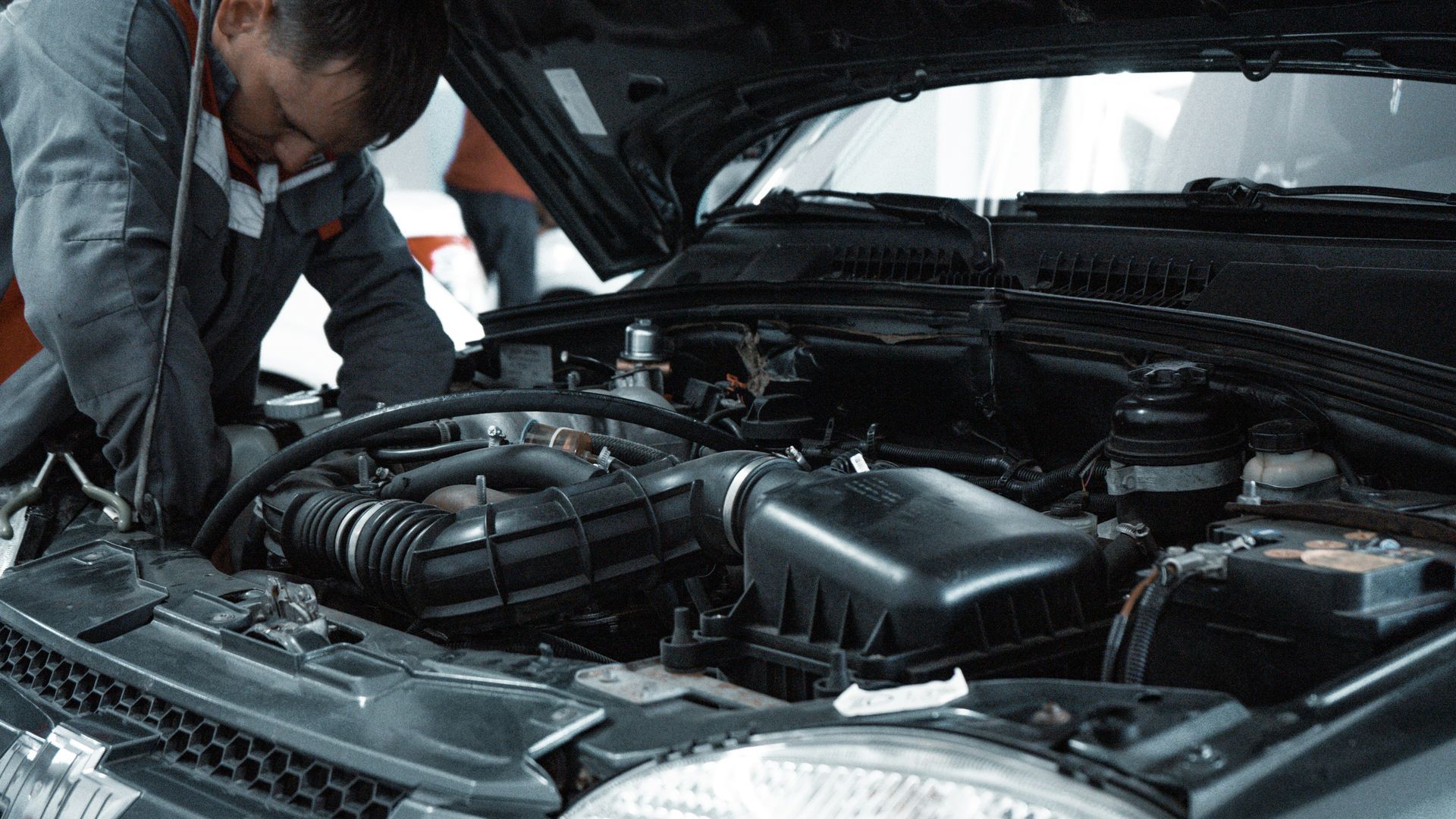
A worn belt may show cracks, glazing, frayed edges, or noise on startup. A weak coolant hose may feel swollen, too soft, or brittle near the ends. Vacuum hoses, intake boots, engine mounts, suspension bushings, and weathered seals can also start causing symptoms that seem unrelated at first.
A small coolant hose leak or cracked intake boot can create bigger trouble than the part’s size suggests. High-mileage service is often about finding those small weak links before they interrupt normal driving.
Spark Plugs, Filters, And Airflow Parts Can Change How The Car Feels
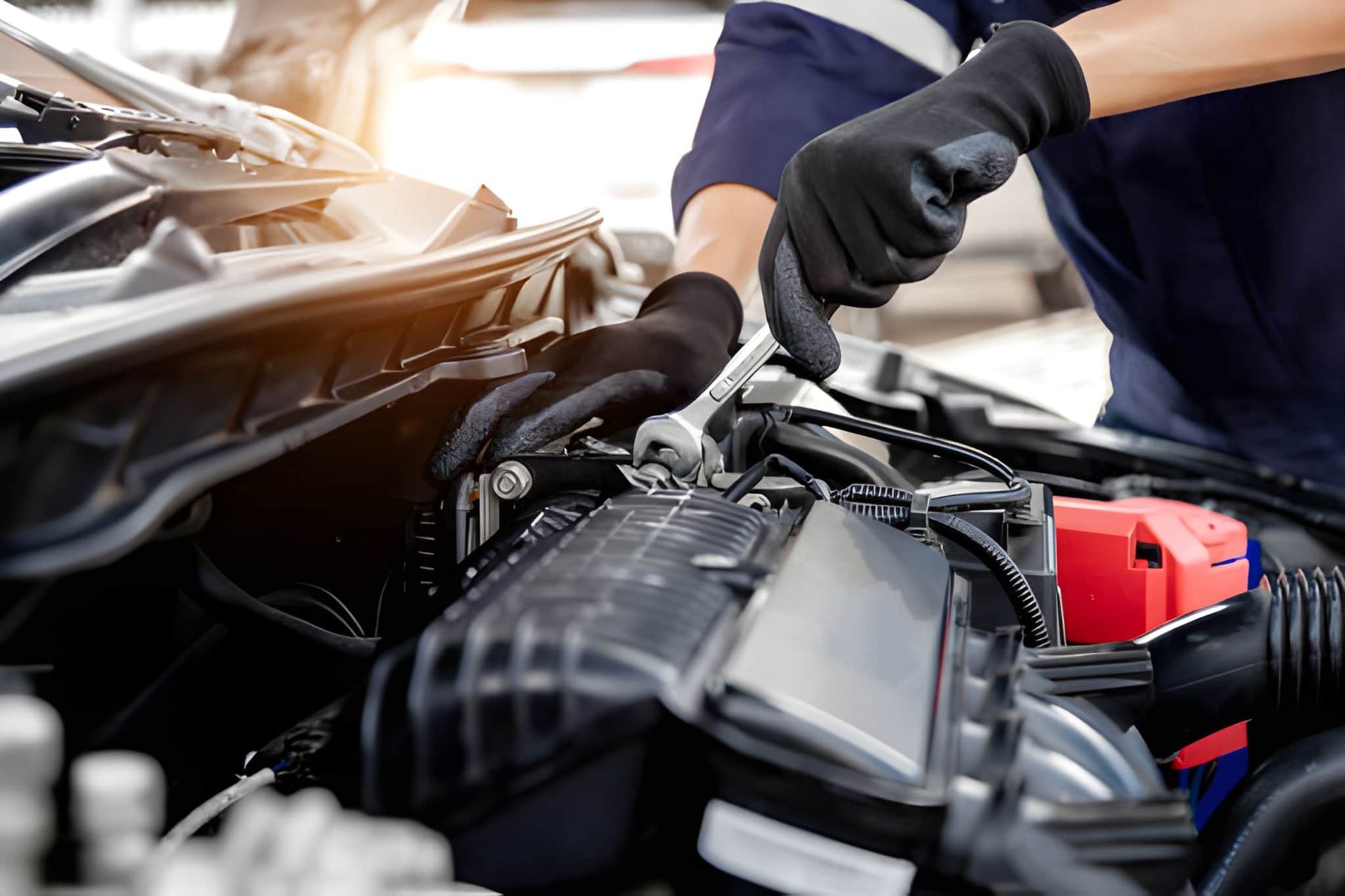
By 100,000 miles, many vehicles are due for spark plugs, and some are overdue. Worn plugs can make the engine start harder, idle rougher, lose fuel economy, or hesitate under load. Ignition coils, plug wires on vehicles that use them, and related boots should be checked at the same time.
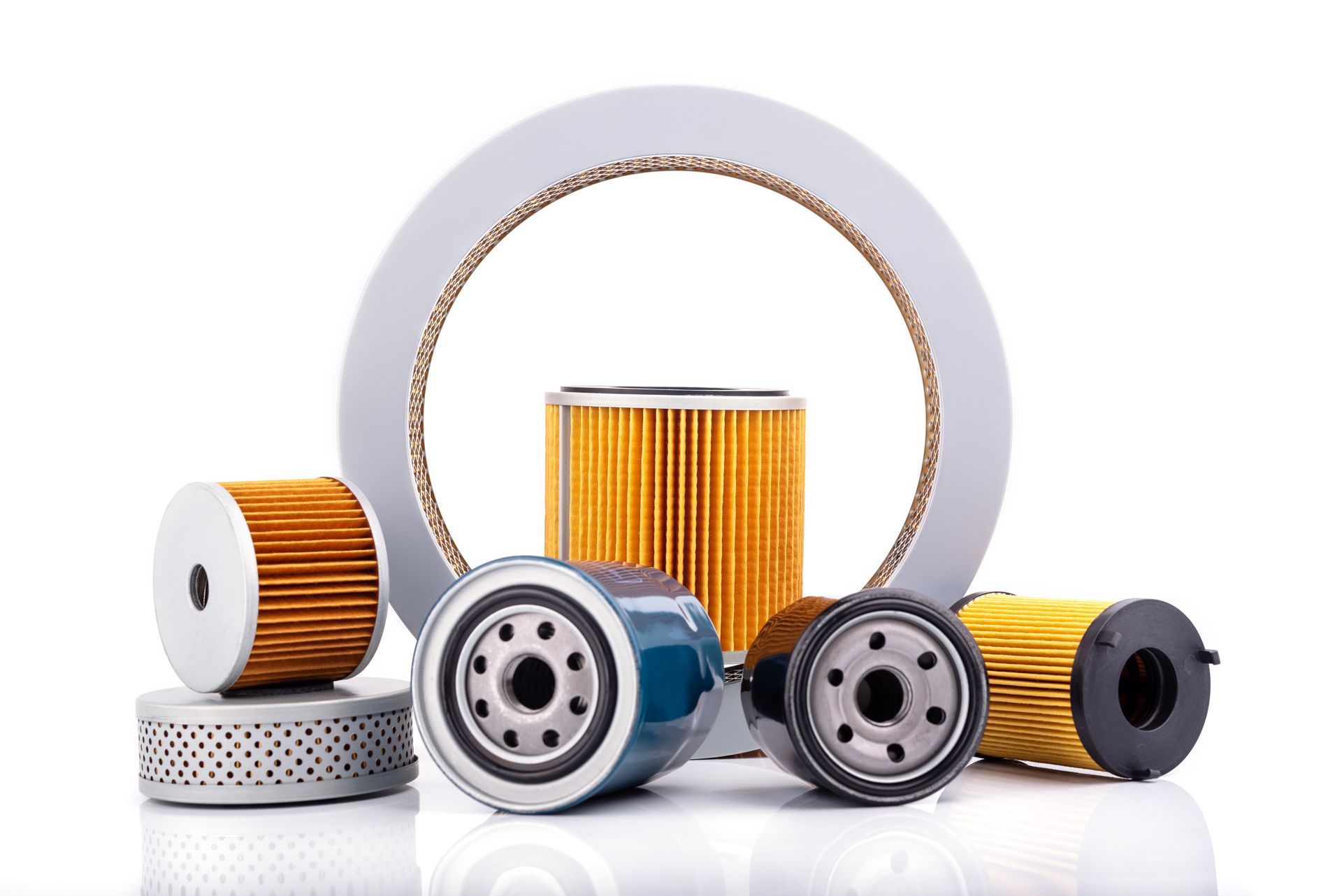
Filters also deserve attention. A dirty engine air filter can cause the engine to run on restricted airflow. A neglected cabin air filter can reduce airflow to the A/C and heater, which drivers sometimes blame on the blower motor or the A/C system.
Throttle bodies, mass airflow sensors, PCV parts, and intake hoses may also need cleaning or inspection. Small airflow issues can make a high-mileage car feel tired long before it sets a clear warning light.
What To Prioritize Around 100,000 Miles
A 100,000-mile service should not be a random pile of parts. The best plan comes from the vehicle’s records, current condition, and known weak areas for that model.
- Spark plugs and ignition parts should be checked because worn plugs can stress coils and make the engine feel rough during startup, acceleration, or climbing grades.
- Coolant and cooling system parts should be inspected because an older radiator cap, thermostat, hose, or water pump can turn a small leak into an overheating problem.
- Transmission fluid should be carefully evaluated, as old fluid can affect shift quality, heat control, and internal wear, especially if the vehicle has spent years in traffic.
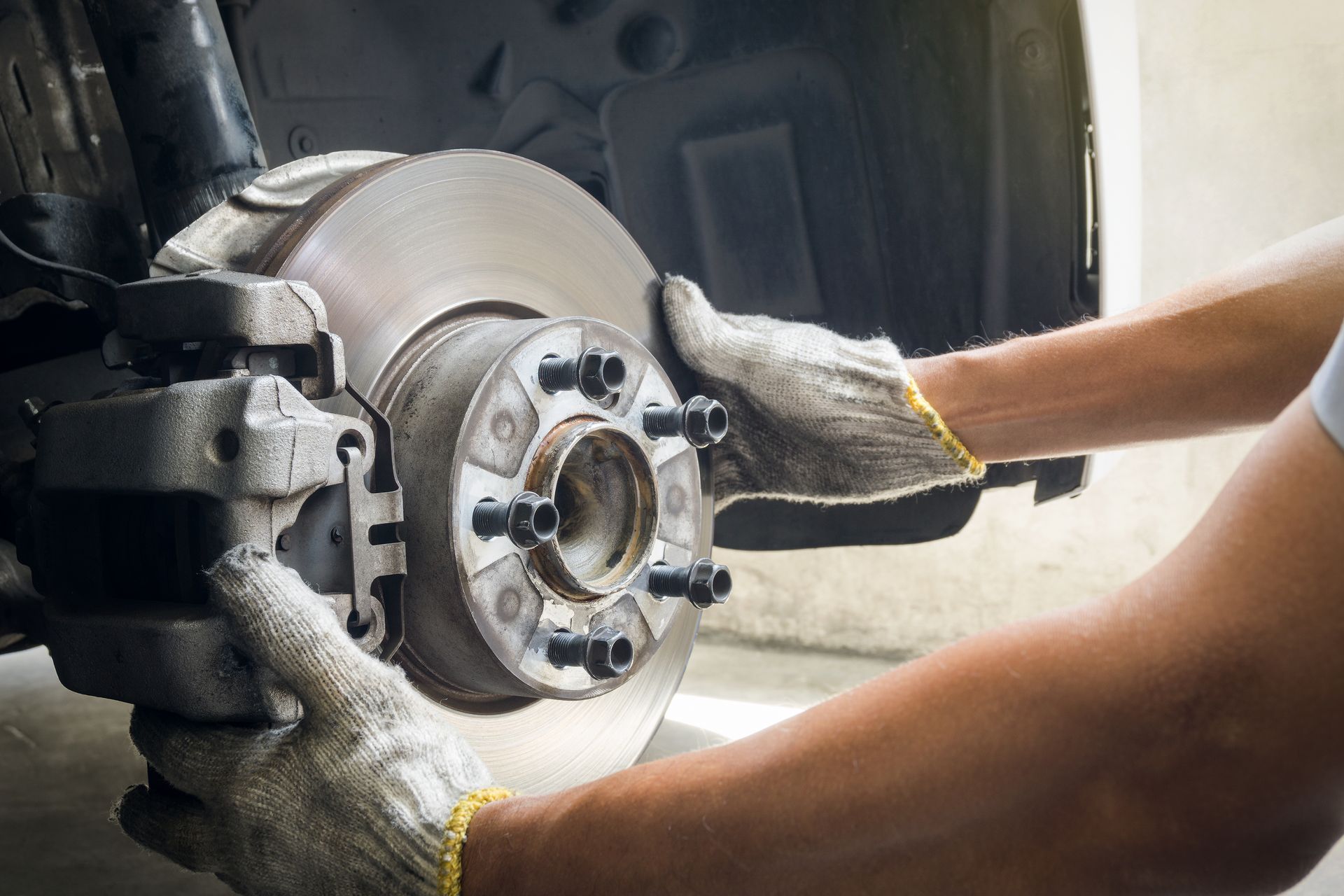
- Brake fluid, pads, rotors, hoses, and calipers should be checked together, as stopping confidence depends on both friction and hydraulic components.
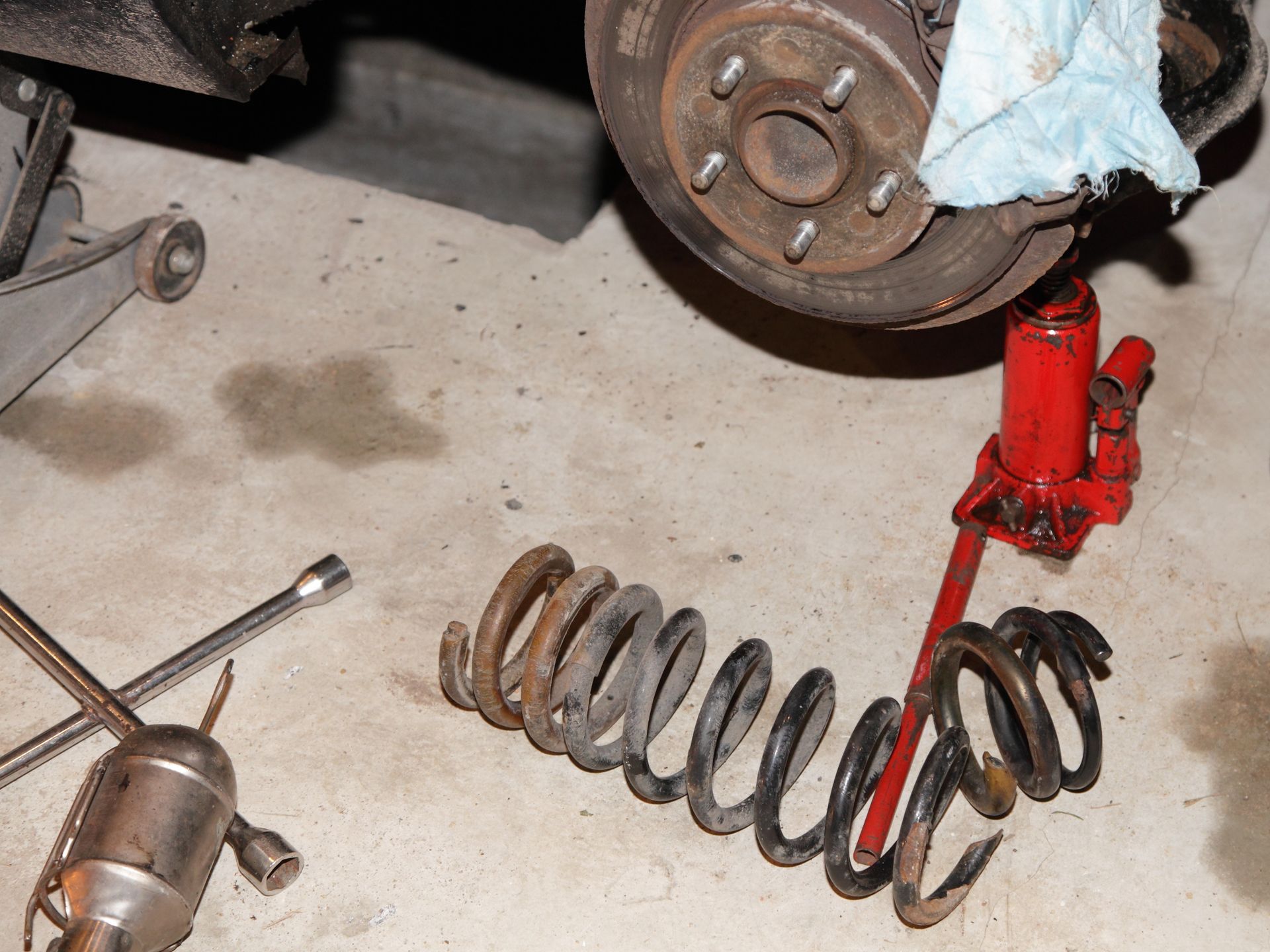
- Suspension and steering parts should be inspected because worn bushings, struts, shocks, tie rods, and ball joints can ruin tires and make the car feel loose.
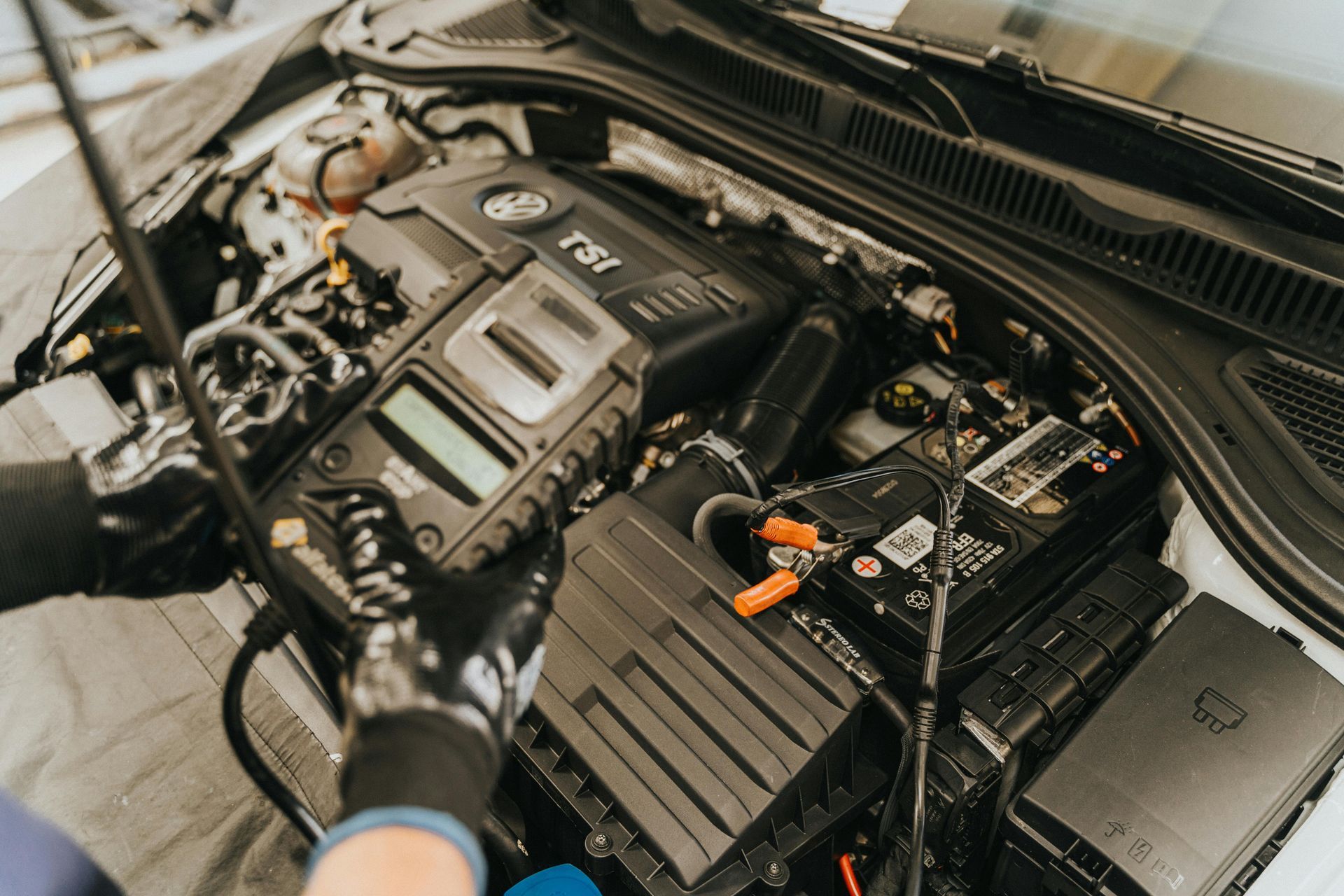
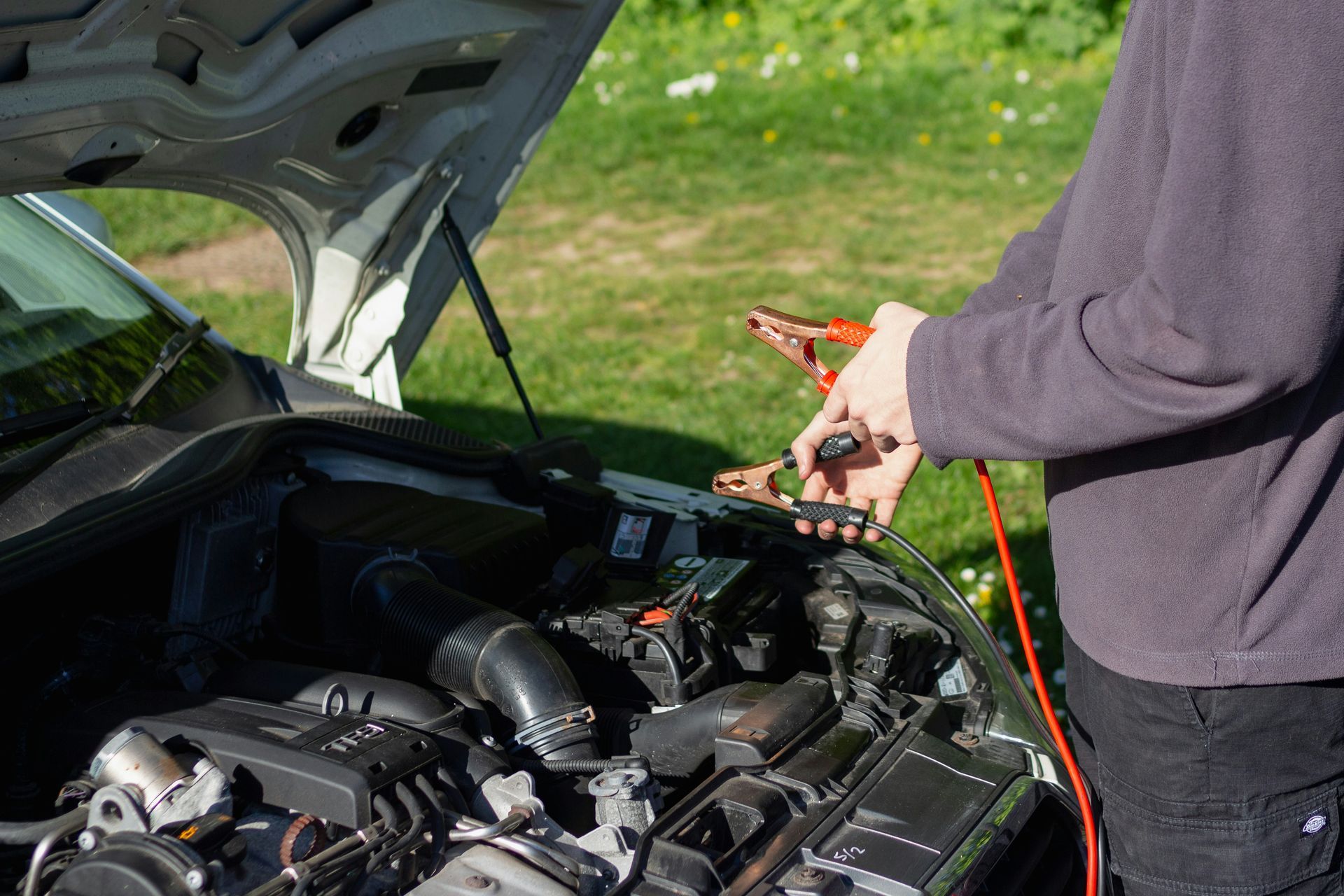
- The battery, charging system, and grounds should be tested, as high-mileage electrical issues often begin with low voltage or poor connections.
Each item tells part of the vehicle’s story. Skipping the inspection and replacing parts blindly can miss the real concern.
Suspension And Brakes Often Show Their Age
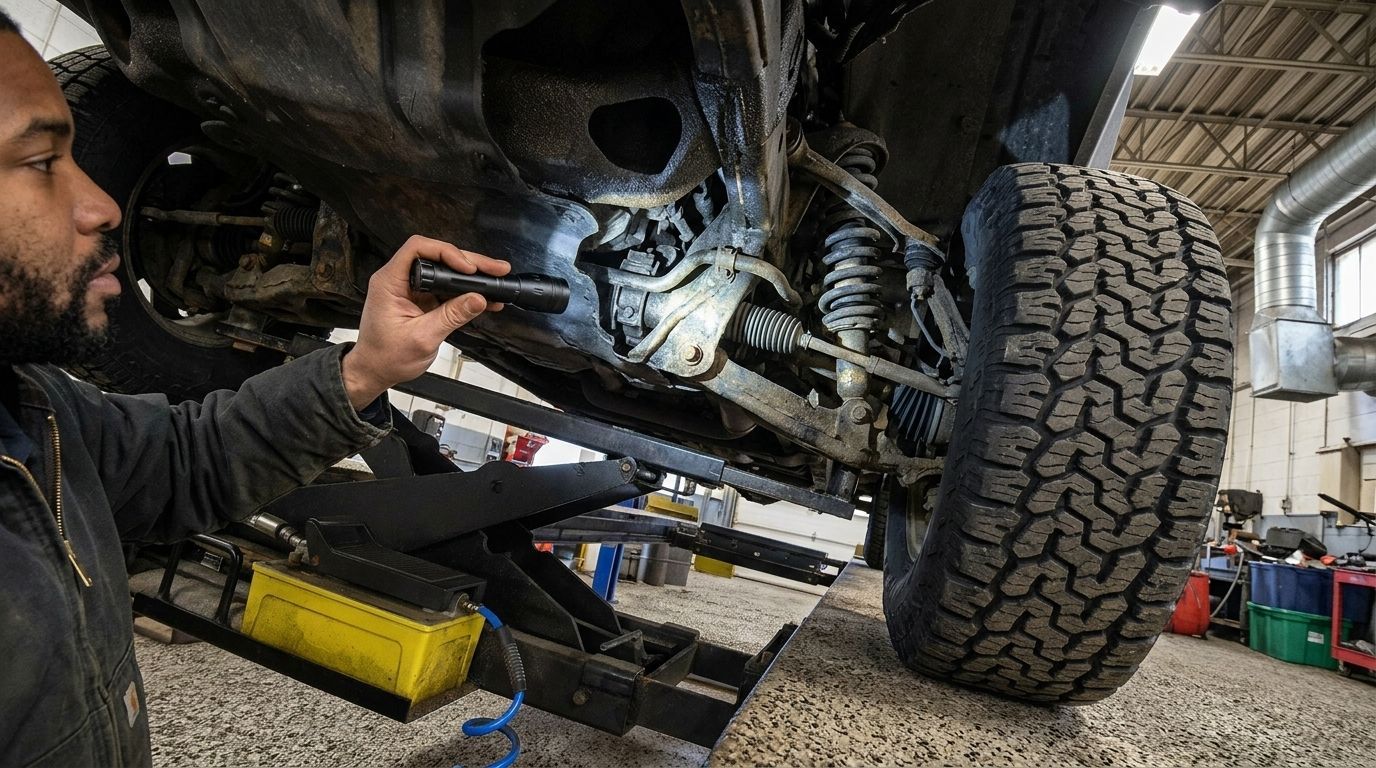
A high-mileage car may still drive every day, but the suspension may no longer feel tight. Shocks, struts, bushings, control arms, tie rods, ball joints, and wheel bearings all wear gradually. The driver may adjust without noticing how much the car has changed.
Uneven tire wear, clunks over bumps, vibration, pulling, bouncing, or a crooked steering wheel can all point toward wear underneath. Brake parts can show similar slow changes. Pads wear down, rotors develop uneven surfaces, calipers stick, and hoses age from the inside.
These systems affect safety, tire life, and driver confidence. They should be checked before a long trip or before installing new tires.
Small Leaks Deserve More Attention Now
A tiny oil seep on a newer car may be watched for a while. On a high-mileage car, small leaks should be taken more seriously because seals and gaskets may already be hardened from years of heat.
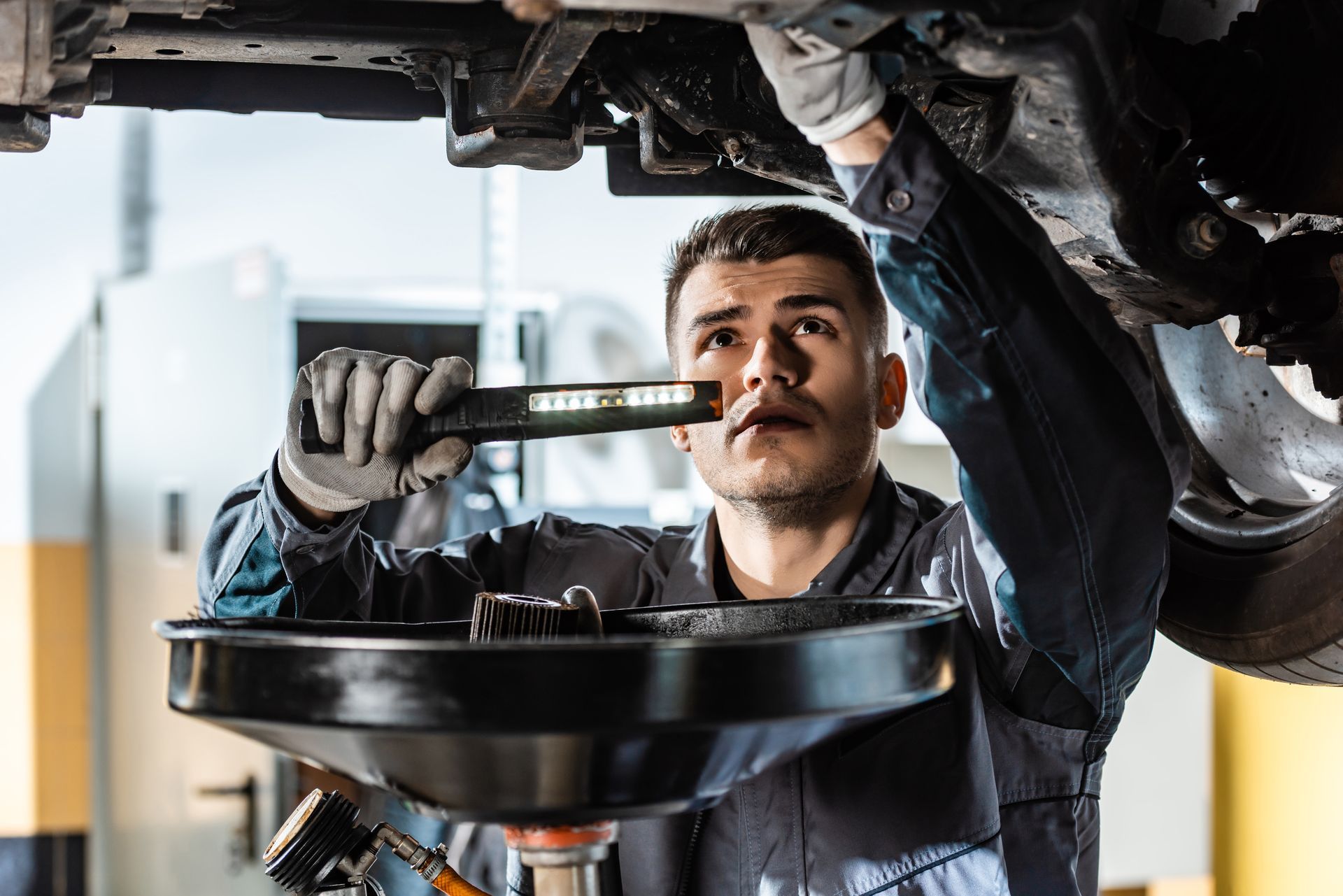
Oil leaks can damage belts, mounts, hoses, and electrical connectors. Coolant leaks can lead to overheating. Power steering or transmission leaks can leave expensive parts low on fluid. Even if the leak is not urgent today, knowing where it is coming from helps plan the repair before it becomes a tow.
Get High-Mileage Vehicle Maintenance In Campbell, CA, With Autotrend Auto Repair
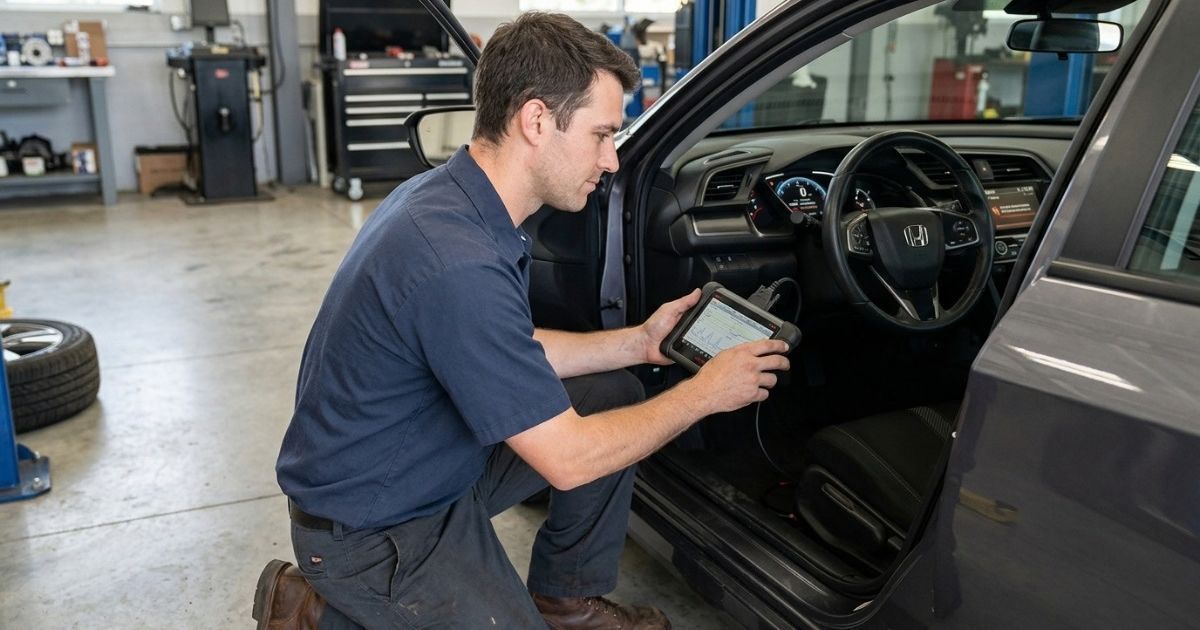
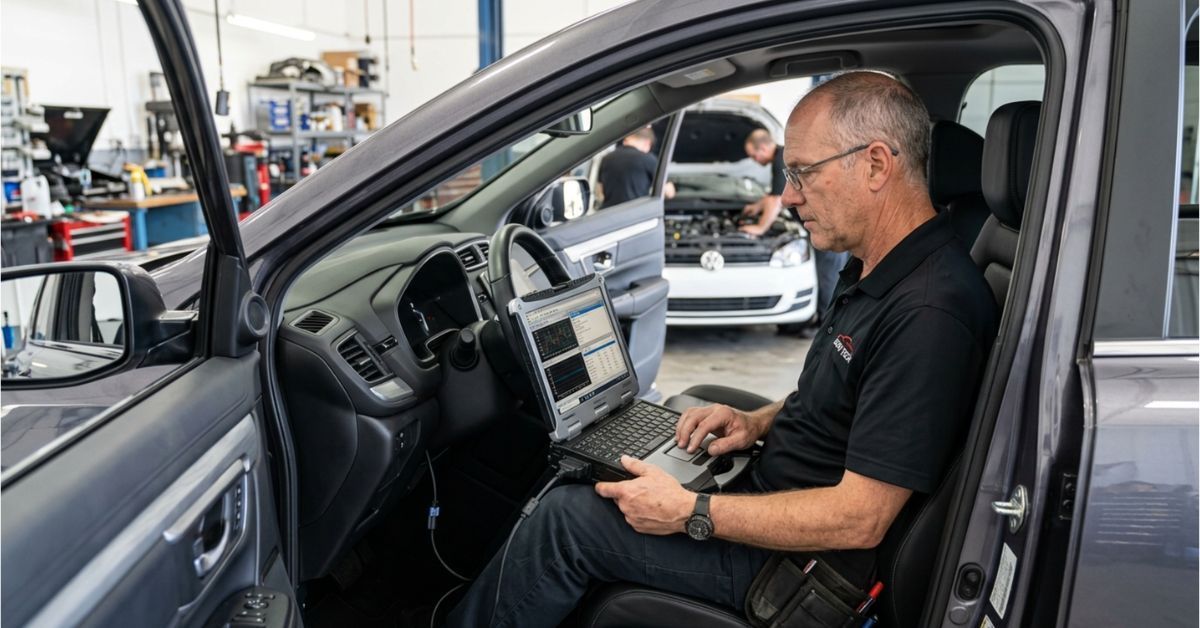
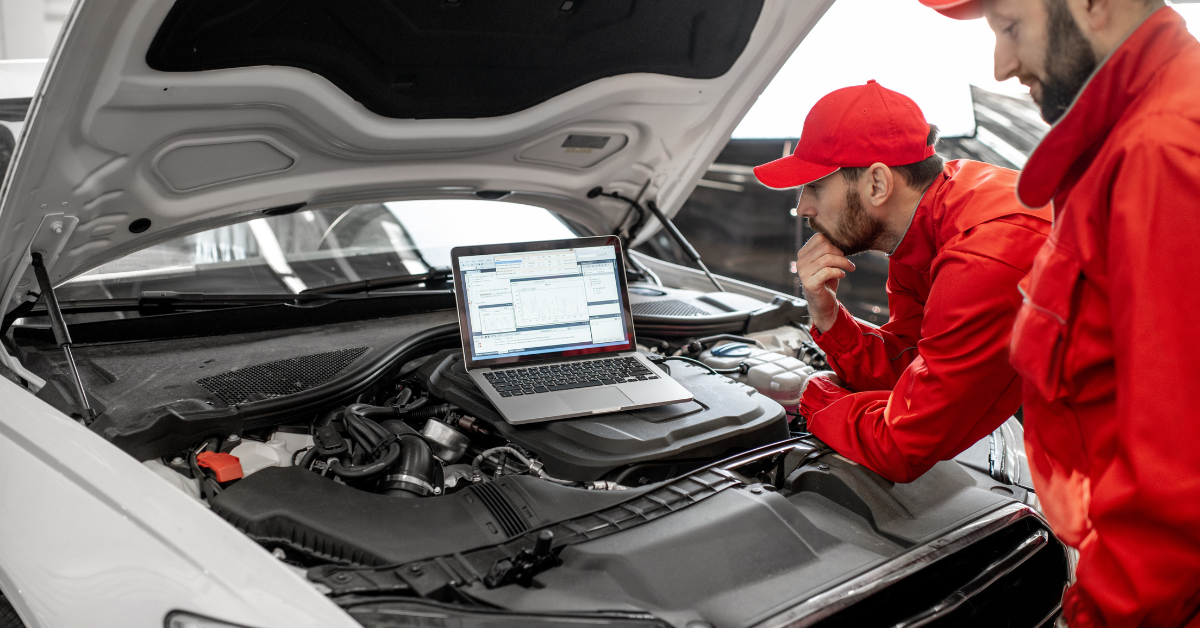
If your vehicle has passed 100,000 miles or is approaching that mark, Autotrend Auto Repair in Campbell, CA, can inspect the fluids, belts, hoses, brakes, suspension, ignition components, cooling system, leaks, and other age-related concerns.
For high-mileage vehicle maintenance that helps your car stay dependable,
contact us to schedule an appointment.