
The Evolution of Car Headlights: From Simple Bulbs to Smart Lighting
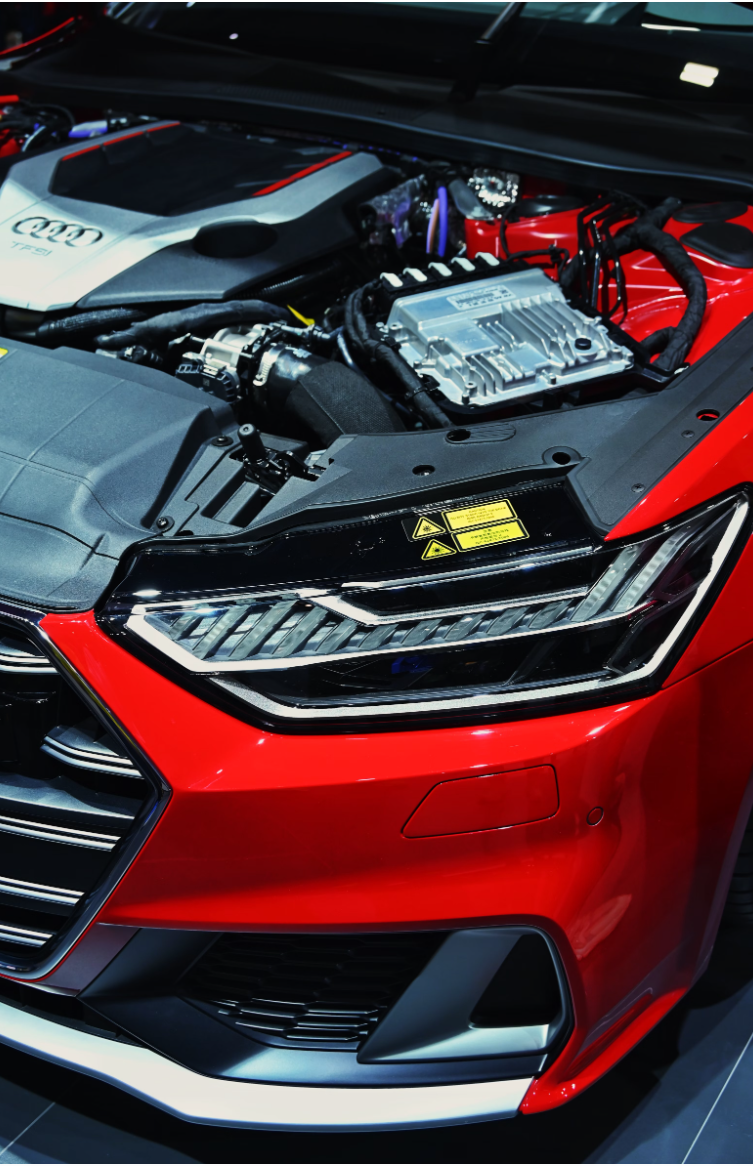
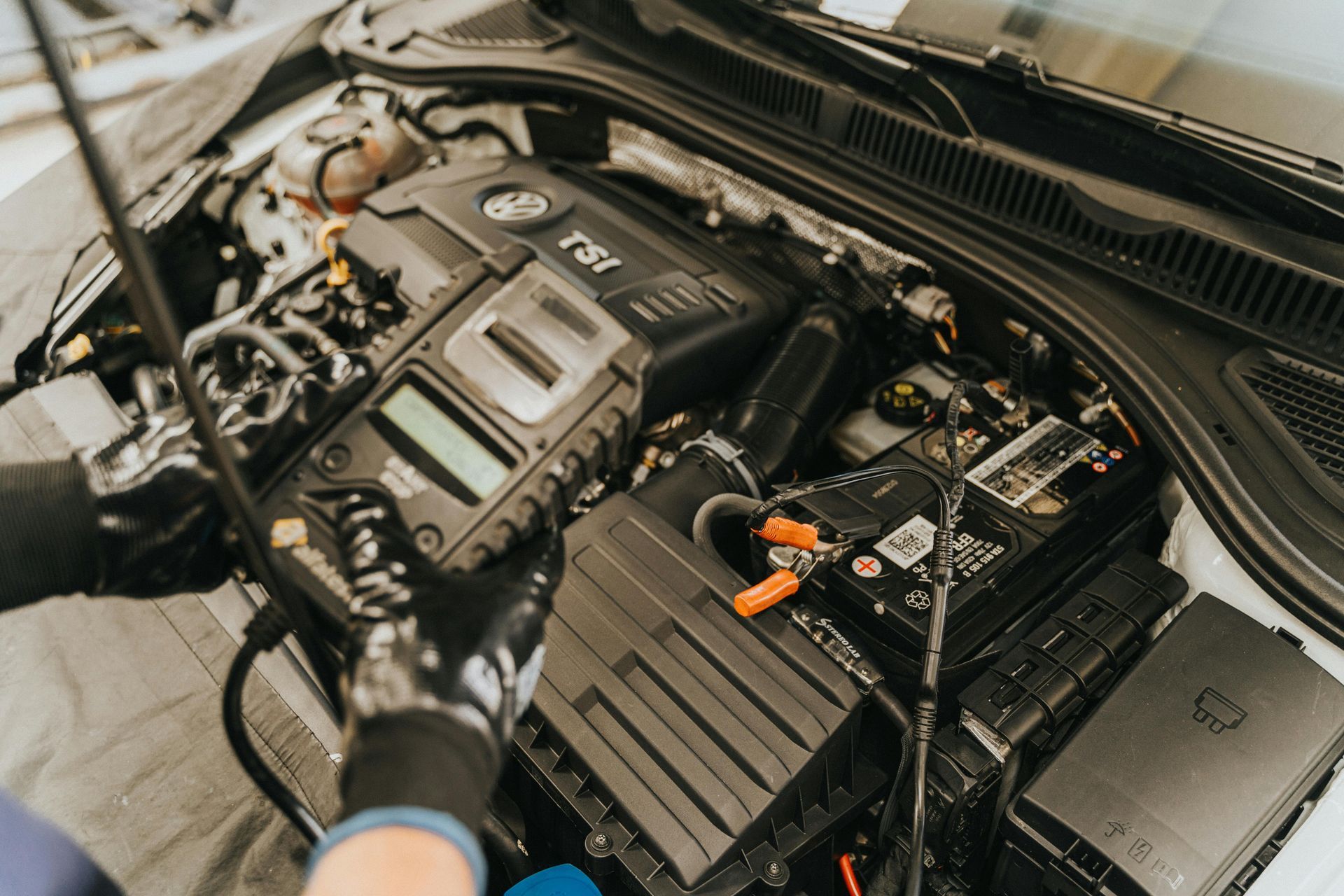
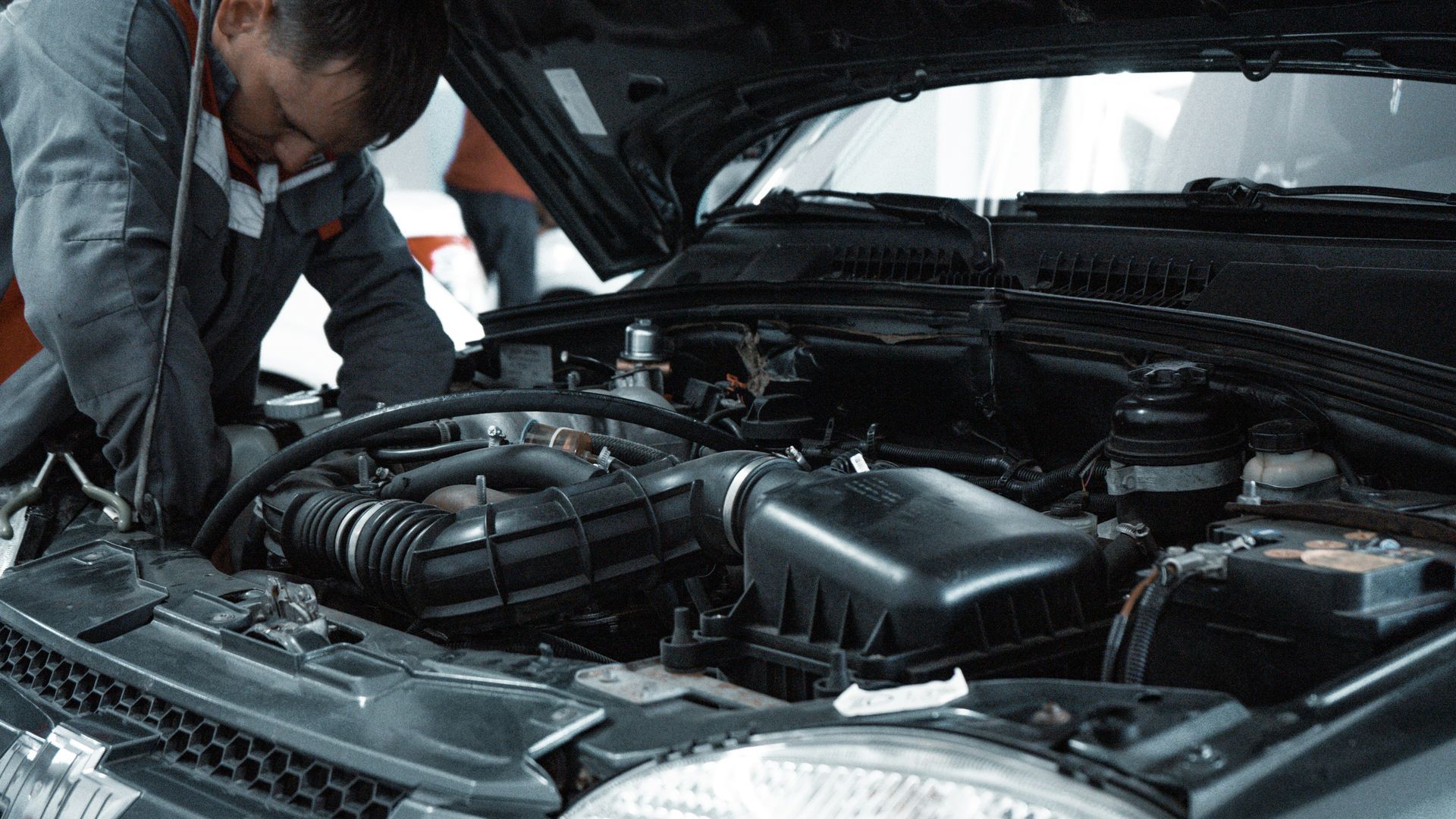
On many older cars, a failed headlight was a fairly straightforward bulb or sealed-beam replacement. Open the hood of a newer model and the same complaint can involve an LED module, a controller, or an entire lamp assembly. How did a familiar piece of equipment become so much more involved?
Headlights still have the same basic job: help you see the road while controlling glare for other drivers. The big changes are in how they produce and shape that light. Those changes also explain why a lighting problem on one car may require very different work than on another.
Early Electric Headlights Used Simple Light Sources
Early electric headlights relied on a filament that glowed when current passed through it. Reflectors directed the light forward, while lenses helped shape the beam. The brightness and pattern depended on the lamp's construction as well as the electrical supply, so changing the bulb was only part of maintaining useful lighting.
Sealed-beam headlights later combined the light source, reflector, and lens in one replacement unit. Their standardized shapes were familiar on many older vehicles. A failed light often meant replacing the unit, which was mechanically straightforward compared with a modern assembly containing several lighting functions and electronic components.
Halogen Headlights Made Replaceable Bulbs Common
Halogen bulbs use a filament inside a gas-filled capsule designed to perform better than a basic incandescent bulb. Many vehicles paired them with separately designed headlamp housings. This gave manufacturers more freedom in lamp shape while keeping the bulb as the common service part.
The bulb still has to match the housing. Its position controls how the optics direct light, and a poor fit can create glare or poor coverage. Handle a replacement according to its instructions, avoid contaminating the bulb, and check the connectors and lens rather than assume every weak beam needs a brighter bulb.
Xenon Headlights Added High-Intensity Discharge Technology
Xenon, or high-intensity discharge, lamps create light through an electrical arc rather than a glowing filament. They use supporting electronics to start and regulate that arc. This brought a different light source and additional service considerations, including the high voltages involved in their operation.
A flickering or failed xenon headlight may involve the lamp, power supply, wiring, or other components. Proper inspection rules out these possibilities before replacing parts. Treat this equipment according to the vehicle's service procedures instead of approaching it like an ordinary low-voltage bulb socket.
LED Headlights Combine Optics With Electronic Control
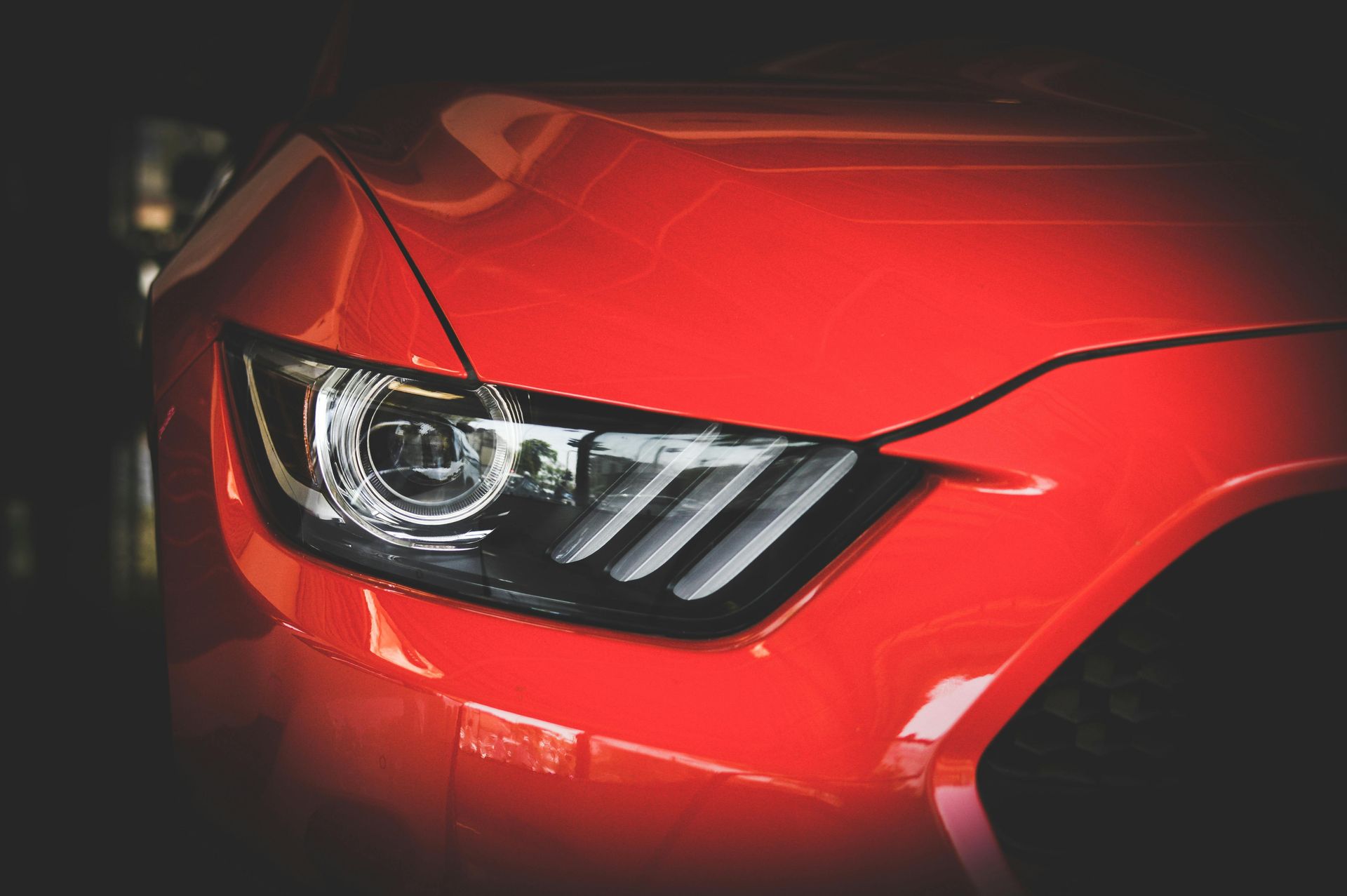
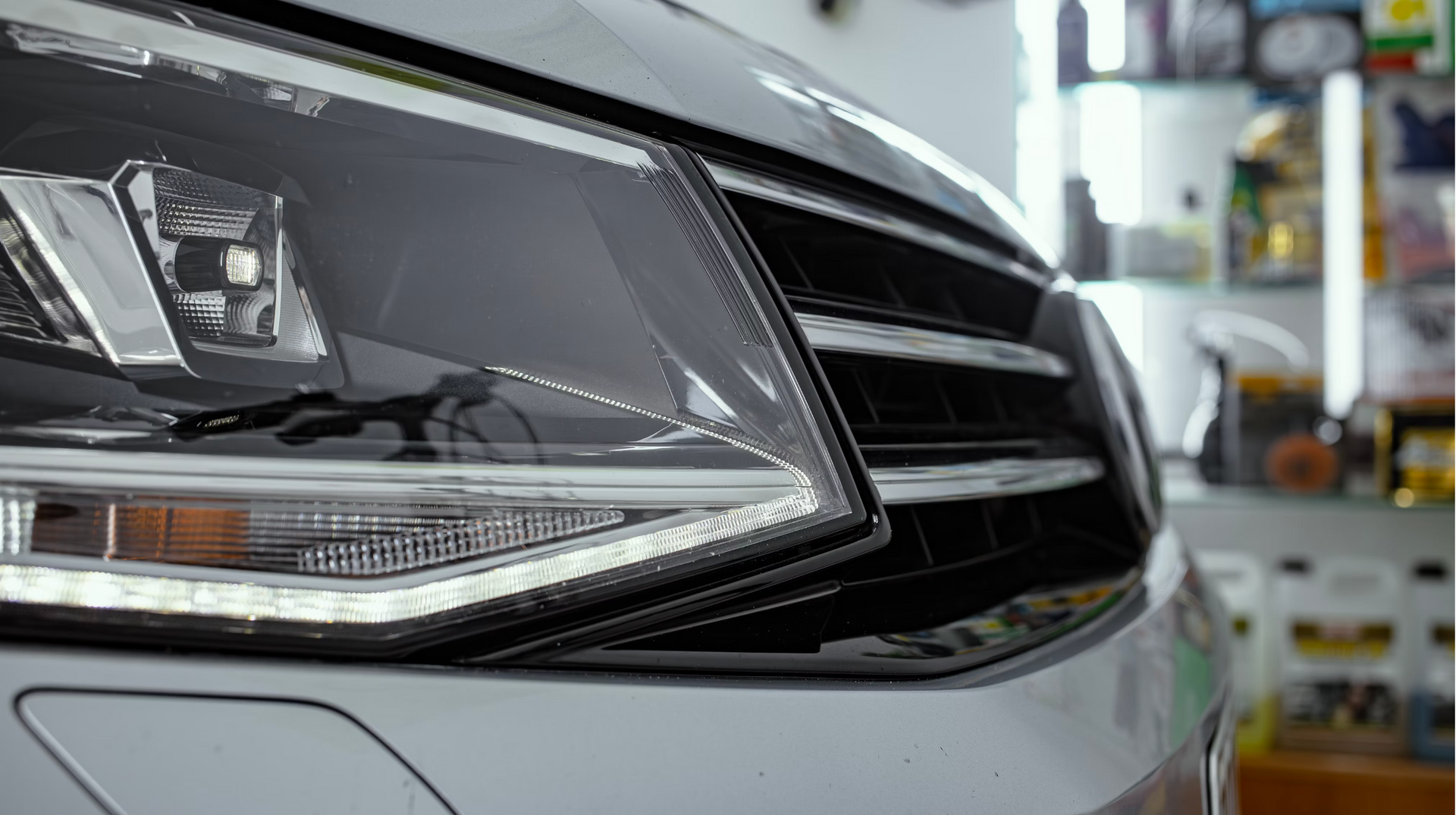
LEDs produce light through semiconductor devices. Designers can arrange several emitters to create compact, precisely shaped lighting systems. The assemblies may include dedicated drivers, heat-management components, and separate functions for the low beam, high beam, running lights, and turn signals.
An LED light source may last a long time, but its electronics, seals, and cooling arrangements still need to work properly. Some components can be serviced separately, while other failures require an assembly. A lamp that has stopped working therefore needs its exact design checked before selecting a replacement.
Adaptive Headlights Change Where Light Is Directed
Some adaptive systems adjust lighting based on steering, speed, or other vehicle information. Automatic high beams use sensed conditions to switch between beam settings. More advanced systems can control groups of LEDs to reshape illumination. Features and operating behavior depend on the vehicle, equipment package, and market.
These terms describe different capabilities:
- Cornering or adaptive lighting can change illumination around a turn.
- Automatic high beams switch beam settings when conditions allow.
- Selective beam systems can manage individual portions of the light pattern.
Read the owner's manual for the functions actually fitted to your car and how to override them when needed.
Smart Headlights Still Need Correct Aim And Clear Lenses
Advanced electronics don't compensate for a lamp pointing in the wrong direction. A damaged mounting point, incorrect installation, or a suspension height change can affect aim. Depending on the design and repair, the vehicle may need specific adjustment, programming, or calibration to restore the intended lighting behavior.
Dirty or deteriorated lenses also reduce useful visibility. Clean them using the manufacturer's instructions, and have cracks or recurring moisture checked. Some light condensation can occur in vented lamps, but persistent water accumulation or changing performance deserves inspection. The housing condition also affects reliable headlight operation.
Headlight Upgrades Need To Match The Vehicle
Fitting a different light source into a housing designed for halogen bulbs doesn't automatically improve the road beam. Changing the source position can scatter light and increase glare, even when the bulb looks brighter. Compatibility includes the optics, electrical system, and applicable requirements for the complete lamp.
Start by identifying your car's lighting system and what's changed. Correct bulbs, sound wiring, or proper aim may restore a weak beam. If automatic lighting is unreliable or there's a warning message, the controls need checking too. Replacing a bulb alone won't address every fault in that system.
Get Headlight Service In Campbell, CA
Autotrend Auto Repair in Campbell, CA, can inspect dim headlights, lighting warnings, flickering lamps, and problems with automatic lighting features. We can identify your vehicle's equipment and explain whether it needs a bulb, electrical repair, adjustment, or another service to restore the intended operation.
Contact us to schedule a headlight inspection and discuss the lighting changes you have noticed.