
Car Handling Problems: Why Your Vehicle May Pull or Ride Rough in Campbell
How to Prepare Your Car for a Holiday Road Trip: Expert Checklist for Toyotas, Hondas, and Domestic Vehicles
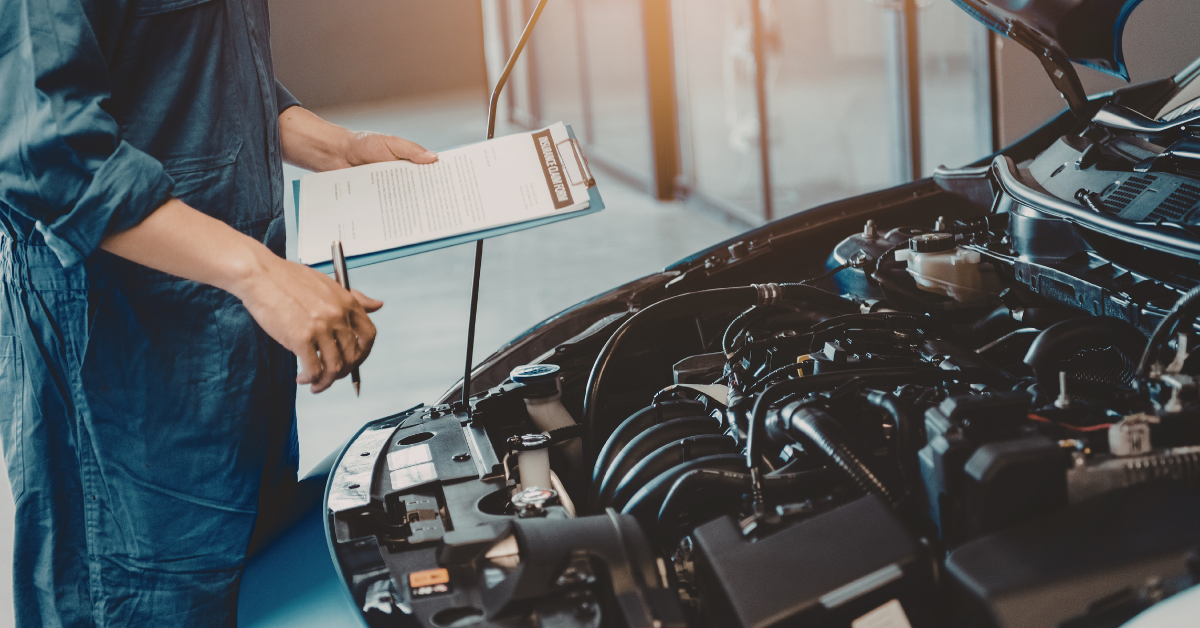
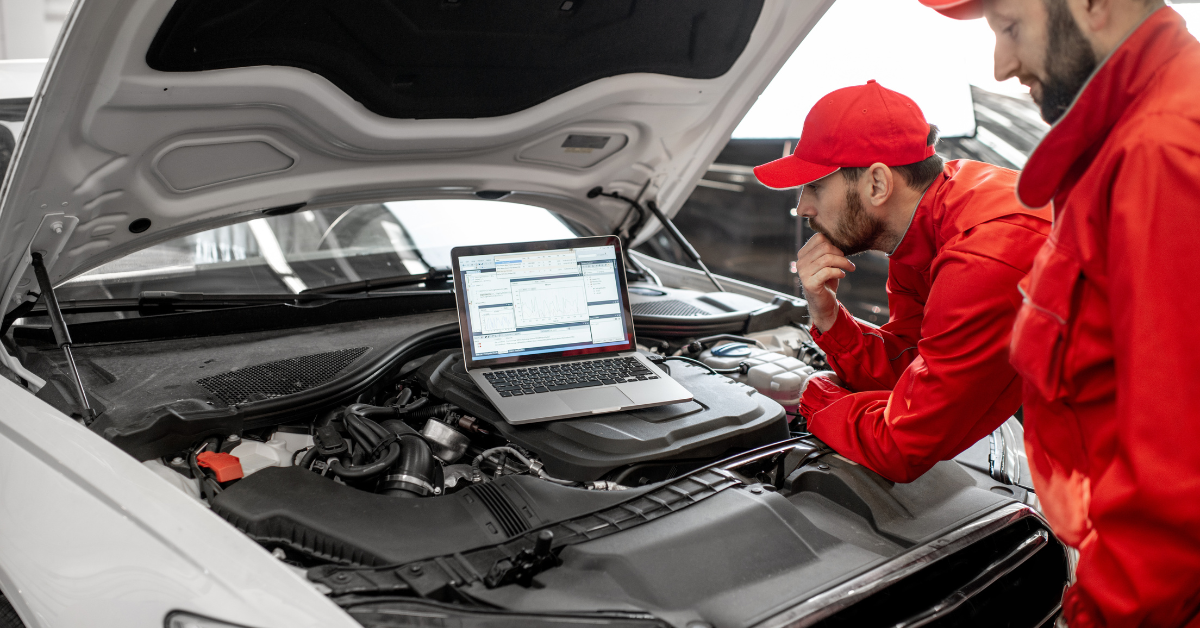
You are getting ready to leave Campbell for a holiday visit when you remember something: the car has been starting a little slower, or the steering wheel sometimes vibrates on the freeway. It handles your daily commute, but will it be ready for a longer drive with passengers and luggage? That is the question a useful holiday road trip checklist should help answer. Start with a pre-trip inspection, investigate unfamiliar symptoms, and review maintenance against your vehicle’s actual requirements. Then decide what needs attention before departure.
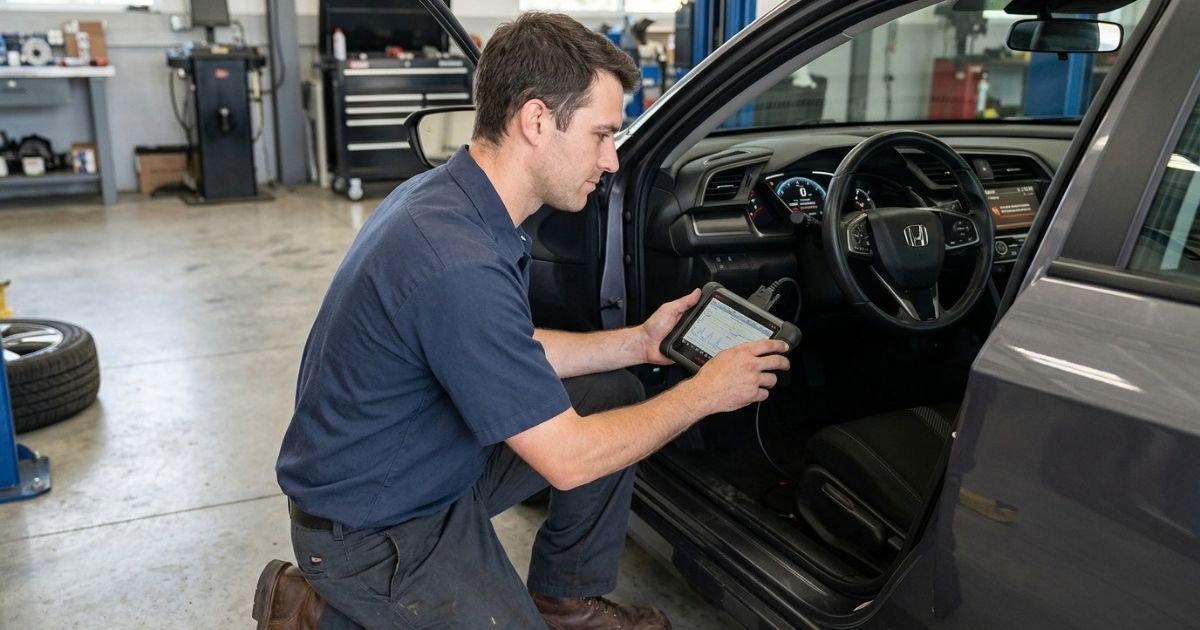
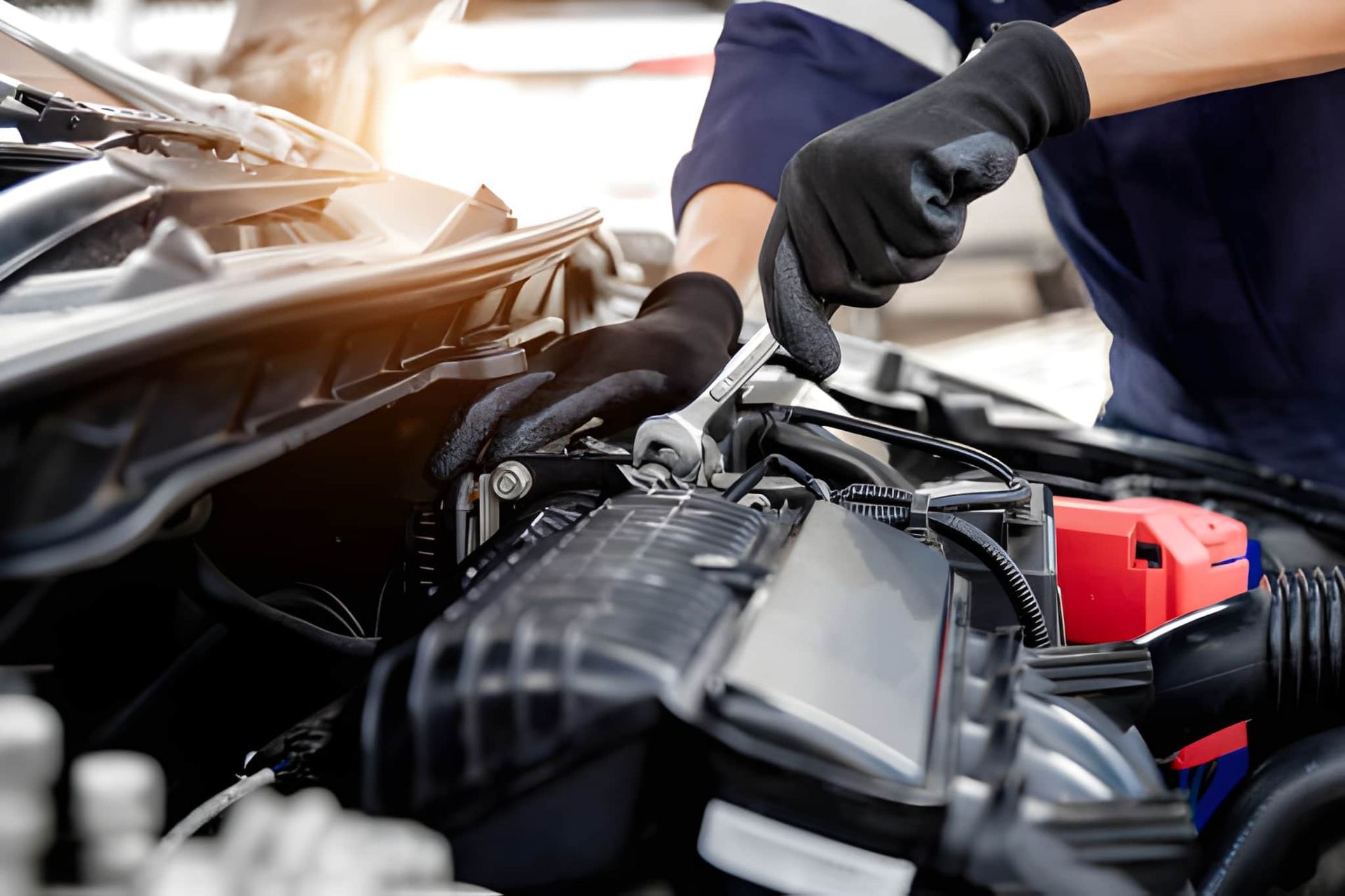
At Autotrend Auto Repair, we have served Campbell and San Jose drivers since 1989. We work on all makes and models, helping owners understand maintenance needs and repair concerns through careful inspection and diagnostic testing. Whether you drive a Toyota, Honda, Chevrolet, Ford, or another vehicle, preparation should begin with its condition, not assumptions about its reputation.
Begin With Your Driving Plans
Your route helps determine what deserves closer attention. A drive across the Bay Area is different from a mountain trip, a long desert crossing, or towing a trailer. Tell your service advisor about the distance, expected weather, passenger load, and any towing. Mention changes in starting, braking, shifting, or handling, even if they happen only occasionally.
Schedule your pre-trip inspection several days or more before departure when possible. That leaves time for diagnosis, parts, repairs, and follow-up checks. Waiting until the evening before you leave can limit your options.
Review Your Maintenance Records
Check what has already been serviced before approving a new maintenance package. Toyota maintenance, Honda maintenance, and domestic vehicle service requirements vary by model, year, engine, and driving conditions. Some items become due by mileage, while others have time-based requirements. A low-mileage vehicle may still need attention if maintenance has been delayed.
Bring available records and compare them with the manufacturer’s schedule. If your vehicle uses a timing belt, confirm its replacement requirements and service history. Road trip car maintenance should address what is due and what inspection reveals. It should not mean automatically replacing fluids or parts that were recently serviced.
Check Tires Before Loading Up
Inspect tire pressure, tread, and visible condition before packing the car. Check pressures when the tires are cold, following the door-jamb label or owner’s manual. Look for uneven wear, cuts, bulges, or a tire that repeatedly loses air. A pressure warning that returns after inflation needs investigation.
A freeway vibration could involve tire damage, wheel balance, or another condition. Pulling may involve pressure differences, alignment, brakes, or suspension wear. Testing helps identify the cause. Check the spare tire if your vehicle has one. If it uses an inflator kit instead, confirm the equipment is present and usable. Staying within the vehicle’s load limits matters, too.
Pay Attention to Brake Changes
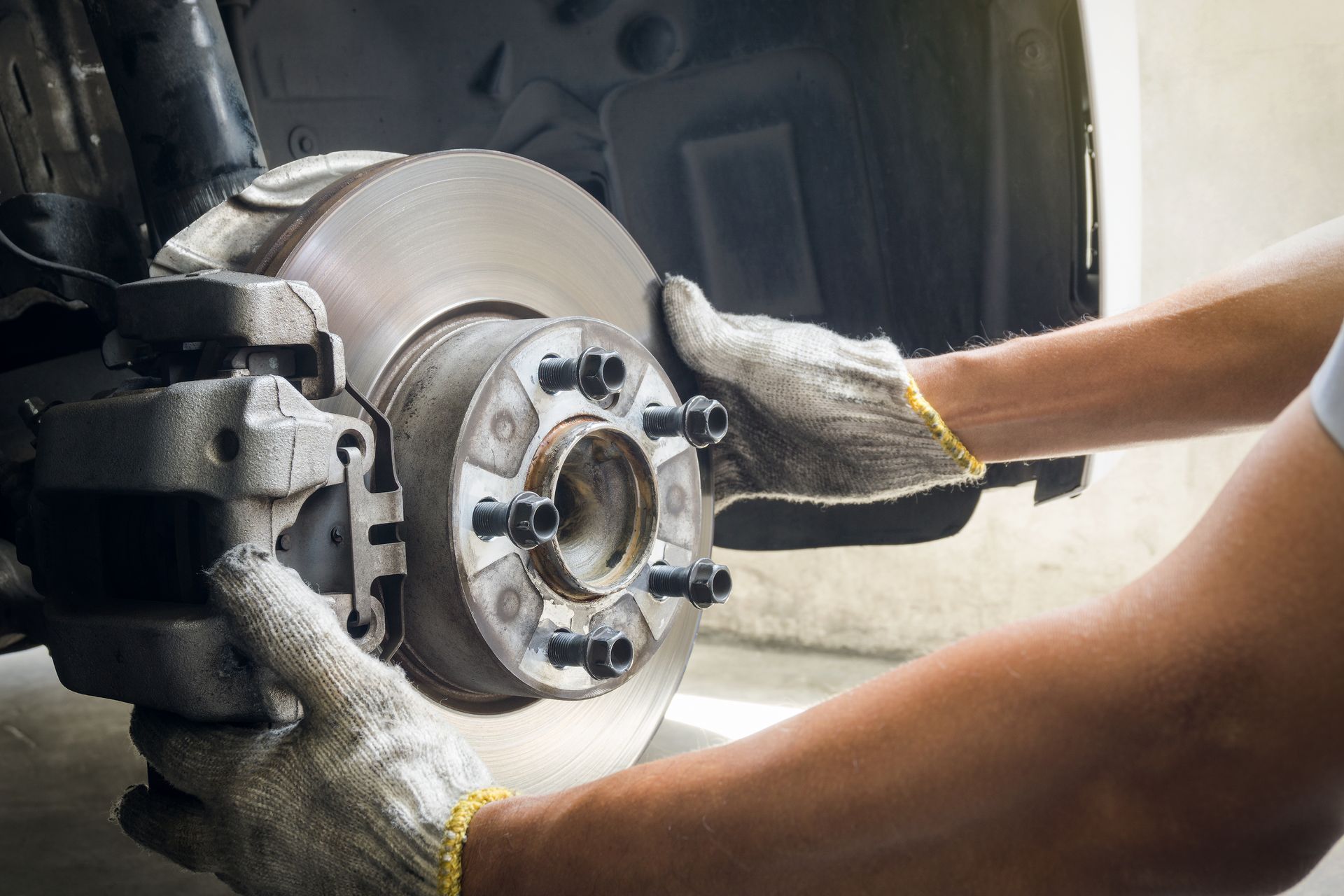
Squealing, grinding, vibration during braking, or a change in pedal feel should be evaluated before a long drive. A soft pedal or noticeably reduced braking deserves prompt attention. A noise alone does not establish which part needs replacement. Pads, rotors, calipers, and the hydraulic system may require examination.
Our brake service and diagnostics include inspection of these components and brake fluid. The findings help determine the appropriate repair. Ignoring wear can lead to additional damage. More importantly, an unresolved braking concern can affect stopping performance. If braking is significantly compromised, arrange assistance rather than driving the vehicle to an appointment.
Inspect Fluids and Cooling
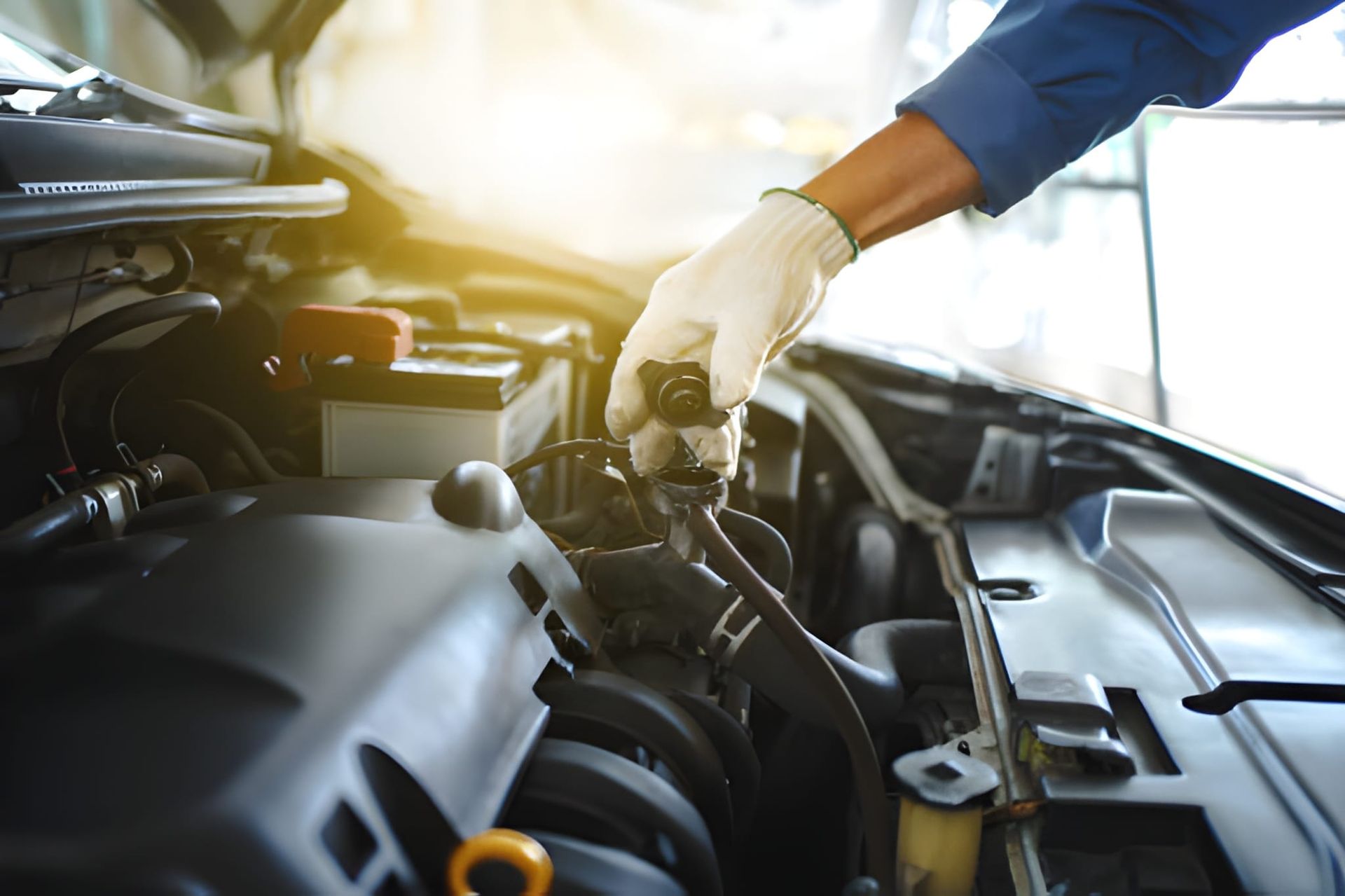
Check fluid levels using the procedures in your owner’s manual. Investigate repeated fluid loss instead of treating every top-up as routine. A coolant leak, damaged hose, thermostat problem, or cooling fan fault can affect temperature control. A short commute may not reveal the same problem that appears during a long climb or extended traffic delay.
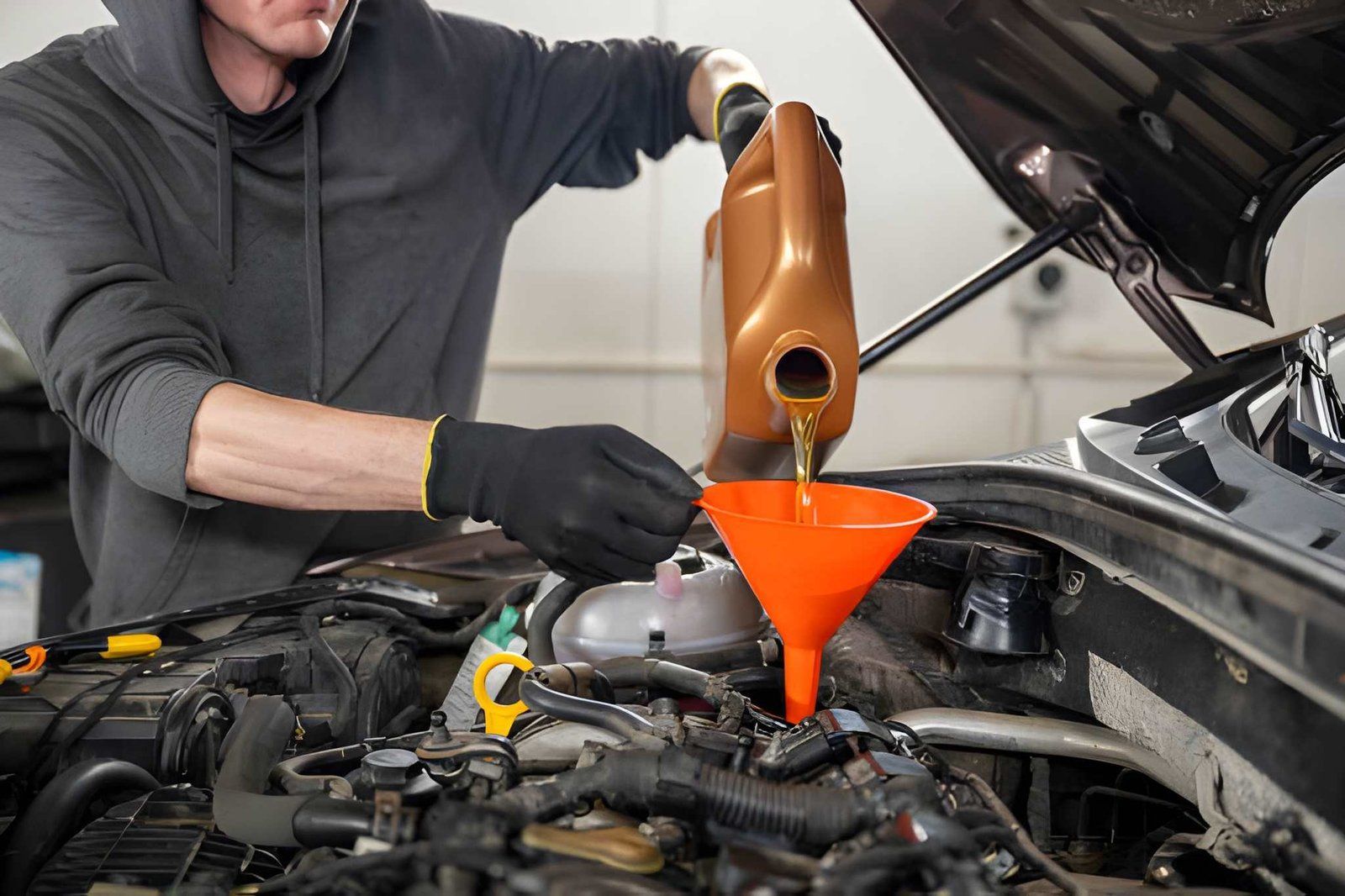
Never open a hot cooling system cap. If the engine overheats during travel, stop safely, shut it off, and arrange assistance. Use the correct fluid specifications for your vehicle. Toyota, Honda, and domestic models do not all use interchangeable coolant, transmission fluid, or engine oil. The right product and service procedure matter as much as the level.
Test Starting and Charging Concerns
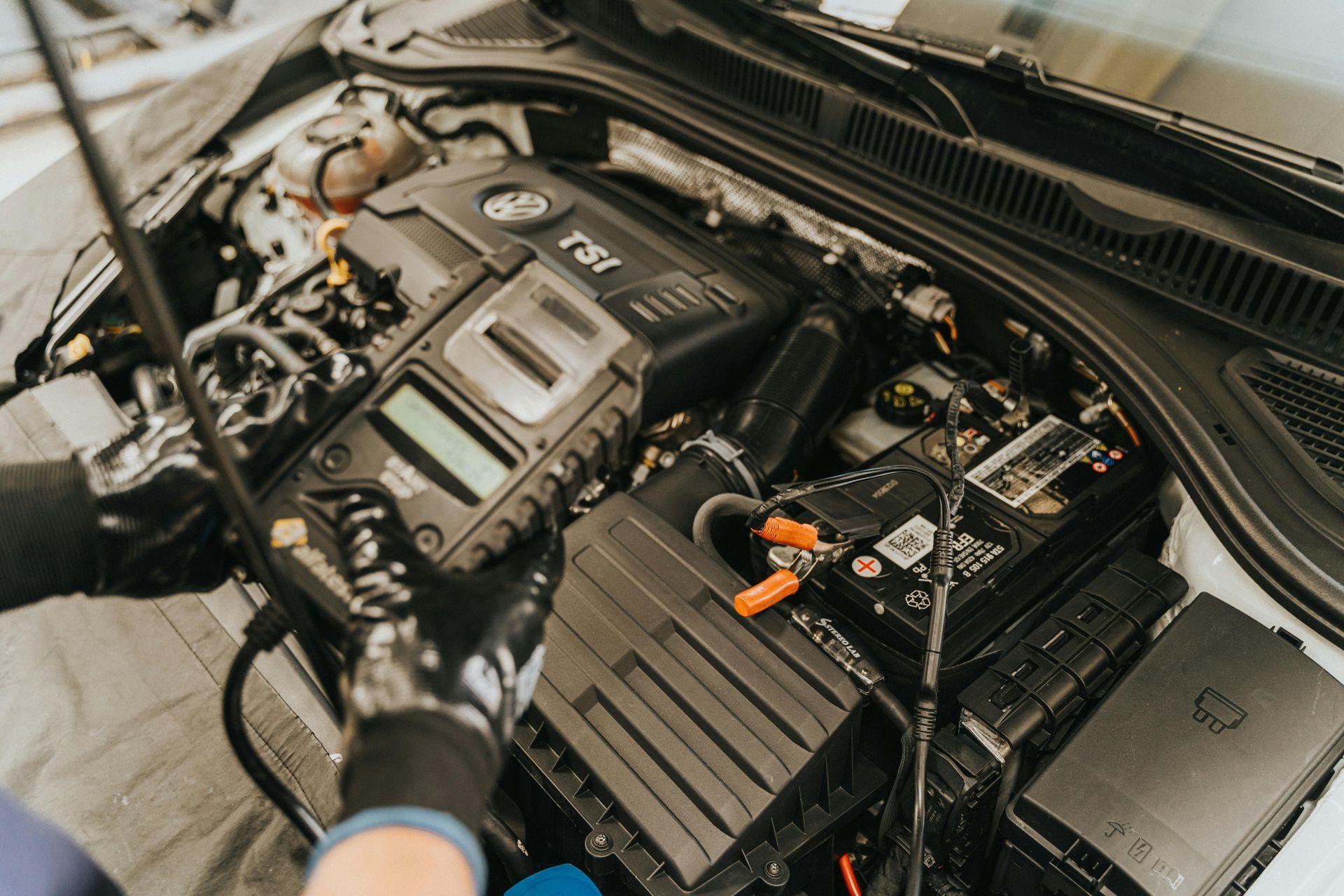
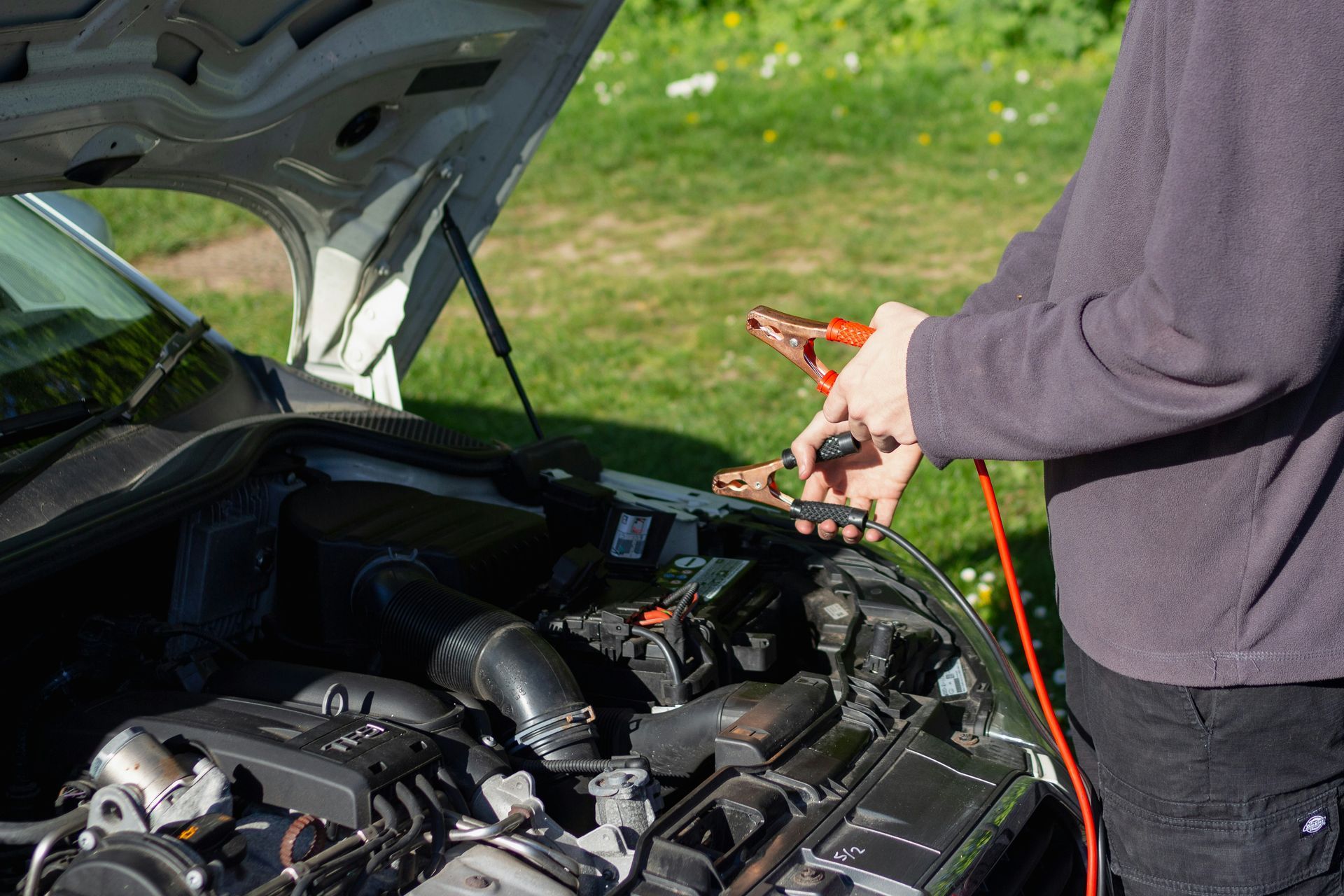
Slow cranking, repeated jump-starts, or a battery warning should be checked before departure. Cold-weather destinations make dependable starting especially important. The battery may be weak, but loose connections, a charging problem, or an electrical drain can cause similar symptoms. Replacing the battery without testing may leave the underlying issue unresolved.
A useful holiday road trip checklist includes evaluating the battery alongside the starting and charging systems when symptoms call for it. Mention whether the problem occurs after the car sits overnight or after several days without use. Those details help guide testing and distinguish an occasional slow start from a developing reliability concern.
Diagnose Warning Lights and Shifting
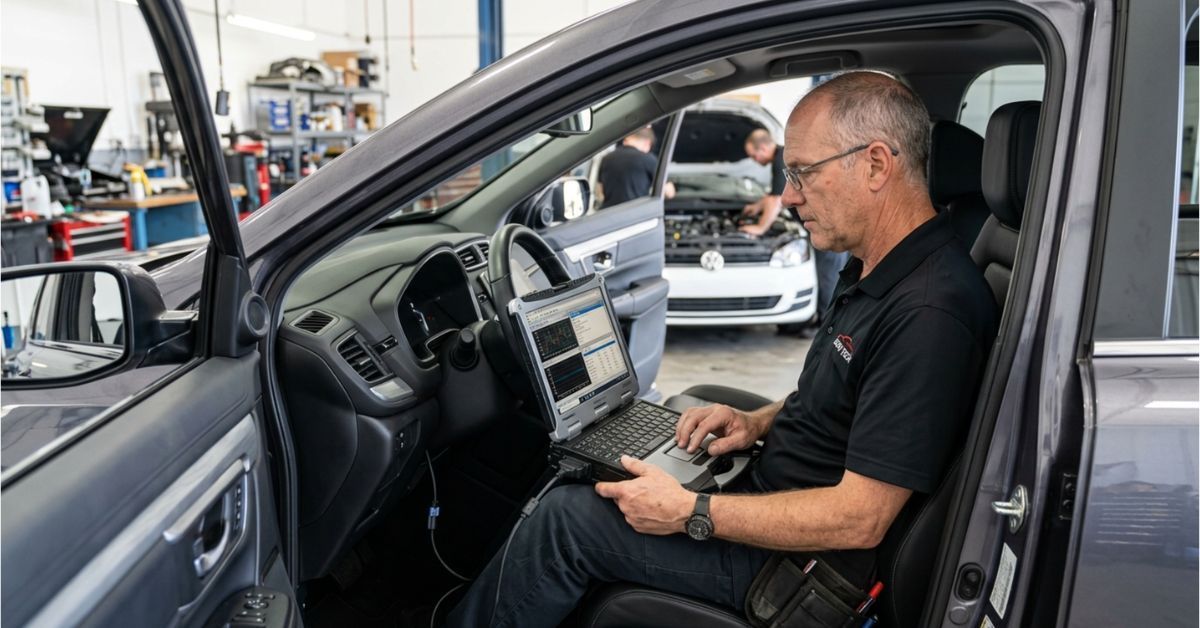
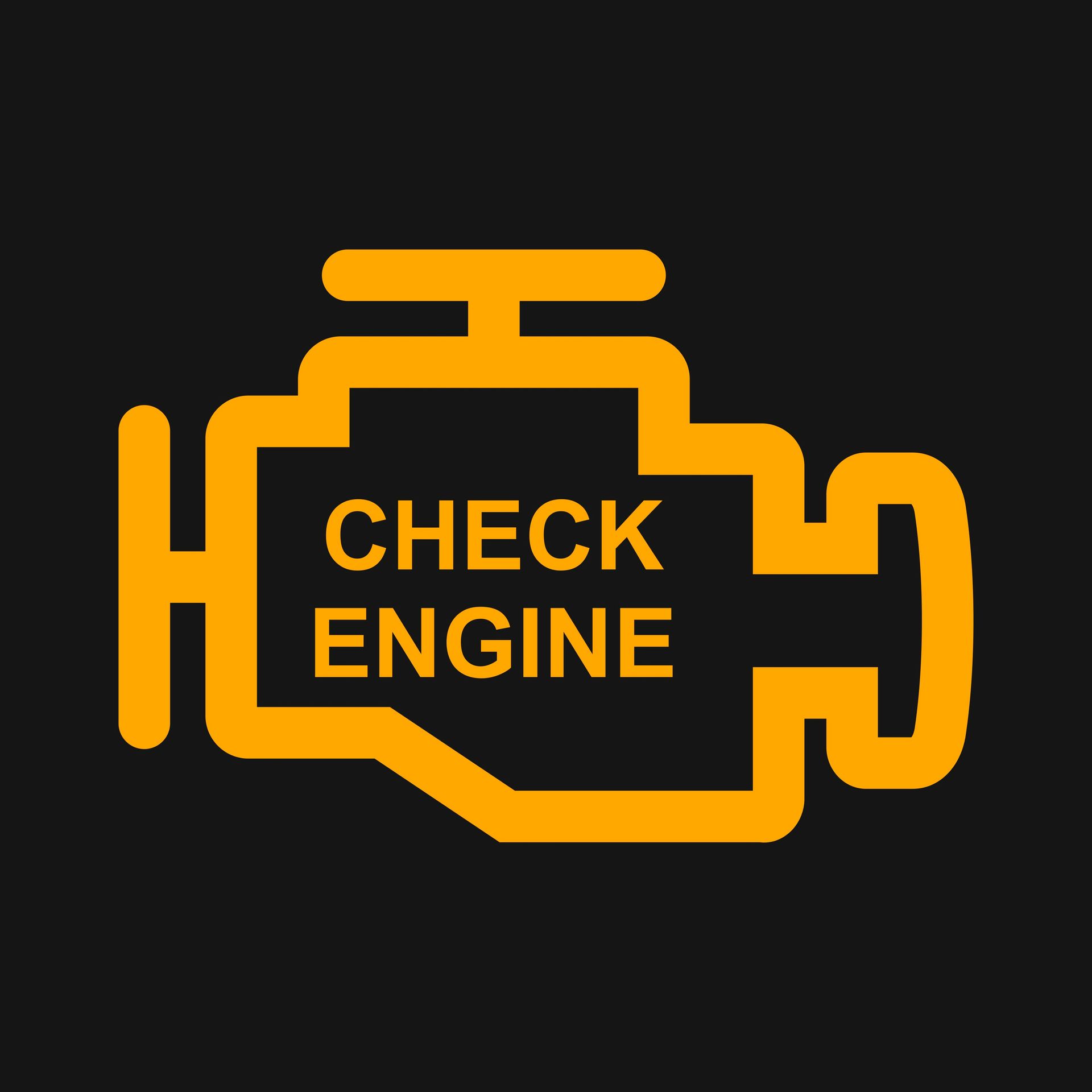
Do not erase a warning light simply to see whether it returns during the trip. Stored information can help a technician investigate the cause. Our check engine light diagnostics use fault codes as a starting point for further diagnosis. A code does not, by itself, prove that a particular component has failed.
Delayed shifting, slipping, shaking, or reduced power also need evaluation. Possible causes can overlap, so a fluid service should not be treated as a guaranteed repair. A flashing check engine light with rough running warrants stopping safely and seeking assistance. Oil pressure and temperature warnings also require prompt action according to the owner’s manual.
Check Visibility and Cabin Controls
Test headlights, brake lights, turn signals, wipers, and windshield washers. Holiday travel may involve darkness, rain, or weather different from what you encounter around Campbell. Replace wipers that leave visibility-limiting streaks. Check that the windshield defroster works before heading somewhere colder.
Heating and air conditioning concerns deserve context. Weak airflow could involve a filter, blower, or control problem. Poor cooling has several possible causes and should be diagnosed before assuming the system only needs refrigerant. Clean the windows and mirrors, and pack charging cables, needed medications, drinking water, and suitable roadside supplies. Choose additional equipment around your route and expected conditions.
Understand the Vehicle Health Report
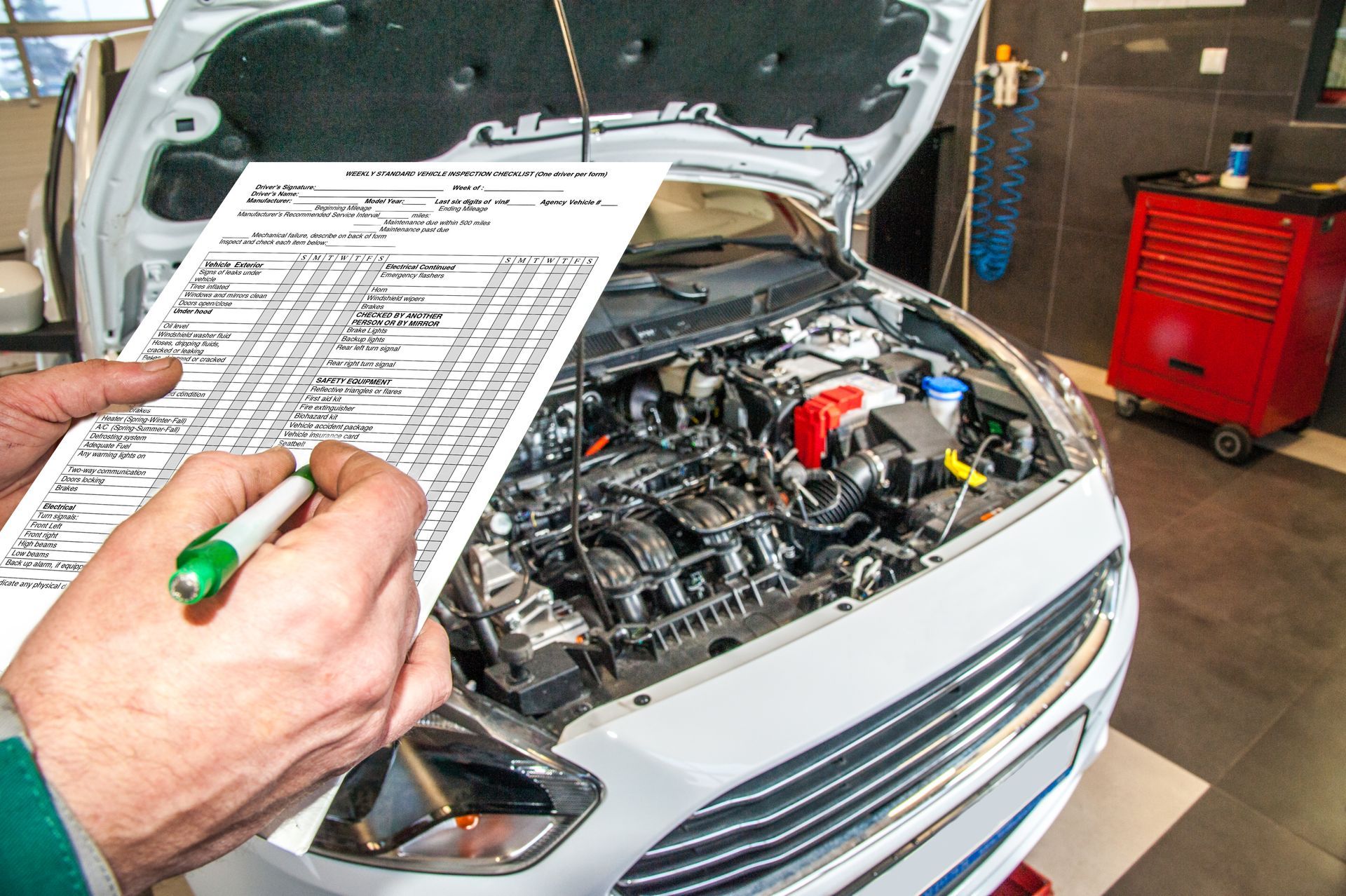
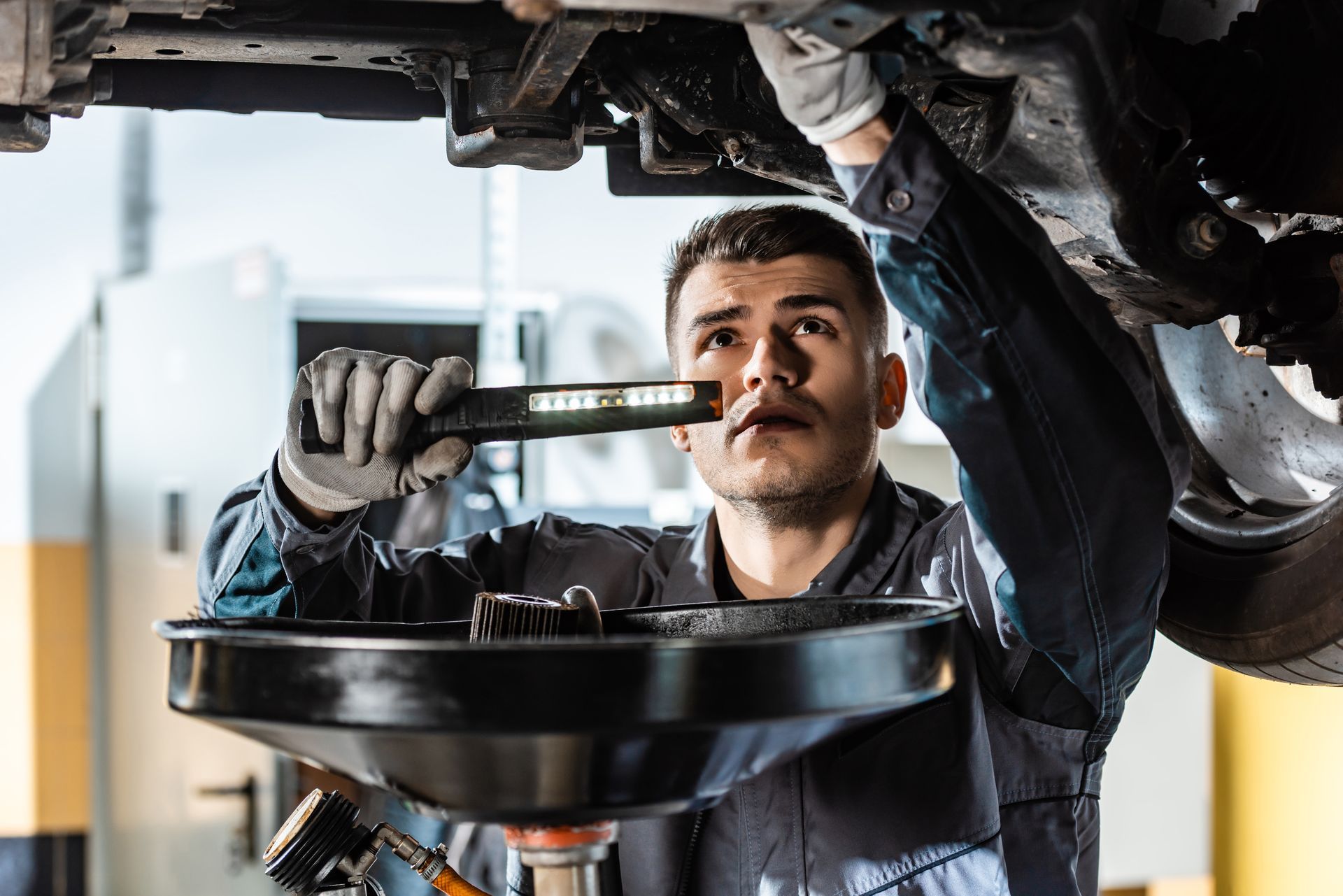
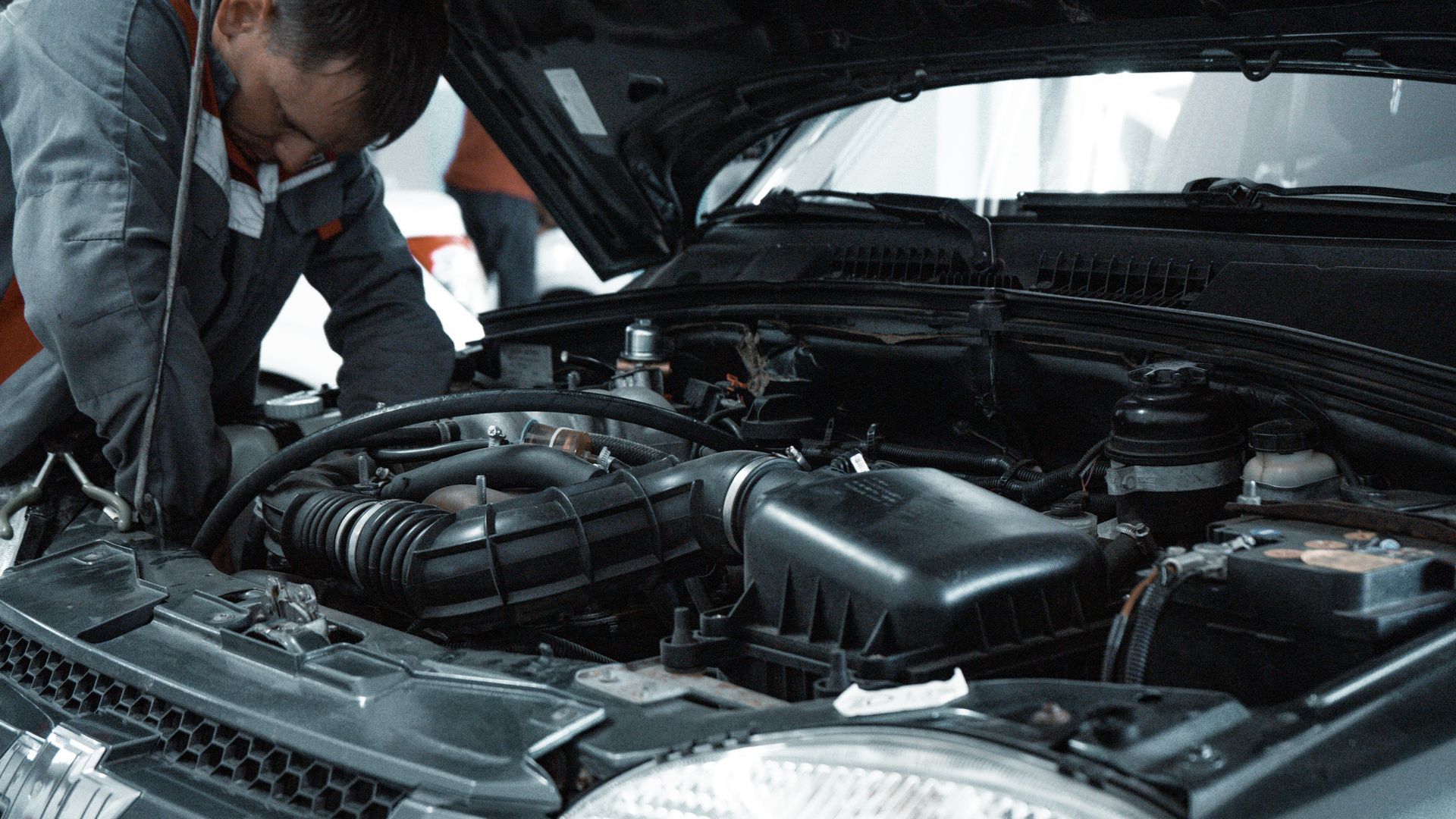
Use the full vehicle health report to turn inspection findings into decisions. Ask what was checked, what needs attention before departure, and what can reasonably be planned for later. An inspection may identify visible wear or a leak. Additional diagnostic testing may still be necessary to explain an intermittent vibration or warning light.
Discuss your findings alongside Autotrend’s auto repair services. Cosmetic concerns can often wait, while problems affecting braking, handling, cooling, or dependable operation need closer consideration. No inspection guarantees a trouble-free trip. Its value is helping you understand the vehicle’s condition and reduce avoidable uncertainty before leaving home.
Frequently Asked Questions
When Should I Arrange a Pre-Trip Inspection?
Book several days or more before leaving when possible. Allow extra time if your car has symptoms, overdue maintenance, or an unclear service history. Repairs and follow-up testing may require more than one visit.
Do Toyotas and Hondas Need Holiday Inspections?
Yes. Every vehicle develops wear and maintenance needs, regardless of its reputation for reliability. Inspection should reflect its age, condition, service history, and the demands of your upcoming journey.
Is an Oil Change Enough Before a Road Trip?
An oil change addresses one maintenance item. It does not establish the condition of tires, brakes, cooling, or electrical systems. Review the complete holiday road trip checklist alongside any symptoms you have noticed.
Can I Travel With a Steady Check Engine Light?
Have the cause diagnosed before deciding. A steady light can represent conditions with different levels of urgency. Normal driving behavior alone does not confirm that the vehicle is suitable for a long trip.
Should Every Inspection Finding Be Repaired Immediately?
No. Ask which findings affect safety or reliability, which services are due, and which concerns can be monitored. Your travel plans and the evidence from inspection should guide priorities.
What Should a Full Vehicle Health Report Explain?
It should make the inspection findings understandable, identify recommended next steps, and clarify where further testing is needed. Ask questions until you understand what each recommendation addresses and how it affects your trip.
Make Room for Peace of Mind
Before the bags go in the trunk, let us help you understand your car’s condition. Bring your questions, maintenance records, and any symptoms you have noticed.
Our Campbell team can explain the findings and help you prioritize the next steps.
Give yourself time to prepare, so the journey begins with a clear plan.